Best Time to Visit Peru and Machu Picchu, Month by Month (2026)
Peru is not one climate, it is three. The Andes run on a dry-wet cycle that decides trekking conditions, the Amazon barely changes month to month, and the coastal desert around Lima and Huacachina stays dry nearly year-round with its own separate quirk: fog.
Booking choice: Combine Expedition rail, buses and a guided Machu Picchu visit in one day. Explore Machu Picchu by Expedition train
Affiliate links: we may earn a commission when you book.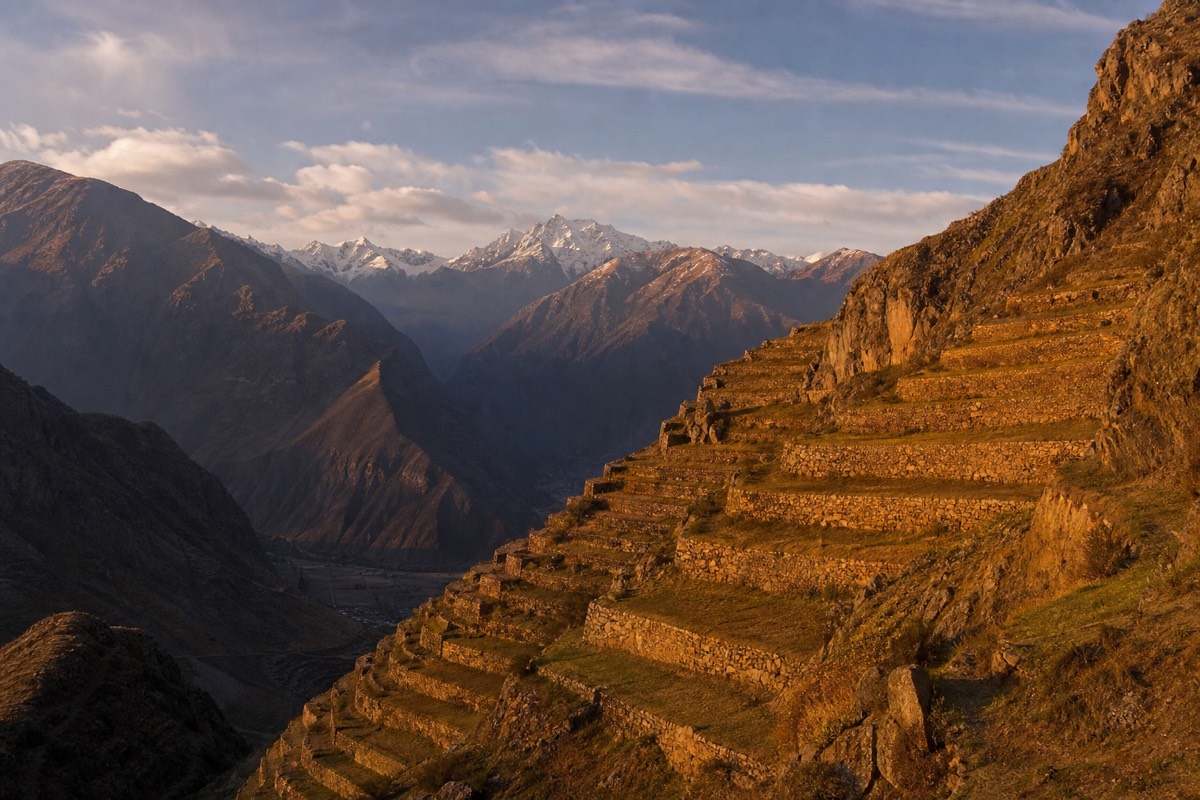
Andes weather and crowds, month by month
Based on the Andean dry-season pattern (roughly May to September) and the standard Southern Hemisphere school-holiday and Fiestas Patrias travel bump around late July. Bands are relative, not measured averages.
The quick answer
May through September is the dry season across the Andes and the best window for trekking the Inca Trail, Salkantay or Rainbow Mountain, with the clearest skies over Machu Picchu. But Peru has three distinct climate zones. The Amazon runs on its own wet-dry rhythm that rarely blocks a visit, and the coastal desert around Lima and Huacachina stays dry almost year-round, so the honest answer depends on which part of the country you are actually going to see.
Whatever month you land, the practical planning still comes down to the same question underneath it: what does this specific window of weather mean for the specific tours on a guided Peru itinerary you're actually booking, not just the calendar in the abstract.
When is the best time to visit the Andes and Machu Picchu?
The Andean highlands, including Cusco, the Sacred Valley and Machu Picchu, split cleanly into a dry season (roughly May to September) and a wet season (roughly November to March), with April and October acting as transition months. Dry season means blue skies, cold nights, and trails that are not slick with mud, which is why it is also when the region fills up. Wet season means afternoon showers are common but mornings are frequently clear, hotel prices drop, and the ruins themselves are quieter. Neither season is a bad time to see Machu Picchu itself, since the citadel sits under cover of open sky either way and rain rarely lasts the whole day. The difference matters most if your itinerary includes multi-day trekking, where trail conditions and river crossings genuinely change with the season.
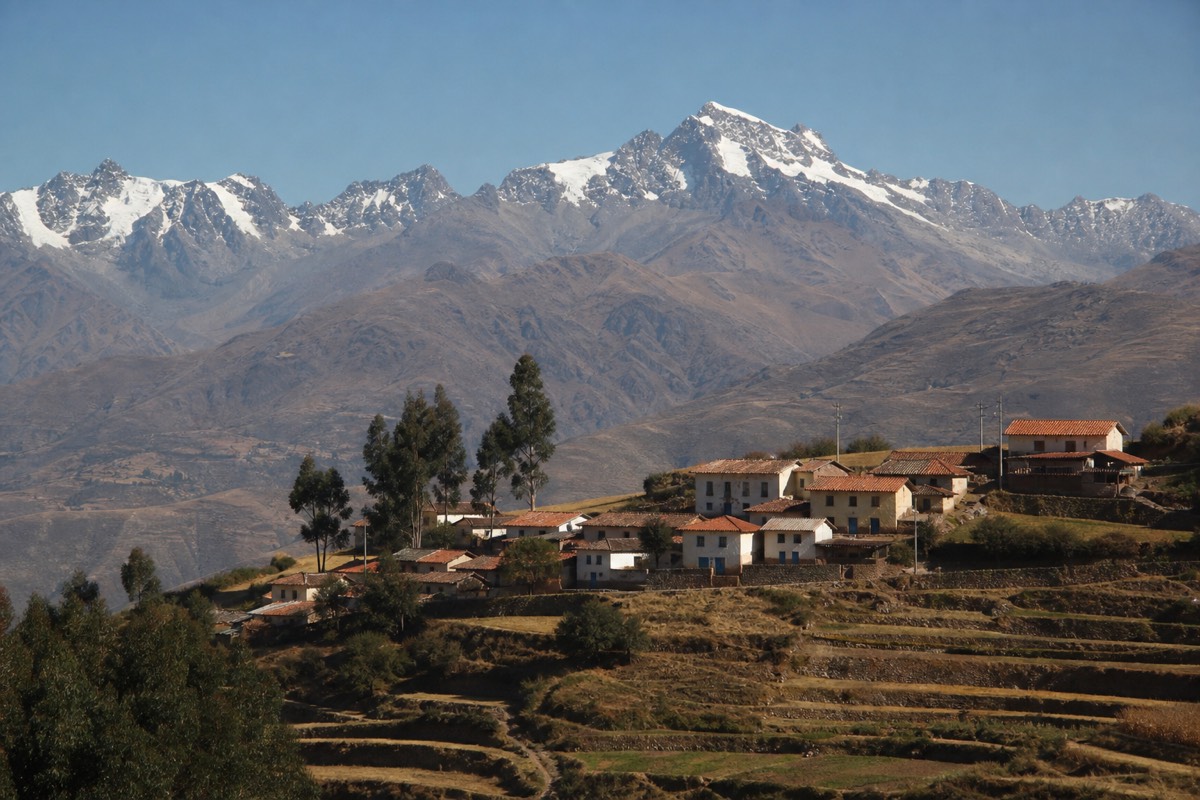
Beyond the month-by-month table, it helps to picture what a specific day actually feels like in each season, since a chart of rainfall bands doesn't capture the lived experience. A dry-season July morning in Cusco starts near freezing before climbing into strong, thin-air sunshine by midday, then cooling fast again once the sun drops, a swing covered in more practical detail in Peru's real dress code. A wet-season January day tends to start clear, cloud over by early afternoon, deliver a shower for an hour or two, then often clear again toward evening. That pattern catches travelers off guard who picture an all-day downpour and either overpack rain gear or, worse, skip it entirely and get caught out on an afternoon walk.
| Month | Rainfall | Crowd level | What to expect |
|---|---|---|---|
| January | High | Moderate | Wet season in full swing; a short holiday-travel bump fades by mid-month. |
| February | Peak | Low | The wettest month, and the only month the classic Inca Trail permits are unavailable, since the trail closes for maintenance. |
| March | High | Low | Rain begins tapering late in the month; still a quiet, budget-friendly stretch. |
| April | Moderate | Moderate | Shoulder season begins. Trails are drying out and the landscape is still green from the rains. |
| May | Low | Moderate-high | Dry season starts in earnest. Widely considered one of the best all-round months. |
| June | Low | High | Cold, clear and dry, with Inti Raymi (the Inca sun festival) drawing extra visitors to Cusco. |
| July | Low | Peak | Peak season, compounded by Peru's Independence Day (Fiestas Patrias) around July 28 driving domestic travel. |
| August | Low | Peak | The driest, windiest month and typically the busiest for permits and trains. |
| September | Low | High | Still dry, still busy, but slightly easier to book than July-August. |
| October | Moderate | Moderate-high | The second shoulder-season window. Good weather odds with noticeably better availability. |
| November | Moderate-high | Moderate | Rain returns gradually. Crowds thin out meaningfully after the first week. |
| December | High | Moderate | Wet season begins, with a short crowd bump around Christmas and New Year. |
Does the Amazon follow the same seasonal rules?
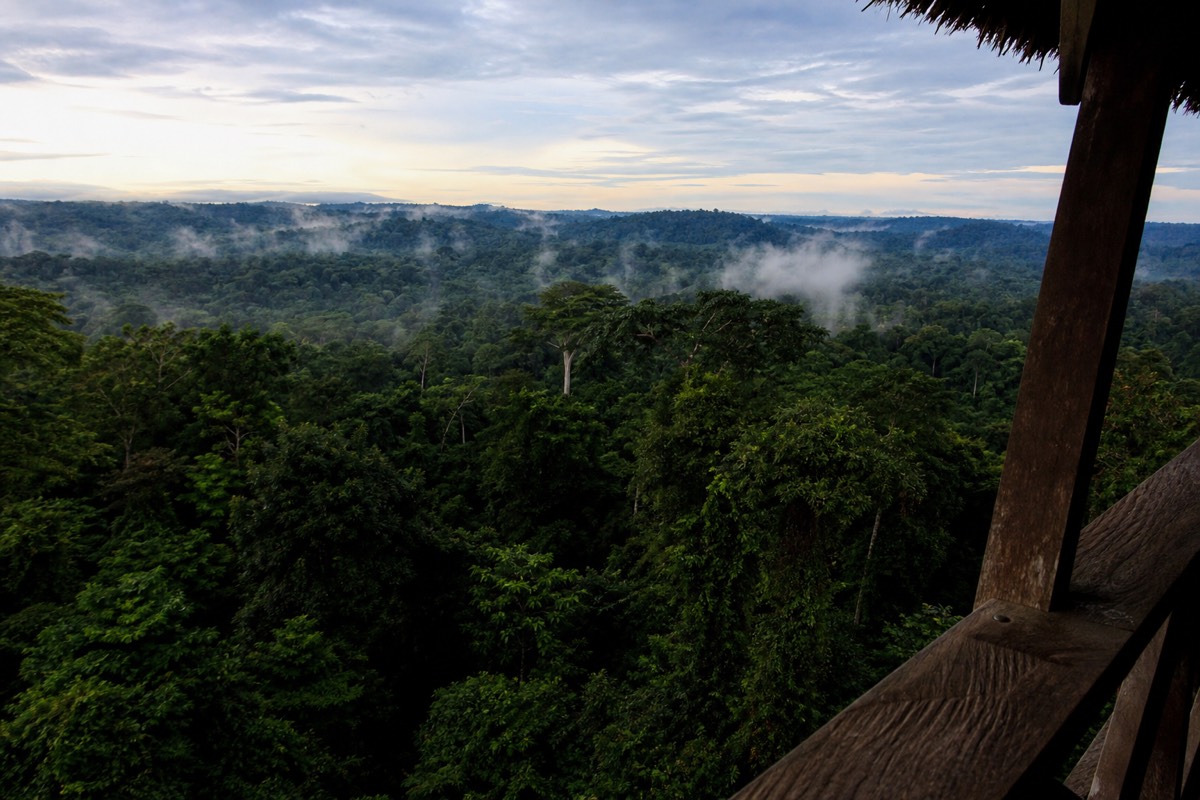
No. The Peruvian Amazon has a high-water season (roughly December to May) and a low-water season (roughly June to November), but unlike Andean trekking, neither season closes anything down. High water floods the forest floor, so boats reach further into the flooded forest (várzea) and canopy-level wildlife comes into easier view from the water. Low water exposes riverbanks and sandbars, which is when caiman spotting, piranha fishing and beach walks tend to be easiest, and trails through the standing forest are more walkable. Rain itself is possible almost any month in the Amazon, since it is rainforest by definition, so a poncho matters more than a specific month when you are packing for a 2-day Amazon tour from Iquitos or a longer eco-lodge stay.
| Season | Roughly when | Water level | Best for |
|---|---|---|---|
| High water | December-May | Rivers flood into the forest | Boat access deeper into flooded forest, easier views of canopy wildlife and river dolphins |
| Low water | June-November | Rivers recede, beaches emerge | Walking trails, caiman spotting, piranha fishing, exposed sandbars |
Because neither Amazon season blocks tours outright, the choice mostly comes down to what kind of experience you want more. High water rewards travelers who want maximum boat access and dramatic flooded-forest scenery, exactly the terrain covered in choosing between Iquitos and Puerto Maldonado. Low water rewards travelers who want to actually walk trails and stand on exposed riverbanks rather than viewing everything from a boat. Neither season is meaningfully hotter or cooler than the other in a way that changes packing much; humidity and rain gear matter in both, and a poncho earns its space in the bag regardless of which month you land in Iquitos.
What about Lima and the coastal desert around Huacachina?
Peru's coast is a desert, and it stays dry almost the entire year, but Lima has a local quirk: a thick coastal fog called garua that settles in during the Southern Hemisphere winter, roughly May through October. That fog keeps Lima gray and cool for months at a stretch even though it almost never rains. Huacachina and Ica, further south and inland from the coastal fog belt, stay sunnier and drier through the same period, which is one reason a sandboarding and dune buggy tour reads as a "sunny desert escape" even during Lima's grayest months. December through April brings Lima's own summer: warmer, clearer, and busier with beach-going locals.
Travelers combining Lima with a desert stop further south, or weighing whether Huacachina is worth visiting, often notice this contrast firsthand: flying or driving out of a gray, fog-bound Lima morning into full desert sun near Ica within a couple of hours is a genuinely strange experience the first time you do it. It's also a useful reminder for anyone assuming "the coast" behaves as one single climate along its whole length, when in practice a local fog belt near the capital can mask how sunny the rest of the desert coastline actually stays.
This coast-to-Andes seasonal split is also exactly the route Peru Hop's bus pass runs, from Lima through Paracas, Huacachina and Nazca before climbing to Arequipa, Puno and Cusco. Traveling it overland means passing through both climate zones in the same multi-day trip rather than choosing one, though a few legs, Nazca to Arequipa in particular, are long, and some later stretches run into the evening or overnight regardless of season.
One route through both climates The desert coast and the Andes have opposite seasonal patterns, and Peru Hop's pass crosses both on the same overland trip, with hotel pickup and a bilingual host at every stop from Lima to Cusco. It's a genuine way to build the coast-to-mountains contrast into your itinerary rather than flying past it.
| Region | Dec-Apr (summer) | May-Oct (winter/garua) |
|---|---|---|
| Lima | Warm, sunny, humid; Lima's high season | Overcast coastal fog (garua), cool and gray but almost no rain |
| Huacachina / Ica | Hot, strong sun, dry | Milder but still mostly sunny and dry, since the fog belt sits closer to Lima |
Is shoulder season worth planning around?
April and October are the two windows that consistently deliver good Andean weather without the July-August crush, and they are worth building a trip around if your dates are flexible. Both months sit just outside the core dry season, so the odds of rain are somewhat higher than in June or August, but nowhere near the wet-season peak of January-March. What you get in exchange is real: shorter queues at Machu Picchu's checkpoints, easier Inca Trail permit availability (see how the Inca Trail permit allocation works for exact lead times), and generally softer hotel and train pricing in Cusco and Aguas Calientes.
| Factor | Peak season (Jun-Aug) | Shoulder season (Apr & Oct) |
|---|---|---|
| Weather reliability | Highest | Good, with occasional showers |
| Permit & train availability | Books out months ahead | Meaningfully easier |
| Crowds at major sites | Heaviest of the year | Noticeably lighter |
| Pricing | Highest for hotels and trains | Softer, especially outside July 28 |
Shoulder season suits a specific kind of traveler well: someone whose itinerary has a little slack built in, who isn't chasing one single narrow guarantee like a fixed summit-day schedule, and who values availability and pricing over squeezing out the last percentage point of weather certainty. It's a poorer fit for a traveler with exactly one day allotted for something like the guided 4-day Inca Trail summit push and no buffer if a rare shower rolls through partway. For everyone else, April and October are consistently the two most underrated months on the calendar.
What specific dates should you plan around?
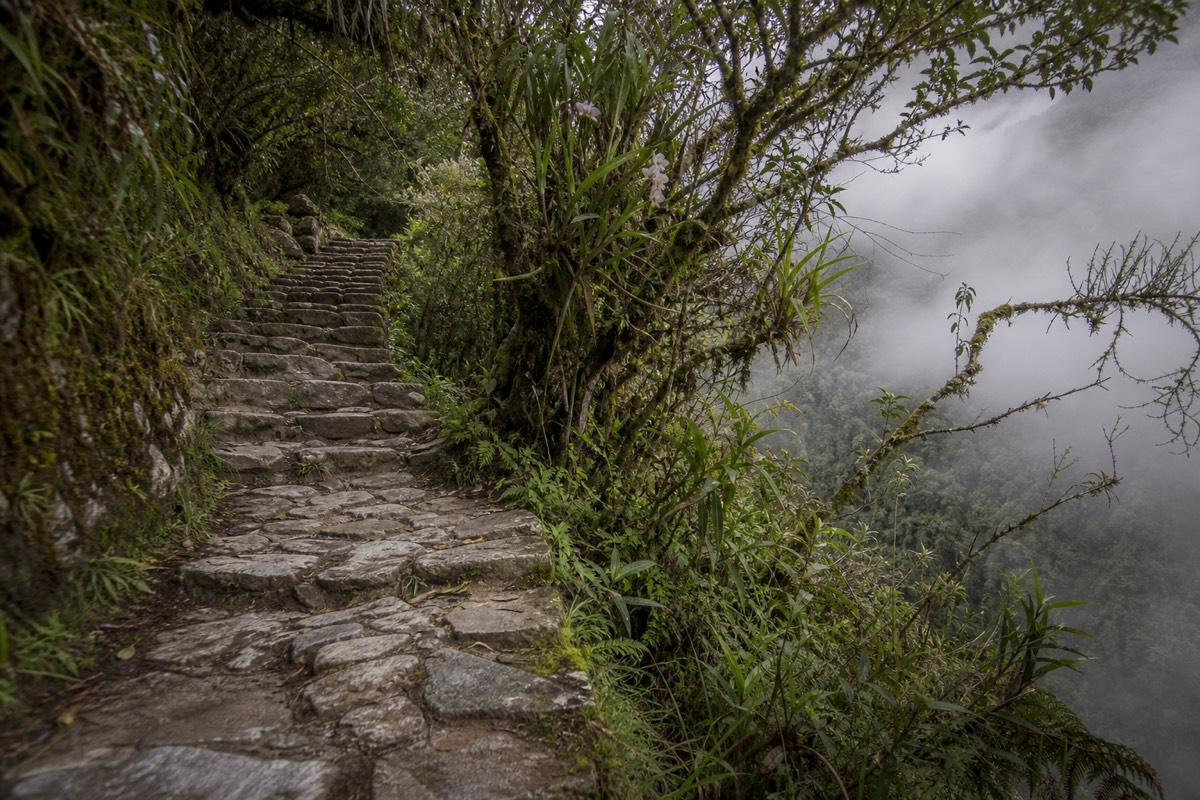
Two dates matter more than any other for Andean trip planning: the Inca Trail's annual February closure, and the last week of July around Peru's Independence Day. The trail closes for the entire month of February for maintenance and rest, a fixed annual event, not a weather call, so no permit sales exist for that month at all; the Salkantay trek and train-based routes to Machu Picchu keep running through February since they don't share the trail's exact footpath. Fiestas Patrias, Peru's Independence Day, falls around July 28 and 29 and triggers a genuine domestic travel surge as Peruvians take the holiday to travel themselves, which stacks on top of the international peak season already underway. Booking rail tickets, hotels and permits earlier than usual around that specific week is worth the extra effort.
| Date / window | What happens | Plan around it by |
|---|---|---|
| All of February | Inca Trail closed for annual maintenance | Booking the Salkantay trek, a train route, or another trek instead |
| Around June 24 | Inti Raymi festival fills Cusco hotels | Booking Cusco accommodation well in advance if traveling in June |
| Around July 28-29 | Peru's Independence Day; domestic travel spikes | Booking trains, permits and hotels earlier than the rest of peak season |
| Late Dec-early Jan | Christmas/New Year holiday bump | Confirming Lima and Cusco hotel availability ahead of the holidays |
Which region has its best month, and when?
Because Peru's three regions run on different calendars, the honest way to plan a multi-region trip is to line each stop up with its own strong window rather than treating the whole country as one season. A common itinerary sequence, Lima to Cusco to the Sacred Valley to Machu Picchu, with maybe the Amazon or Huacachina added on, benefits from checking each leg separately rather than assuming the "best time for Peru" applies evenly across a route that spans desert coast, high Andes and lowland rainforest.
| Region | Strongest window | Why |
|---|---|---|
| Cusco / Sacred Valley / Machu Picchu | May-September (plus Apr & Oct for value) | Dry season, clear trekking trails, reliable train service |
| Amazon (Iquitos or Puerto Maldonado) | Year-round, pick by activity | High water favors boat wildlife viewing; low water favors walking trails |
| Huacachina / Ica | Year-round, warmest Dec-Apr | Desert climate stays dry regardless of season |
| Lima | December-April | Avoids the garua coastal fog that settles in May-October |
| Huaraz / Cordillera Blanca | May-September | Same Andean dry season pattern as Cusco, critical for high mountain passes |
This regional-calendar approach also explains why two travelers can come home from Peru with wildly different weather stories about the exact same month. A traveler visiting Cusco and Machu Picchu in July describes cold, dry, brilliant sunshine. A traveler visiting Iquitos the same month describes warm, humid jungle weather with intermittent rain. A traveler based in Lima that month describes gray coastal fog and a jacket-weather city. All three accounts are accurate, and none of them describes "Peru's weather in July" as a single thing, because it simply isn't one, and treating it as one is the most common planning mistake first-time visitors make.
How does the season change what you'll actually see and photograph?
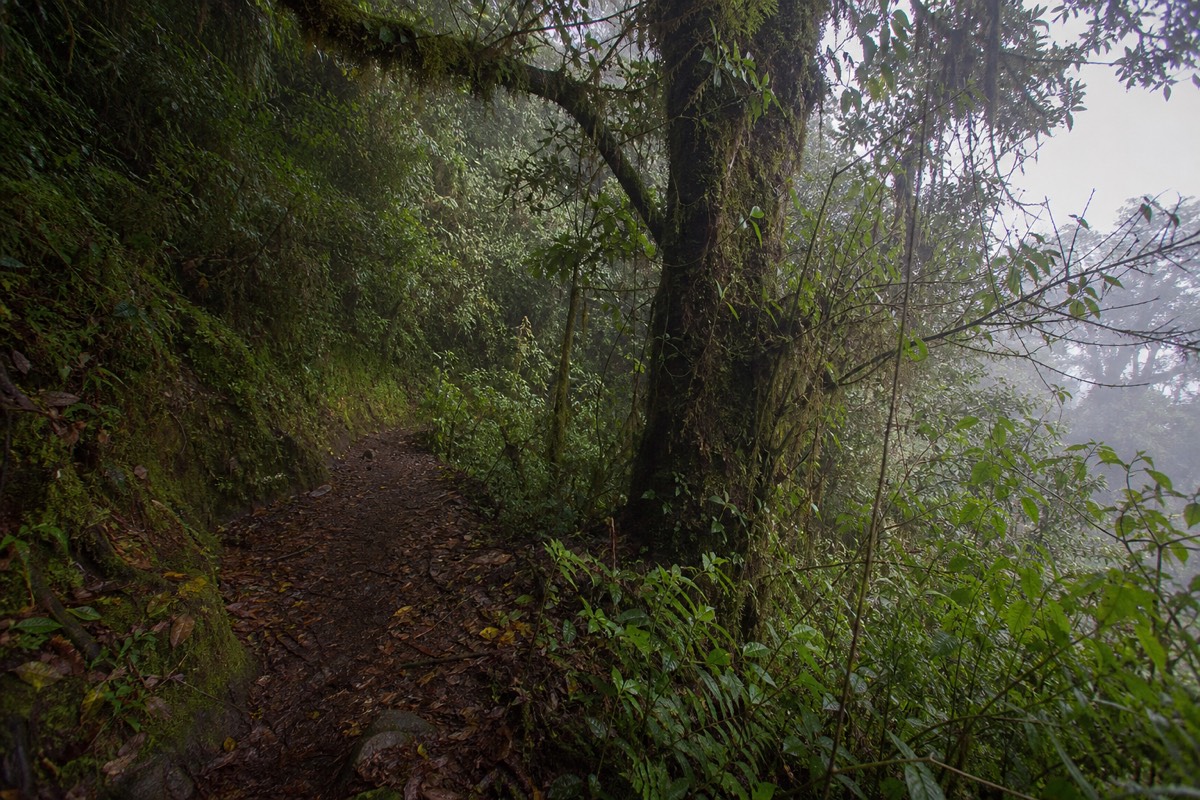
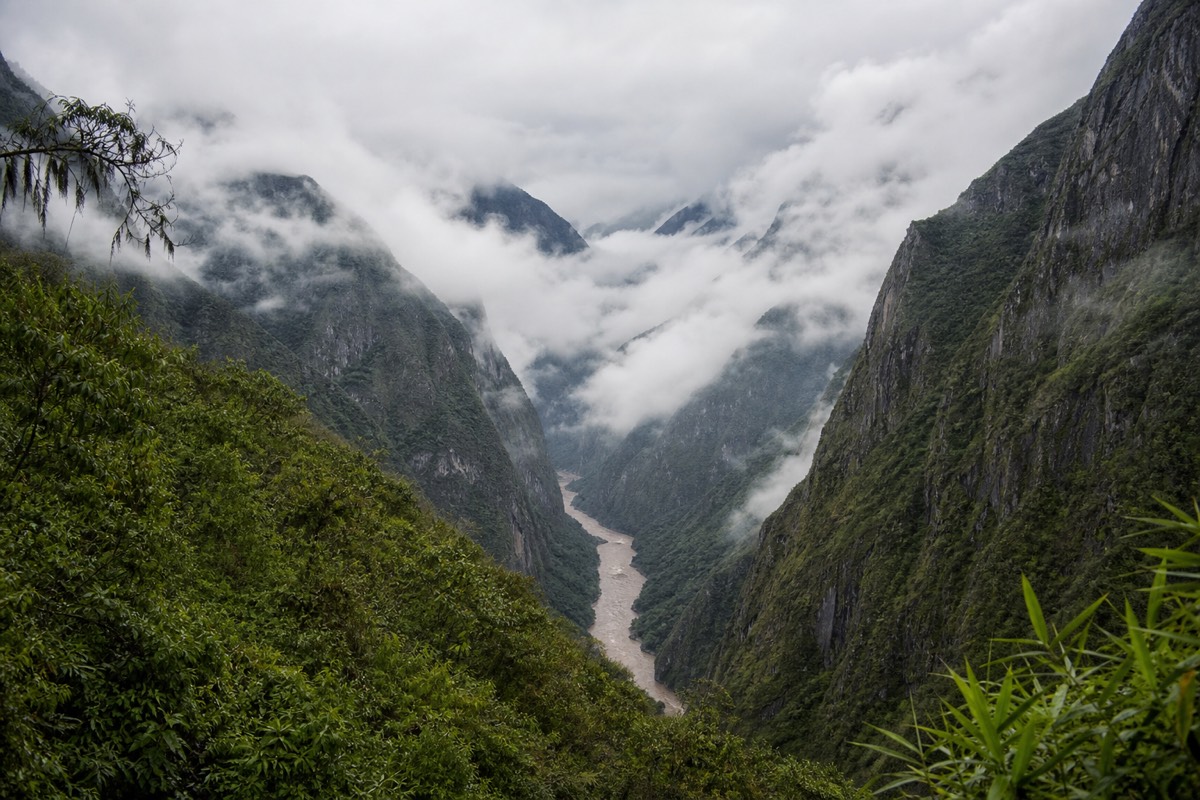
Season affects more than comfort, it changes the visual character of a trip: dry-season Machu Picchu photographs sharp and golden under consistent blue skies, while wet-season Machu Picchu delivers the misty, cloud-wrapped look that shows up in a lot of the site's most famous photography. Photographers chasing that dramatic, atmospheric mist-over-the-ruins shot are often better served by shoulder season, or even the edges of wet season, since the mix of morning cloud burning off through the day is exactly what produces it. Dry season trades that atmosphere for reliability: you're far more likely to get a fully clear view on your one visit, which matters more if your itinerary allows just a single shot at the citadel with no flexibility to return the next morning.
The same trade-off shows up on the trekking routes themselves. The Andes are famously green during and just after the wet season, when the terraced hillsides around the Sacred Valley take on a saturated color that fades by the end of a long dry season. Dry-season trekking photography tends to favor dramatic mountain light and clear glacier views, which matters especially on higher routes like the Huayhuash Trek cost and difficulty, where cloud cover can hide the exact peaks the trek exists to show you.
What do experienced Peru travelers do differently when planning around weather?
Frequent Peru travelers and the operators who run trips here tend to treat "best time" less as a single verdict and more as a set of trade-offs weighed against each traveler's own priorities: price, crowd tolerance, trekking plans, or photography goals. A traveler purely focused on trail conditions books May through September and accepts higher prices and busier trails as the cost of certainty. A traveler focused on value and lighter crowds leans into April or October and accepts a slightly higher chance of an afternoon shower. A traveler without a trekking component at all, sticking to Machu Picchu by train and city touring, has far more seasonal flexibility than either of those two, since rain rarely closes the citadel and almost never lasts a whole day.
| Priority | Season to lean toward | Trade-off accepted |
|---|---|---|
| Trail conditions for trekking | May-September | Higher prices, tighter permit and train availability |
| Value and lighter crowds | April or October | Slightly higher chance of an afternoon shower |
| Atmospheric, misty photography | Shoulder season or edges of wet season | Less predictable; may need more than one day for the right shot |
| Consistent, clear-sky photography | June-August | The busiest, most expensive window of the year |
| Flexibility, no trekking planned | Nearly any month works | An occasional rained-out afternoon, rarely a lost day |
How far ahead should you book for peak season?
Machu Picchu tickets go through the Ministry of Culture's own tuboleto.cultura.pe portal, and the closer you get to June-August, the further ahead you need to move. The Huayna Picchu and Machu Picchu Mountain add-on hikes are the tightest bottleneck: both are capped, both are popular, and both are worth booking three to six months ahead if your trip lands in peak season. Inca Trail permits are capped even harder, at 500 people per day including guides and porters, and that allocation for the coming year typically opens for booking around late October, so travelers eyeing a July or August Inca Trail departure are often booking the better part of a year out. Outside peak months, the same tickets can often be secured with a few weeks' notice instead of a few months.
Not every booking on a Peru itinerary needs that much lead time, which is worth knowing so the whole trip doesn't get over-planned around its single tightest bottleneck. Salkantay Trek vs. the Inca Trail covers a route that, unlike the Inca Trail, isn't capped by a government permit system, so it can typically be booked with far less notice even in peak season. Day tours like a full-day Machu Picchu train tour also tend to have more last-minute availability than trekking permits, though popular July and August departure times still fill faster than shoulder-season equivalents.
Hotels in Cusco and Aguas Calientes follow a similar, if slightly gentler, booking curve to permits and train seats: peak-season rooms in the most convenient locations near Plaza de Armas or the Aguas Calientes train station book up weeks to a couple of months ahead, while shoulder and wet-season travelers often find same-week availability without paying a premium.
What if your dates are already fixed?
A fixed travel window still leaves room to plan smart: check which season you are landing in for each region and adjust expectations rather than the calendar. Arriving in February, for instance, rules out the Inca Trail but not choosing between Salkantay and the Inca Trail for a different route, and the wettest months still deliver clear mornings at Machu Picchu more often than travelers expect, since Andean rain tends to arrive in the afternoon. A December or January trip means packing a real rain layer and building slack into any day that depends on the train; see Peru's current safety situation for how rain-season landslides occasionally affect the rail line and what buffer to build in. Whatever the season, a Cusco itinerary length of at least four to five days gives you room to acclimatize and absorb a rained-out afternoon without losing your only shot at the citadel.
It's also worth remembering that fixed dates don't mean a fixed itinerary. A traveler locked into a February arrival, when the Inca Trail is closed entirely, still has a full slate of legitimate options: the Salkantay trek, a train-based day tour, or a plan that leans more heavily on the Amazon or the coastal desert, both of which run on far more forgiving calendars than Andean trekking. Building the trip around what's actually open in your specific window, rather than mourning what isn't, tends to produce a better trip than forcing a date change that only adds cost and complexity elsewhere.
The broader point worth carrying into any Peru trip-planning conversation is that "best time" is really a bundle of separate, smaller questions: best time for trail conditions, best time for value, best time for photography, best time for a specific region on a multi-stop itinerary. Answering those separately, rather than searching for one universal verdict, produces a far more useful travel plan than any single calendar recommendation could on its own, and it's the approach every section of this guide has tried to model rather than just asserting a single "best month" and moving on.
If there's one takeaway worth carrying forward, it's that "best time to visit Peru" is really three or four separate questions layered together, one for the Andes, one for the Amazon, one for the coast, and the right answer depends on which of those regions your specific itinerary actually spends the most time in. However you decide to move between them, our full guide to getting around Peru covers the flight, bus and overland options for every leg.