Amazon Peru: Iquitos vs. Puerto Maldonado, Which Region to Pick
Both regions are the Amazon, but the trip you get is genuinely different: Iquitos is a deep, self-contained jungle expedition reachable only by air or river, while Puerto Maldonado is the easy add-on to a Cusco itinerary, a short flight from the mountains into the lowland forest.
Booking choice: Explore the Iquitos Amazon with guided excursions, lodge nights and local transfers. Explore Three days at Maniti Eco-Lodge
Affiliate links: we may earn a commission when you book.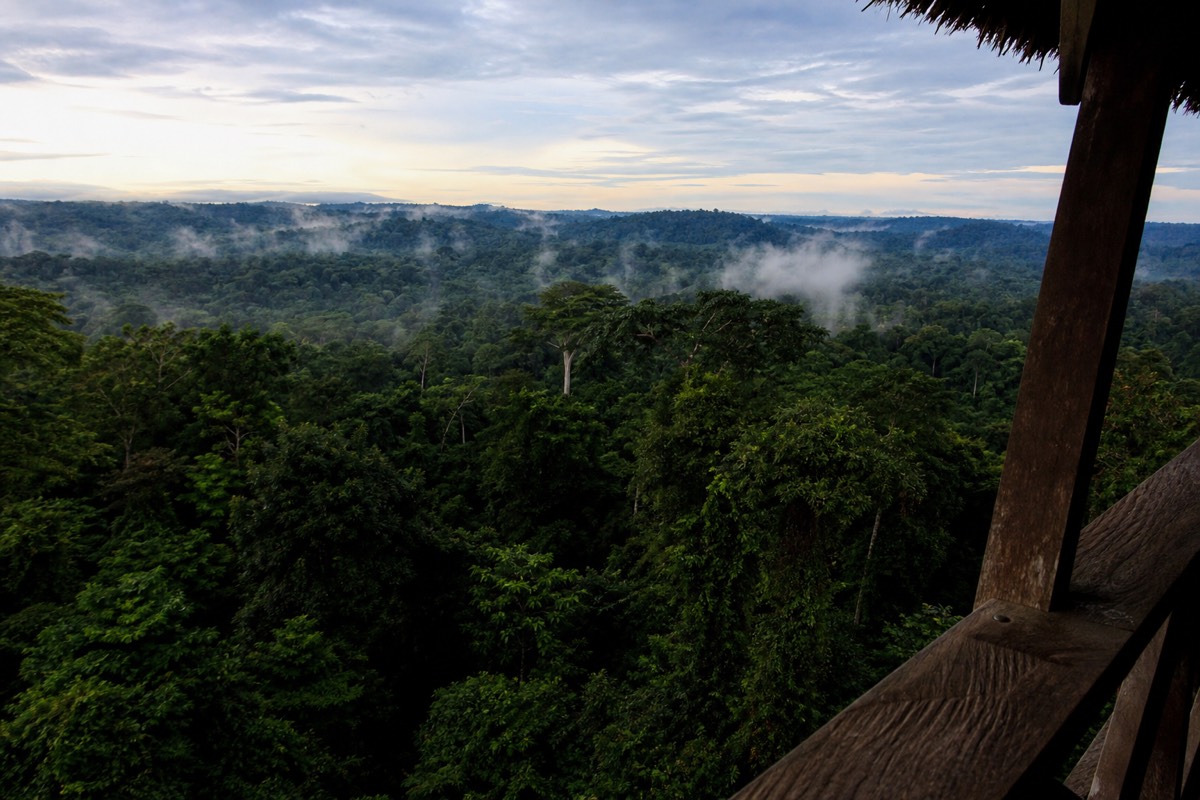
Iquitos vs. Puerto Maldonado at a glance
Access and trip-length figures reflect the real logistics of each gateway city; wildlife descriptions are general, not sighting-frequency statistics.
The quick answer
Pick Iquitos if the Amazon is the main event of your trip and you have time for a dedicated jungle expedition; pick Puerto Maldonado if you're already doing Cusco and Machu Picchu and want to add a shorter, easier rainforest leg onto the same itinerary. Iquitos is deeper and more remote, reachable only by plane or boat. Puerto Maldonado is a short flight from Cusco and puts you closer to the Tambopata and Madre de Dios reserves.

The Amazon is one of several distinct regions covered across our full range of guided Peru tours, and it's worth treating that regional decision with the same care as choosing between Cusco treks, since the two gateway cities genuinely deliver different trips.
What actually makes these two regions different?
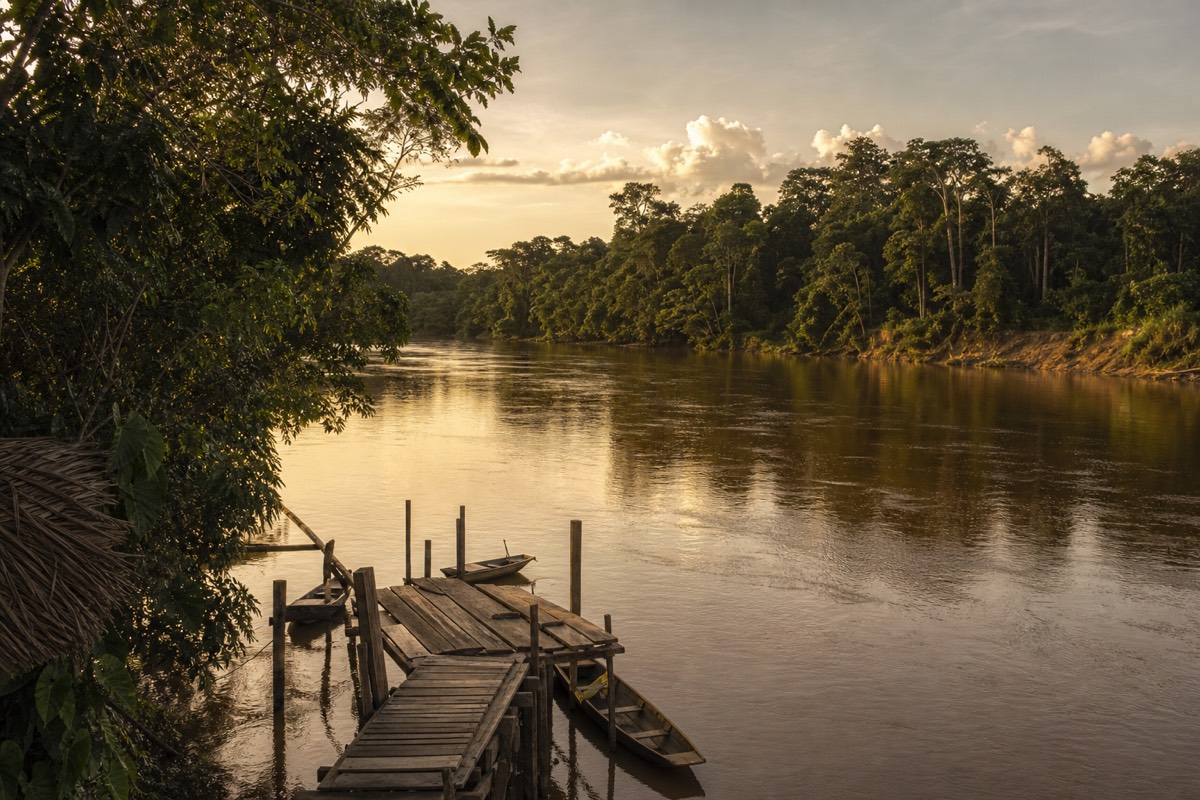
The core difference is access and distance from the rest of a Peru itinerary, not which one has "more" Amazon. Iquitos sits deep in the northern Peruvian Amazon and is famously the largest city in the world with no road connection to the rest of its own country; you get there only by air from Lima or by river. That isolation is exactly what makes the surrounding jungle feel less traveled and more genuinely remote, with longer river journeys required to reach untouched forest and lodges further from any urban footprint. Puerto Maldonado, in the southeastern Amazon near the Bolivian border, sits a short flight from Cusco and functions as the gateway to the Tambopata National Reserve and the wider Madre de Dios region, both known for concentrated, relatively accessible wildlife-viewing areas.
Neither region requires a road trip from Lima, since Peru's road network doesn't meaningfully connect the Amazon lowlands to the coast or highlands anyway. The practical question is which flight and which onward logistics fit your itinerary better.
That isolation factor also shows up in something less visible than travel time: the character of the river itself. The rivers feeding Iquitos are part of the upper Amazon watershed proper, wide, brown, and genuinely vast even hours from the city. The rivers around Puerto Maldonado, part of the Madre de Dios watershed, tend to be somewhat narrower and, closer to their headwaters in the Andean foothills, occasionally offer clearer water. Neither difference determines which trip is "better," but it's part of why photographs and traveler accounts from the two regions can look noticeably different even though both are unmistakably Amazon rainforest.
| Factor | Iquitos | Puerto Maldonado |
|---|---|---|
| Flight from Lima | Roughly 2 hours, direct | Roughly 1.5-2 hours, direct, or via Cusco |
| Flight from Cusco | Not direct; routes via Lima | Roughly 30-40 minutes, direct |
| Typical trip length | 2-3 days is the common range | 2-4 days is the common range |
| Wildlife-viewing style | Boat-based, river and flooded-forest focused | Boat and trail-based, reserve-focused |
| Ease of combining with Andes itinerary | Requires its own dedicated leg | Bolts on easily after Cusco/Machu Picchu |
| Access | Air or river only, no road | Road access exists locally, plus air |
What makes Iquitos distinct?
Iquitos is the more self-contained Amazon experience: a genuine jungle city, reachable only by air or by river, that puts you further from any other stop on a typical Peru itinerary and closer to a deeper stretch of rainforest. That isolation shapes everything about a trip based there. Lodges and excursions typically involve real river time, sometimes an hour or more each way by boat, past river communities and forest that sees noticeably less tourist traffic than areas closer to a road network. Multi-day options from Iquitos range from a compact 2-day Amazon tour from Iquitos covering Monkey Island, a wildlife rescue center and night jungle walks, up to the 3-day eco-lodge jungle tour at Maniti Eco-Lodge, roughly 70km downriver, which adds nocturnal caiman spotting by canoe and a visit to a local native community. A dedicated pink dolphin watching tour is also based from Iquitos, focused specifically on the Amazon and Itaya river confluence where pink and grey river dolphins are known to gather.
Because Iquitos doesn't connect by any land route to Cusco or Lima, a trip there tends to work best as its own dedicated block of days rather than a quick add-on, which is worth building into your overall Lima-to-Cusco flight and altitude logistics planning if you're trying to fit both regions into one trip.
The wildlife rescue center included in the 2-day itinerary, Fundo Rony, is also worth calling out specifically. It's a real rehabilitation facility for animals recovered from the illegal wildlife trade or injury, including sloths, macaws and boa constrictors, and visiting it doubles as a chance to see species up close that would be far harder to spot reliably in the wild on a short trip, while supporting the center's ongoing work.
What makes Puerto Maldonado distinct?
Puerto Maldonado's whole appeal is proximity: a short flight from Cusco puts you in the Amazon lowlands fast enough to add a genuine jungle leg onto a Machu Picchu trip without losing several days to travel. It sits at the doorway to the Tambopata National Reserve and the broader Madre de Dios region, both established, well-run wildlife-viewing areas reachable by shorter river transfers than the longer journeys typical from Iquitos. That shorter distance from lodge to gateway city is the main practical trade for travelers with limited time, since it turns the Amazon from "its own trip" into "one more stop."
Both gateways now have verified guided options in the booking tool below. Choose Iquitos for the northern river-and-lodge itinerary or Puerto Maldonado for the southern jungle program, and arrange flights for that exact gateway.
Travelers weighing Puerto Maldonado against Iquitos purely on logistics should also factor in group size and crowding at the most popular reserve entry points during peak Peru travel season, since Tambopata's proximity to Cusco means it draws a meaningful share of travelers who are already in the region for Machu Picchu and decide to add a shorter jungle leg. That's not a reason to avoid it, just a realistic expectation to set against Iquitos's more remote, lower-traffic feel.
Which region suits a first-time jungle visitor better?
Puerto Maldonado's shorter transfers and established reserve infrastructure make it a slightly gentler first Amazon experience for travelers nervous about jungle logistics, while Iquitos rewards travelers who specifically want the deeper, more remote version and don't mind a longer commitment to get there. Neither is objectively harder to visit in terms of physical demand, since both involve boat-based transfers and guided walking rather than technical trekking, but the psychological factor of "how far am I really from anywhere" is genuinely higher in Iquitos, which some travelers find part of the appeal and others find intimidating going in. First-time Amazon visitors who are already stretched thin on trip-planning bandwidth sometimes find Puerto Maldonado's simplicity, one flight from Cusco, a shorter overall commitment, easier to reason about than adding an entirely separate leg through Lima for Iquitos.
What wildlife might you actually see in each region?
Both regions sit within the same greater Amazon basin ecosystem, so the broad categories of wildlife overlap heavily; what differs more is viewing style than species list. Iquitos-area tours commonly build around river-based sightings, including the pink and grey river dolphins the region is well known for, plus primates, sloths and birdlife around forest islands and wildlife rescue centers. Puerto Maldonado and the Tambopata reserve are well regarded for their concentration of accessible wildlife-viewing sites, including macaw clay licks and primate troops, within a shorter radius of the gateway city. Neither region guarantees specific sightings on any given trip, since wildlife viewing in true rainforest is inherently variable, but both are established, credible destinations for exactly this kind of trip.
| Wildlife category | Commonly associated with |
|---|---|
| River dolphins (pink & grey) | Iquitos river confluences and backwaters |
| Primates & sloths | Both regions, forest islands and reserve trails |
| Caimans | Both regions, typically spotted on night canoe excursions |
| Macaws & birdlife | Both regions; Tambopata is well known for clay-lick viewing |
| Piranha & river fish | Both regions, common fishing excursion in either |
It's worth being straightforward about what "wildlife viewing" actually means on a short jungle trip: sightings are opportunistic, not staged, and a two or three day visit is a snapshot of an ecosystem that doesn't perform on a schedule. Guides in both regions are skilled at reading the signs, ripples from a surfacing dolphin, a rustle in the canopy, footprints along a riverbank, but no operator in either region can guarantee a specific animal on a specific day, and any that claims otherwise is overselling the experience.
What should you know about health preparation and safety for either region?
Both regions sit within a tropical rainforest zone, so the standard travel-health advice for Amazon travel applies to either destination: talk to a travel clinic or your own doctor well before departure about recommended vaccinations and antimalarial medication for the region you're visiting, and pack insect repellent as a non-negotiable item regardless of which gateway city you choose. This isn't specific to Iquitos or Puerto Maldonado individually, it's standard guidance for tropical rainforest travel generally, and it's worth handling weeks ahead of a trip rather than the day before a flight, since some vaccinations need lead time to take effect. Long, lightweight sleeves and pants for dawn and dusk excursions, when insect activity tends to be highest, are standard packing advice for both regions as well.
Neither region requires a special permit for standard tourist visits the way some protected areas elsewhere in Peru do; entry to lodges and reserves is typically handled through the tour operator as part of the package, with conservation or reserve fees, where applicable, built into the price paid upfront. General safety in either region is less about crime, which isn't the primary concern in tourist-facing lodges and excursions, and more about the environment itself: river currents, wildlife encounters handled through a trained guide rather than independently, and heat and humidity management on longer excursions. Following your guide's instructions, especially around wildlife like caimans or river dolphins, keeps an inherently wild environment a genuinely safe one to visit.
| Category | Applies to |
|---|---|
| Travel clinic consultation ahead of the trip | Both regions |
| Insect repellent (DEET or equivalent) | Both regions, daily use |
| Long, lightweight sleeves/pants for dawn/dusk | Both regions |
| Rain protection (poncho or rain jacket) | Both regions, any season |
| Water purification / bottled water | Both regions; tap water not recommended |
A lodge booking does not establish vaccination, medication or personal health requirements.
What kind of accommodation should you expect?
Lodging in both regions ranges from simple jungle lodges with shared facilities to more comfortable eco-lodges with private rooms and amenities like a pool or wifi, and the specific tour or lodge you book determines which end of that range you land on far more than the region itself does. The Iquitos-area tours covered here span that range directly: the 2-day itinerary includes a single night in fairly simple lodge accommodation focused on the excursions themselves, while the 3-day Maniti Eco-Lodge stay adds private rooms with mosquito netting, showers, and even a swimming pool and 24/7 wifi at the lodge, genuinely more comfortable than the phrase "jungle lodge" might suggest. Puerto Maldonado's lodge ecosystem around Tambopata follows a similarly wide range, from basic to comfortable, and the right pick again comes down to matching the specific lodge to your comfort expectations rather than assuming either gateway city defaults to one standard.
| Trip | Accommodation style |
|---|---|
| 2-day Iquitos tour | 1 night simple lodge accommodation, excursion-focused |
| 3-day Maniti Eco-Lodge tour | Private rooms with netting, showers, pool, 24/7 wifi |
| Pink dolphin tour (half-day) | No overnight; boat-based excursion only |
How does cost compare between the two regions?
Treat the earlier price examples as historical planning figures. Compare current quotes for your dates, adding flights, single-room supplements and any excluded services. The booking tool includes separate Iquitos and Puerto Maldonado options; neither is automatically cheaper for every itinerary.
| Iquitos tour | Verified price | What's included |
|---|---|---|
| 2-Day Amazon Rainforest Exploration | $219 | 1 night lodge, all meals, all excursions, Iquitos transfers |
| 3-Day Maniti Eco-Lodge (All-Inclusive) | $469 | 2 nights private lodge, all meals, guide, gear, Iquitos transfers |
| Pink Dolphin Watching Tour | $80 | Private boat, local captain and guide, port taxes |
How does trip length and pacing compare?
A worthwhile Iquitos trip typically runs 2 to 3 days minimum once you factor in the river time to reach a lodge and back, while a Puerto Maldonado add-on can work in as little as 2 days thanks to shorter transfers. Neither region rewards a rushed single-day visit, since the actual jungle immersion, the part travelers come for, only really starts once you're away from the gateway city itself. The 2-day Iquitos itinerary still fits real content into a short window: a river cruise scanning for dolphins, a visit to a Kukama tribal community, Monkey Island, a night jungle walk, then a second day covering a wildlife rescue center and piranha fishing before returning to the city by evening. Stretching to 3 days, as with the Maniti Eco-Lodge itinerary, adds a full extra layer: canoe-based caiman spotting after dark, a dawn birdwatching hike, and a visit to a native community for a deeper cultural component.
Longer stays, a week or more at a single Amazon lodge, do exist as a trip style, and they trade the efficiency of a packaged 2-3 day tour for more time to let wildlife sightings accumulate naturally and more flexibility in the daily schedule. For most travelers combining the Amazon with an Andes-heavy Peru itinerary, though, the shorter packaged format covered here is the more realistic fit, since it leaves enough of the trip's total days for Cusco, the Sacred Valley and Machu Picchu without the Amazon leg dominating the calendar.
| Trip length | What it typically covers |
|---|---|
| 2 days (Iquitos) | River cruise, tribal visit, Monkey Island, night walk, wildlife rescue center, piranha fishing |
| 3 days (Iquitos, eco-lodge) | Adds nocturnal caiman canoe excursion, dawn birdwatching, native community visit |
| 2-4 days (Puerto Maldonado) | Shorter transfers to Tambopata-area lodges, trail-based and river-based excursions |
So which region should you actually pick?
If the Amazon is a headline destination on your trip and you can dedicate several days to it on its own, Iquitos rewards that with a deeper, more remote jungle experience; if you're already committed to Cusco and Machu Picchu and want the Amazon as a genuine but shorter add-on, the logistics favor Puerto Maldonado's proximity. Travelers building a longer Peru itinerary sometimes ask whether they can do both regions; it's possible, but it means budgeting real travel days for each leg separately, since there's no direct route connecting them. For most trips, picking one region and giving it enough time beats splitting limited days across two disconnected legs of the same basin.
One more practical note worth factoring into the decision: because Iquitos requires its own dedicated flight leg with no direct Cusco connection, combining it with the Andes portion of a trip usually means routing back through Lima twice, once between Lima and Iquitos, once between Lima and Cusco. Puerto Maldonado's direct Cusco flight avoids that extra Lima routing entirely, which is a real time and cost factor worth weighing alongside the wildlife-viewing considerations above.
What kind of lodges will you actually stay in?
Both regions run on a similar lodge model, rustic, screened-in cabins powered by generator or solar electricity, communal dining, and guided excursions built into the stay, but Puerto Maldonado's lodges tend to sit closer to the city on the Tambopata or Madre de Dios rivers, while Iquitos-region lodges are typically a longer boat ride further into more remote forest. Neither style is more "authentic" than the other; the difference is really about how much travel time separates your bed from the deeper forest each day. A shorter lodge commute means more time actually in the field; a longer one usually correlates with a quieter, less-visited stretch of river.
| Puerto Maldonado lodges | Iquitos lodges | |
|---|---|---|
| Typical river | Tambopata, Madre de Dios | Amazon River tributaries near Iquitos |
| Distance from city | Often 1-3 hours by boat | Often 2-4+ hours by boat for deeper lodges |
| Style | Screened cabins, communal dining, guided excursions | Same general model, often more remote |
Which region gives you a better chance at specific wildlife?
Neither region can honestly promise specific sightings, since wildlife viewing in a rainforest is inherently variable, but Puerto Maldonado's Tambopata National Reserve area is well known for its macaw clay licks, while Iquitos-area rivers are a more reliable bet for pink river dolphins given the calmer tributary waters they favor. Both regions offer a broadly similar roster of monkeys, caimans, and birdlife, and a good guide matters more than the specific region when it comes to actually spotting and identifying what's around you. Treat any specific-species promise from a tour listing with reasonable skepticism, and treat a guide's track record and reviews as a better signal than the marketing copy.
Whichever region you choose, pack for humidity, insects and river conditions rather than Andean cold; see a full Peru packing list for the Amazon-specific section, and consider how the jungle leg fits around the rest of a Cusco itinerary length if you're combining both. There's no wrong choice between the two if judged purely on rainforest authenticity, since both regions sit within the same vast Amazon basin and share the same core ecological character. The right choice is really a logistics and priorities question dressed up as a destination question, and it resolves quickly once you're honest about how much time and travel complexity you're willing to add to the rest of your Peru itinerary.
Either way, book with an operator who runs the Iquitos region regularly rather than treating the Amazon leg as an afterthought tacked onto an Andes-focused trip; the quality of a jungle lodge experience depends heavily on the guide, and that's true whichever river you end up on.