How Many Days Do You Need in Cusco and Machu Picchu
Four days is the honest floor for Cusco and Machu Picchu; seven gives you room to actually enjoy it instead of racing between checkpoints. Here is a day-by-day plan for both, a middle option, and the two mistakes that wreck more itineraries than any flight delay.
Booking choice: Combine Expedition rail, buses and a guided Machu Picchu visit in one day. Explore Machu Picchu by Expedition train
Affiliate links: we may earn a commission when you book.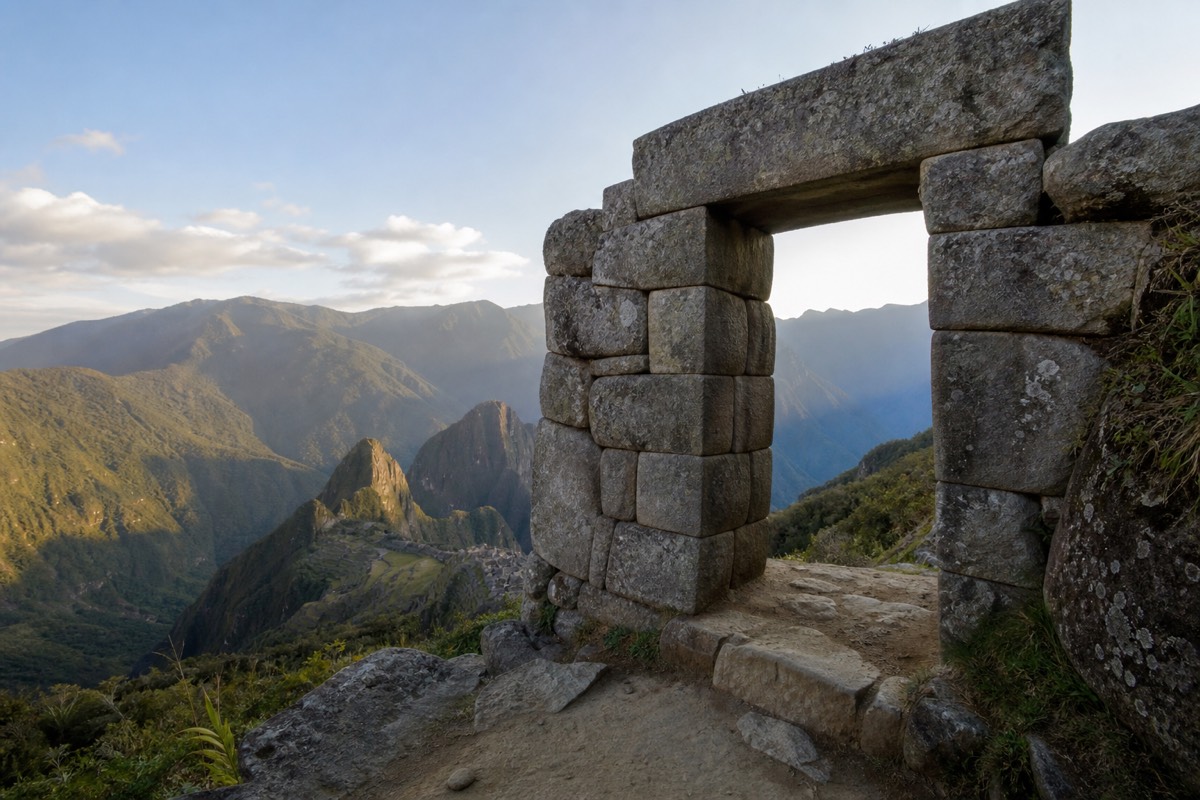
Minimum vs. ideal trip length
Day counts reflect the acclimatization pacing recommended across this site's Cusco-area tour operators; actual pacing can flex by a day in either direction.
The quick answer
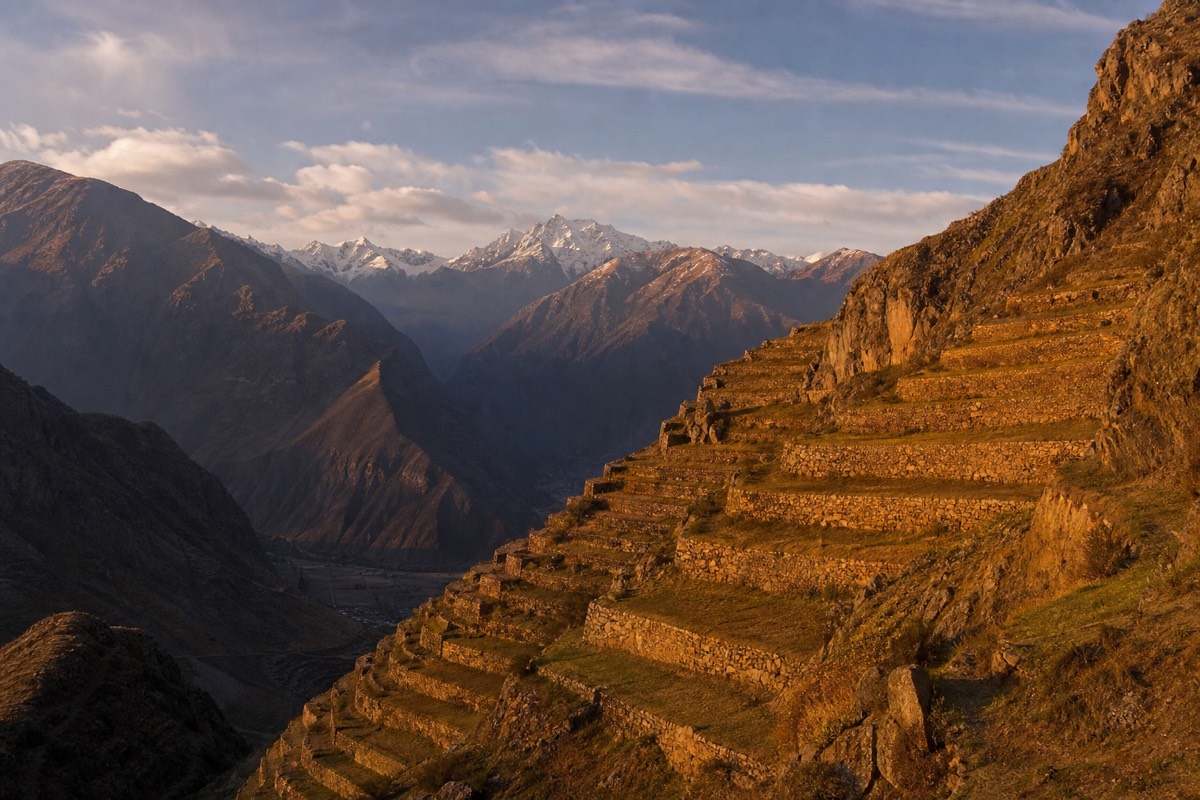
Budget a minimum of 4 days for Cusco and Machu Picchu, built around one acclimatization day, one city day, one Machu Picchu day, and a travel day. An ideal trip runs 6 to 7 days, adding the Sacred Valley and a buffer day so nothing depends on a single train running on time.
Both numbers assume you're already in Cusco or arriving there directly. If you're weighing how to get from Lima in the first place, our Lima to Cusco guide covers flight and bus logistics separately, and how that choice interacts with your day count.
The gap between "possible" and "comfortable" here is real, and it's worth being honest about which one you're actually planning for before you lock in flights and hotel nights.
What if you only have 2 days?
Two days is not a realistic window for both Cusco acclimatization and a proper Machu Picchu visit; if that's genuinely all the time you have, the honest advice is to treat it as a Machu Picchu trip only, skip an extended Cusco stay, and accept a real risk of feeling rough given zero acclimatization buffer. We'd rather say this plainly than pretend a 2-day itinerary works comfortably.
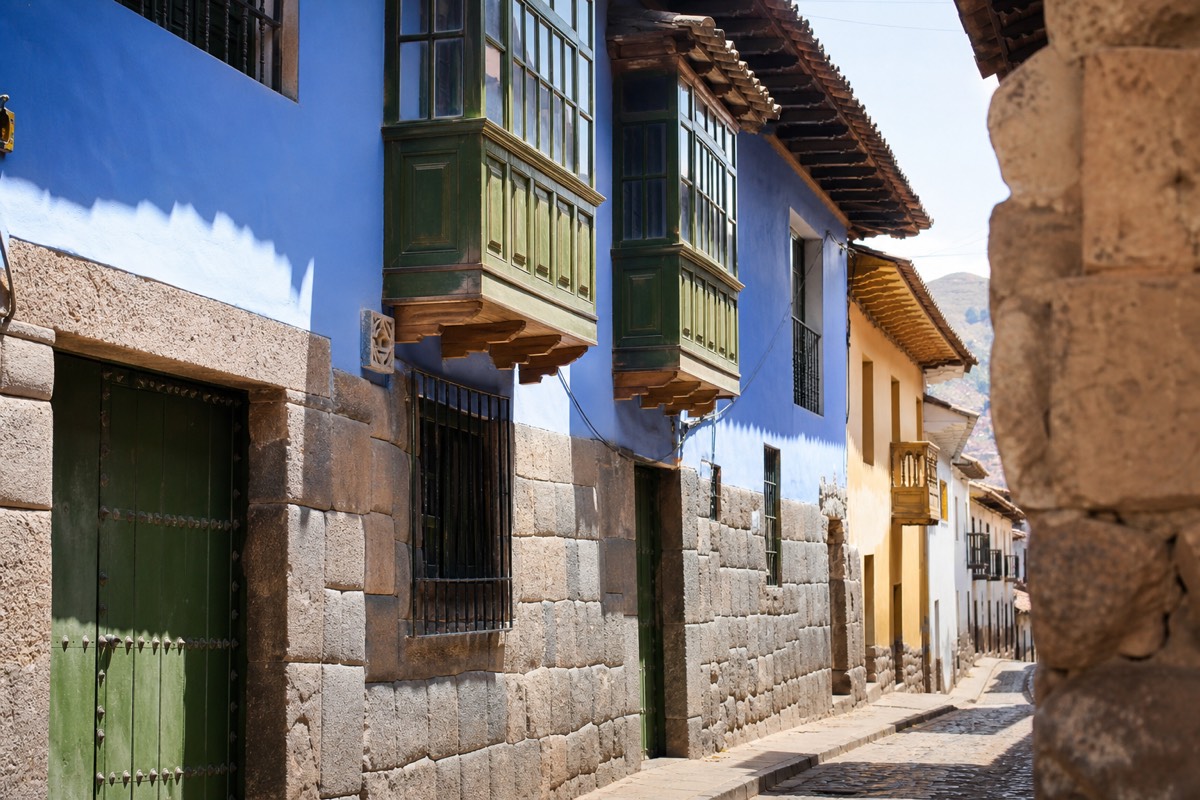
In practice, a 2-day trip usually means arriving in Cusco, heading almost immediately toward Machu Picchu the next morning, and departing shortly after. There's no meaningful buffer if a train is delayed, and no time to let your body adjust before the most physically demanding day of the trip. If two days is a hard constraint, at minimum protect the evening of day one as genuine rest rather than an ambitious dinner and late night out; a rough night's sleep on top of zero acclimatization is the version of this trip that goes worst.
If there's any flexibility at all, even stretching to 3 days changes the picture meaningfully, since it allows a single afternoon of light activity before the demanding Machu Picchu day rather than none at all.
Two calendar days may leave no safe buffer for arrival, acclimatization and transport disruption; the tool does not certify a rushed plan.
What does a minimum 4-day trip actually look like?
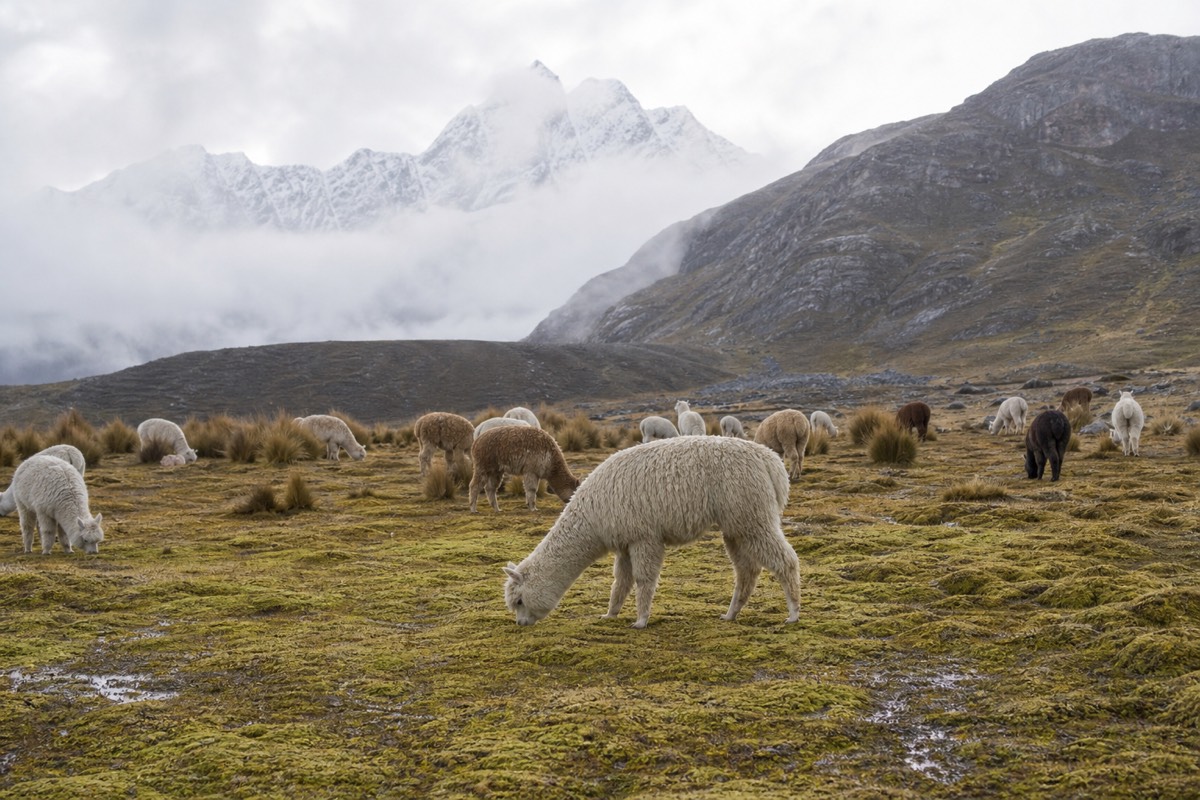
A 4-day floor covers one rest day, one Cusco city day, one full Machu Picchu day, and a departure day, with essentially no slack if a train gets delayed or you catch a mild case of soroche. It works, but it's tight by design, not by comfort.
| Day | Plan | Notes |
|---|---|---|
| Day 1 | Arrive in Cusco, short walk, early night | This is not optional padding; see our altitude sickness guide for why |
| Day 2 | Half-day Cusco city and ruins tour, rest of the day free | Light activity, still adjusting |
| Day 3 | Full-day Machu Picchu tour by train and bus | Long day: pre-dawn pickup, return late evening |
| Day 4 | Depart Cusco | No buffer if day 3's train is delayed |
This plan skips the Sacred Valley entirely and leaves zero room for a second Machu Picchu attempt if weather or a schedule hiccup ruins the first. It's a real option for travelers on a fixed calendar, not a mistake in itself, just a trade-off worth going in aware of. If you take this route, treat day one as sacred: skipping the rest day to squeeze in an extra activity is the single change most likely to derail the rest of a short trip.
What does a middle-ground 5-day trip look like?
Five days is enough to add either a Sacred Valley day or a genuine buffer day around Machu Picchu, without stretching the trip as far as a full week. It's a reasonable compromise for travelers who can't spare seven days but find the 4-day plan too tight.
| Day | Plan | Notes |
|---|---|---|
| Day 1 | Arrive, rest | Same acclimatization logic as the 4-day plan |
| Day 2 | Cusco city and ruins tour | Light activity |
| Day 3 | Sacred Valley day trip | Adds real sightseeing plus acclimatization value at lower elevation |
| Day 4 | Full-day Machu Picchu train adventure | Now on day 4 instead of day 3, one extra day of acclimatization behind you |
| Day 5 | Depart Cusco | Still a same-morning departure, but you've had a smoother build-up to the big day |
What does an ideal 6-7 day trip look like?
Seven days lets you add a Sacred Valley day, swap the single rushed Machu Picchu day for a calmer full-day train adventure with a buffer day around it, and still have room for an extra excursion like Rainbow Mountain. This is the pacing most Cusco-based operators actually build their multi-day packages around.
| Day | Plan | Notes |
|---|---|---|
| Day 1 | Arrive in Cusco, rest | Non-negotiable acclimatization day |
| Day 2 | Cusco city and ruins tour | Light activity, plenty of water |
| Day 3 | Sacred Valley day trip (Pisac, Ollantaytambo) | See our Sacred Valley guide; also useful acclimatization since parts of the valley sit lower than Cusco |
| Day 4 | Train to Machu Picchu, overnight near Aguas Calientes or return to Cusco | Some travelers prefer an overnight to catch the citadel at first light |
| Day 5 | Machu Picchu, or a buffer day if you did it on day 4 | Buffer absorbs any train delay without wrecking the trip |
| Day 6 | Free day, or Rainbow Mountain / Humantay Lake add-on | Only if you're feeling strong by this point |
| Day 7 | Depart Cusco | Relaxed morning instead of a rushed one |
How do the three trip lengths actually compare?
| 4 days (minimum) | 5 days | 7 days (ideal) | |
|---|---|---|---|
| Sacred Valley | Skipped | One day | One day, unhurried |
| Buffer around Machu Picchu | None | Minimal | A full extra day |
| Room for a second excursion | None | None | Yes, Rainbow Mountain or similar |
| Best for | Fixed, tight calendars | Travelers who want a middle ground | Anyone with the flexibility to take it |
What can you actually skip if you're short on time?
If you only have 4 days, the Sacred Valley and any second high-altitude excursion like Rainbow Mountain are the first things to cut, not Machu Picchu itself or the acclimatization day. Cutting the rest day to add an extra site is the trade nearly every operator will tell you not to make.
| If time is short, cut this first | Don't cut this |
|---|---|
| Sacred Valley day trip | The Cusco acclimatization day |
| A second high-altitude excursion (Rainbow Mountain, Humantay Lake) | Machu Picchu's full-day time slot; rushing it undercuts the entire trip |
| An overnight stay near Aguas Calientes | A buffer around your Machu Picchu day if you can spare it |
What are the most common itinerary mistakes?
The two mistakes that wreck the most trips are skipping the acclimatization day to "save time" and trying to visit Machu Picchu as a single rushed day trip straight from Lima. Both are avoidable with basic planning, and both show up constantly in traveler complaints after the fact.
| Mistake | Why it backfires |
|---|---|
| No acclimatization day before strenuous activity | Cusco sits at 3,400 m; most soroche symptoms hit 6-24 hours after arrival, right when a rushed itinerary has you hiking or touring hard, see our altitude sickness guide |
| Treating Machu Picchu as a same-day trip from Lima | The flight to Cusco alone is roughly 1h20m, then a train and bus connection to the citadel; doing all of it plus the return in one day from Lima leaves almost no time at the ruins and no acclimatization buffer at all |
| Not booking Machu Picchu tickets in advance | Entry is capped daily by the Ministry of Culture; popular circuits and the Huayna Picchu add-on can sell out weeks ahead in peak season, see our Machu Picchu tickets guide |
| Packing every day back to back with no buffer | One delayed train or one off day from altitude cascades through the whole itinerary |
Tickets themselves are sold through the official Ministry of Culture platform, tuboleto.cultura.pe, and the standard circuit runs around $40 USD for foreign adults as of 2026. Standard circuit tickets are comfortable to book several weeks ahead, or a month or more during the June-August peak. The Huayna Picchu add-on hike needs considerably more lead time, ideally 3 to 6 months ahead in peak season, since it carries the smallest daily cap of any permit and sells out well before general entry does. Outside peak months, roughly November through March excluding the wettest weeks, a couple of weeks ahead is usually workable for either.
Do not put a strenuous outing immediately after arrival simply because a calendar shows a departure.
How do flight schedules constrain your minimum trip length?
Because the Lima-Cusco flight runs about 1h20m with a handful of daily departures rather than a constant shuttle, your actual arrival and departure times in Cusco are pinned to specific flight slots, which can quietly eat into a tight itinerary more than travelers expect. A 4-day trip on paper can become closer to 3.5 usable days depending on what time your inbound and outbound flights land.
A late-morning arrival into Cusco on day one, for instance, still leaves a reasonable afternoon for rest, but a late-afternoon or evening arrival compresses that same day down to essentially nothing before you need to sleep. Similarly, an early-morning departure flight on your last day means day 4 isn't really available for anything beyond breakfast and a taxi to the airport. Our Lima to Cusco logistics guide covers flight timing in more depth, including why morning departures from Lima are generally preferred.
The practical fix is simple: when you're booking a 4-day minimum trip, favor a morning arrival flight into Cusco and a later departure flight home if the schedule allows it, since that maximizes the usable time you actually get out of a tight day count. For a longer trip where the flight isn't the constraint, our full guide to getting around Peru lays out how the flight, bus and overland pass options each affect your day count.
An excursion booking does not replace flight connection or arrival-day buffers.
How does the Sacred Valley fit into the schedule?
The Sacred Valley works best as a day 2 or 3 addition in a 5-7 day trip, both because it holds real sites of its own and because parts of it sit at a lower, gentler elevation than Cusco. It's not just a scenic detour; it's genuinely useful acclimatization.
Pisac's market and ruins, Ollantaytambo's fortress, and the option to overnight there before catching an early Machu Picchu train are all covered in more depth in our full Sacred Valley guide. Travelers on the 4-day minimum plan generally skip it and route straight from Cusco to Machu Picchu and back, which is a reasonable trade given the time constraint.
What if you have more than 7 days?
Beyond a week, most travelers add either a multi-day trek like the Inca Trail or Salkantay in place of the single Machu Picchu day, or a separate region entirely, such as the Amazon or a Rainbow Mountain and Humantay Lake combination. At that point you're less constrained by acclimatization and more by how much of Peru you actually want to see.
| Day | Plan |
|---|---|
| Day 1 | Arrive in Cusco, rest |
| Day 2 | Cusco city and ruins tour |
| Day 3-4 | Sacred Valley circuit, overnight in Ollantaytambo |
| Day 5 | Early train from Ollantaytambo to Machu Picchu |
| Day 6 | Buffer day, or a second Machu Picchu entry |
| Day 7 | Rainbow Mountain |
| Day 8 | Free day, or Humantay Lake |
| Day 9 | Depart Cusco |
This 9-day version spreads the Sacred Valley across two easier days rather than one long one, and adds a genuine buffer around both Machu Picchu and the physically demanding Rainbow Mountain day. It's a comfortable pace rather than an efficient one, which is exactly the trade extra days are meant to buy.
Our Salkantay vs. Inca Trail guide compares the two most common multi-day trekking options if you have the extra time, and our Amazon region guide covers the two main jumping-off points if you want to add rainforest to a longer trip.
A 9-plus day itinerary is also where the southern overland route via Peru Hop (check prices here) fits naturally. Instead of flying straight to Cusco, you can build in stops at Paracas, Huacachina, Nazca, Arequipa and Puno before arriving in Cusco already partly acclimatized, with a bilingual host and hotel pickup at each stop along the way. It adds several days to the trip, which only makes sense if you already have the calendar room this section assumes.
Turn the extra days into the southern route itself Peru Hop's pass links Lima, Paracas, Huacachina, Nazca, Arequipa, Puno and Cusco into one flexible booking, with the pass valid a full year and departure dates changeable in the app up to 12 hours out. It's a genuine way to spend a longer trip's extra days seeing more of southern Peru rather than sitting on a single domestic flight.
Does the season you're traveling in change how many days you should plan?
Not the core day count itself, but the dry season from roughly May through October brings more predictable weather and heavier crowds at Machu Picchu, while the wet season from November through April sees thinner crowds but a real chance of a rained-out day that a buffer day helps absorb. Our best time to visit Peru guide covers the month-by-month breakdown in full.
If you're traveling June through August specifically, the peak of the dry season, that's exactly when a buffer day earns its keep the most: trains and tickets sell closer to capacity, so any single disruption has less slack to absorb elsewhere in the schedule. Traveling in the shoulder or wet season doesn't shorten how many days you need, but it does shift the risk from crowding toward weather, which a flexible day 5 or day 6 in the 7-day plan handles either way.
Does trip length affect overall cost, beyond the obvious extra nights?
Longer trips add cost mainly through extra accommodation nights and any additional tours you book into the free days, rather than through some hidden per-day surcharge; the core costs, flights, Machu Picchu entry, and your main guided tours, are largely fixed regardless of how many rest or buffer days surround them. A 7-day trip isn't roughly double the cost of a 4-day one just because it's longer.
The practical way to think about it: your flights to and from Cusco, your Machu Picchu ticket, and your booked tours cost about the same whether you build a tight 4-day trip or a relaxed 7-day one around them. What changes is hotel nights and whether you fill the extra days with paid excursions like Rainbow Mountain or leave them as genuinely free time, which costs little beyond a meal or two.
How does the day count change if you're combining Cusco with other parts of Peru?
The 4-7 day windows in this guide cover Cusco and Machu Picchu specifically; if you're also visiting Lima, the Amazon, or Huacachina, those add on top rather than sharing days with your Cusco stay. A common full Peru itinerary runs closer to 10-14 days once you add a couple of nights in Lima and a few more in a second region.
Lima on its own is easy to fold in efficiently: a single full day, using the Lima highlights tour, covers the city's core sights before or after your Cusco leg, and since most international flights route through Lima anyway, it rarely adds a dedicated travel day beyond the stopover itself. The Amazon typically adds another 3-4 days given its own flight connection, and Huacachina usually adds 1-2 days, often combined with Lima time given its location on the coast south of the capital. See our Amazon region guide and Huacachina guide for what each of those legs typically requires. None of this changes the 4-7 day core window for Cusco and Machu Picchu itself; it simply stacks on top for travelers building a longer, multi-region Peru trip.
Intercity travel days are separate from the excursion durations shown here.
Should you book a multi-day package or piece the itinerary together yourself?
A pre-built multi-day package bundles transport, hotels, and the acclimatization pacing described in this guide into a single booking, which removes a lot of the coordination work; piecing it together yourself with individual day tours gives more control over pace and which specific sites you prioritize. Both are legitimate approaches, and plenty of travelers land somewhere in between.
The individual-tours approach tends to suit travelers who already have strong opinions about their itinerary, want to swap in extra free days without renegotiating a package, or are combining Cusco with other parts of Peru on a schedule that doesn't map cleanly onto a fixed multi-day product. Booking the half-day Cusco city tour, then separately the Machu Picchu train adventure a couple of days later, gives you full control over what happens in between, including whether that gap becomes a rest day, a Sacred Valley day, or simply unstructured time to explore Cusco at your own pace.
Whichever approach you take, the underlying day-count math in this guide doesn't change. A 7-day trip built from individual bookings still benefits from the same rest-day-then-city-day-then-valley-day-then-Machu-Picchu sequence as a pre-built package following the same logic, and a rushed 4-day trip carries the same trade-offs regardless of how it was booked. The one genuine advantage of a multi-day package is peace of mind: someone else is responsible for the connections lining up, which matters more the shorter and tighter your trip is.
Does international jet lag add to the picture?
If you're flying in from far outside Peru's time zone, jet lag and altitude adjustment can overlap in your first couple of days, which is one more reason a genuine rest day on arrival pulls double duty rather than feeling like wasted time. Travelers arriving from Europe, Asia, or Australia in particular are managing two adjustments at once, not just one.
Peru sits in a time zone reasonably close to the U.S. East Coast, so travelers from the Americas generally have less jet lag to contend with than travelers crossing more time zones to get there. Either way, the same advice holds: don't schedule anything demanding on day one, and treat the first night's sleep, however disrupted, as part of the adjustment process rather than a problem to solve. It's a small planning detail, but it explains why some travelers bounce back by day two while others need the full three days this guide budgets for, and why the minimum-4-day plan above assumes a traveler arriving reasonably rested rather than straight off a transoceanic flight with no buffer at all.
Jet lag and recovery time are personal planning needs; no tour purchase resolves them.
How many days should you spend at Machu Picchu itself?
Most standard circuit tickets grant a window of a few hours inside the citadel, which is enough for one focused visit; a second morning entry the next day is a nice-to-have, not a requirement, for most travelers. Photographers and history buffs sometimes book two separate entries on two different days, but a single well-paced visit with a guide covers the highlights thoroughly.
If you're weighing the train options for getting there, our Inca Rail vs. PeruRail guide breaks down the two operators running the route from the Sacred Valley and Cusco.
For the full range of ways to experience the citadel and Cusco region, our complete lineup of Peru tours covers everything from the half-day city tour to multi-day treks, each pegged to a realistic day count. Machu Picchu's elevation and general geography are documented on its Wikipedia entry, which cross-checks the figures used throughout this guide.