Rainbow Mountain: Is It Worth the Hike? Altitude, Prep, and What to Expect
Rainbow Mountain looks unreal in photos, and the colors are genuinely natural. What the pictures leave out is the altitude: at 5,036 meters, the summit sits higher than Cusco, higher than Machu Picchu, and higher than almost anywhere else most travelers will stand on a Peru trip.
Booking choice: Hike to Rainbow Mountain with Cusco transport, guide and departure-specific meals. Explore Vinicunca guided day hike
Affiliate links: we may earn a commission when you book.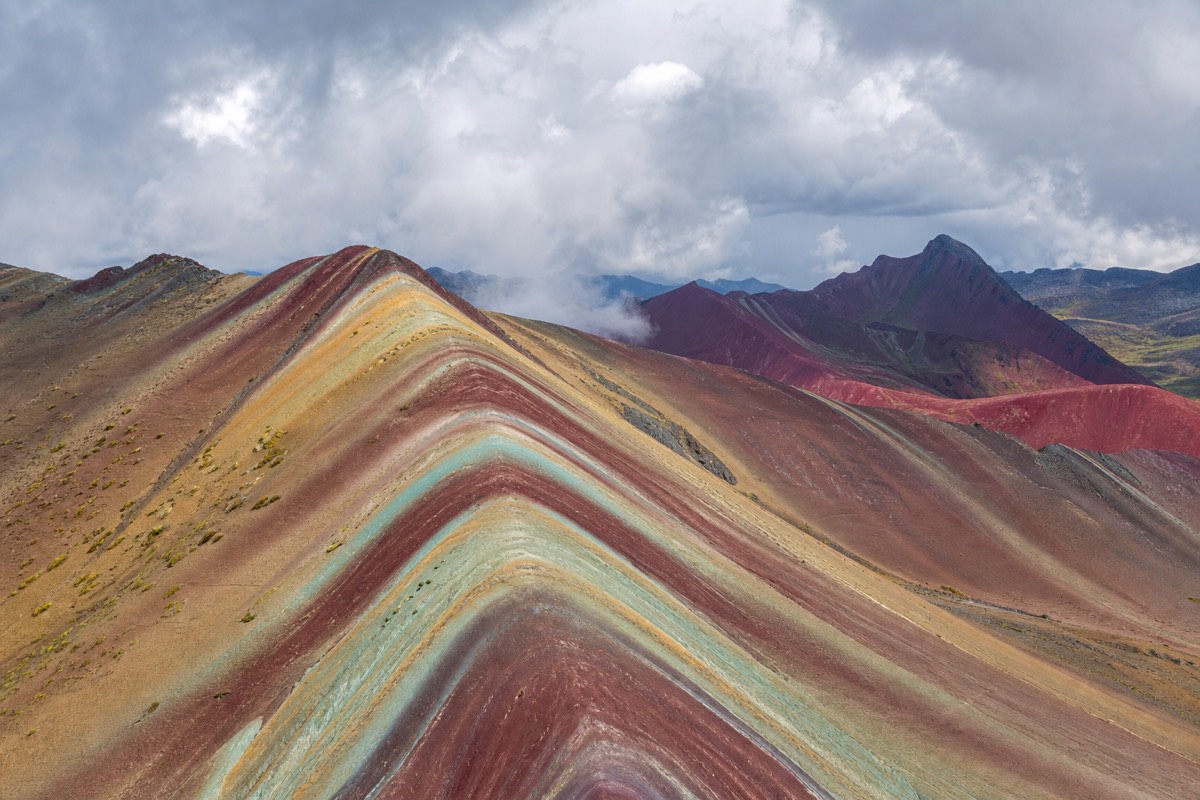
Rainbow Mountain vs. other Cusco-area elevations
Elevations are approximate summit or town heights. Rainbow Mountain sits well above the acclimatization baseline of Cusco itself, which is why altitude, not distance, is the real obstacle.
The quick answer
Yes, for most reasonably fit travelers who have already spent two or more days acclimatizing in Cusco. Rainbow Mountain is a real, physically demanding trek to 5,036 meters that delivers scenery you cannot get anywhere else nearby, but the altitude is the genuine obstacle, not the distance, and skipping acclimatization is the single most common reason people turn back.
What does Rainbow Mountain actually look like in person?
The stripes are real and completely natural, layers of iron oxide and other minerals exposed by erosion over thousands of years, but how vivid they look on any given day depends on light, cloud cover, and how recently it rained. The mountain's official name is Vinicunca, and its colors come from mineral sediment, not paint or dye of any kind. Under flat midday light or heavy cloud, the reds and golds mute down toward brown. Early morning sun, by contrast, rakes across the ridges at a low angle and makes the color bands genuinely glow, which is exactly why every serious tour departs Cusco between 3:30 and 4:00 AM.
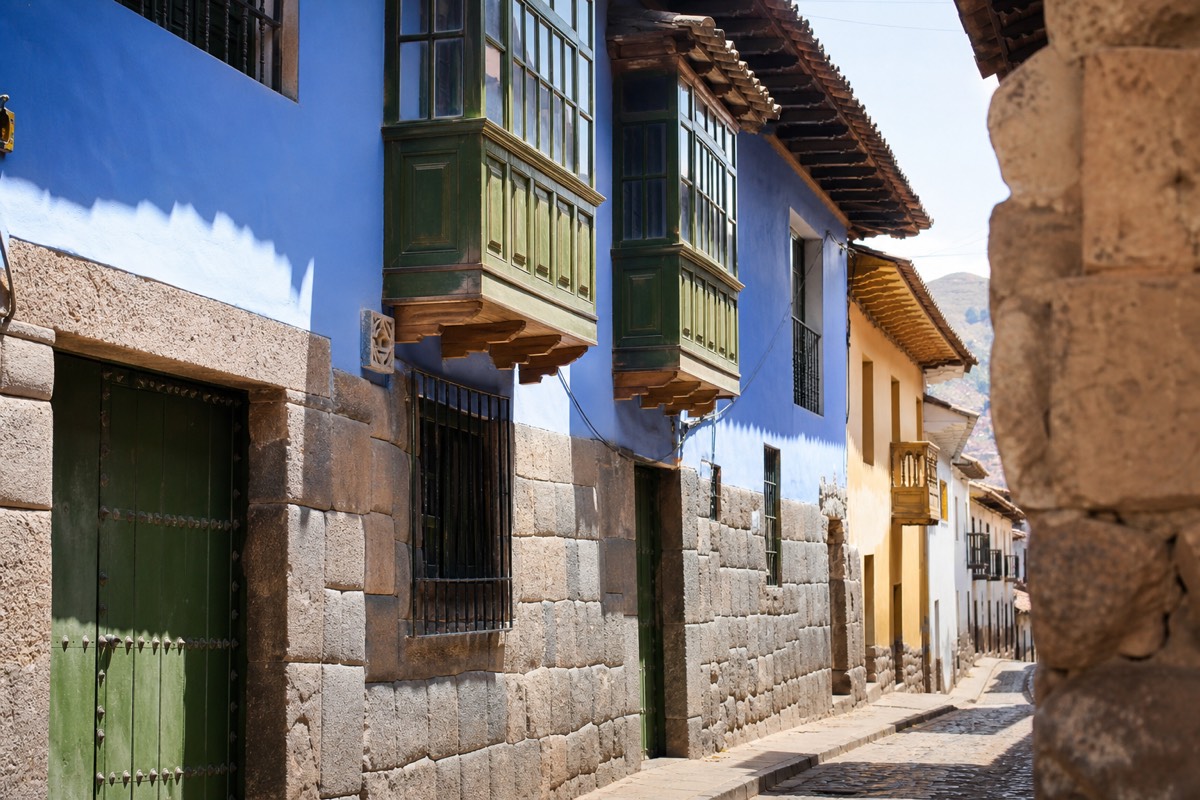
Set your expectations somewhere between the saturated Instagram version and a flat gray day: most visitors who arrive early and get lucky with weather see color that is clearly and obviously striped, distinct bands of rust, gold, and lavender running across the slope. Visitors who arrive late in a fogged-in shoulder season sometimes come away disappointed. Neither outcome means the mountain isn't real. It means weather in the high Andes is unpredictable, and a good operator's early departure is a real strategy for beating both the crowds and the midday cloud buildup that rolls in most afternoons.
How high is Rainbow Mountain, really?
The summit sits at roughly 5,036 meters (16,522 feet), inside the Vilcanota range near Ausangate, the highest peak in the Cusco region at 6,384 meters. That is meaningfully higher than Cusco itself (3,400m) and nearly a full kilometer above the elevation where most travelers are still acclimatizing when they book this trip. Guided day tours typically stop at a slightly lower viewpoint, around 5,010 meters, but the difference is a rounding error at that altitude: both numbers are well into terrain where oxygen levels are noticeably thinner than sea level, and where altitude sickness is a real, documented risk rather than a theoretical one.
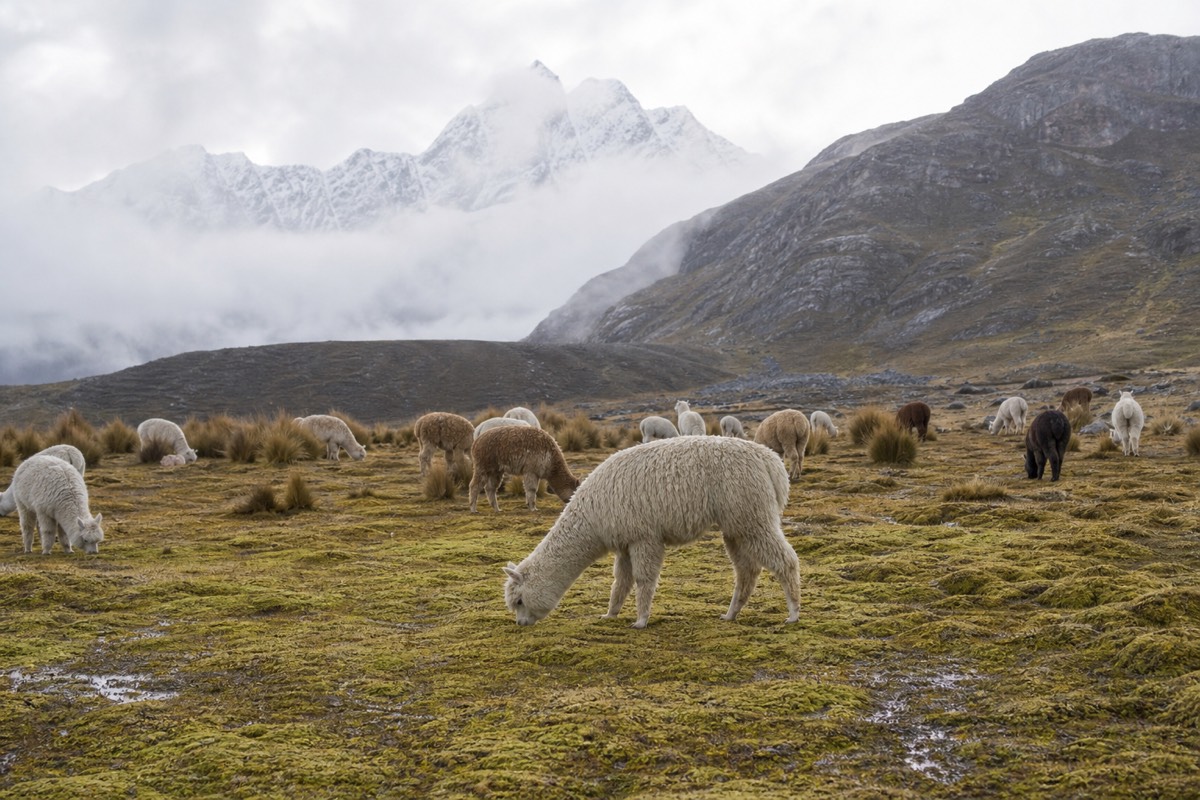
This is the part travelers underestimate most. Rainbow Mountain is not a strenuous hike by trail standards, it is a short one. What makes it hard is doing that short hike at an elevation where every step costs more oxygen than it does at home. We cover the mechanics of that in full in our altitude sickness guide for Cusco and Machu Picchu, which is worth reading before you book, not after you feel it on the trail.
| Quick facts | Detail |
|---|---|
| Summit elevation | ~5,036 m (16,522 ft); guided viewpoint often listed around 5,010 m |
| Starting trailhead elevation | ~4,850 m |
| Trek distance | ~3.5 km each way from the trailhead |
| Typical round-trip walking time | 2.5 to 3.5 hours, plus time at the summit |
| Rainbow Mountain entrance fee | ~30 PEN (paid locally, cash only) |
| Red Valley entrance (optional) | ~30 PEN |
| Nearest higher peak | Ausangate, 6,384 m, the tallest in the Cusco region |
The altitude is a physical constraint, not something a guided booking removes.
How hard is the hike itself?
Physically, it is a moderate uphill walk of roughly 3.5 kilometers on a wide dirt trail, no scrambling or technical terrain involved, made harder purely by thin air rather than difficult footing. Most day-tour departures start the walking portion around 4,850m and climb steadily to the 5,010m viewpoint, a gain of only about 160 vertical meters over the trek, which would be unremarkable at sea level and takes most people 60 to 90 minutes to walk at altitude, with regular pauses to catch their breath.
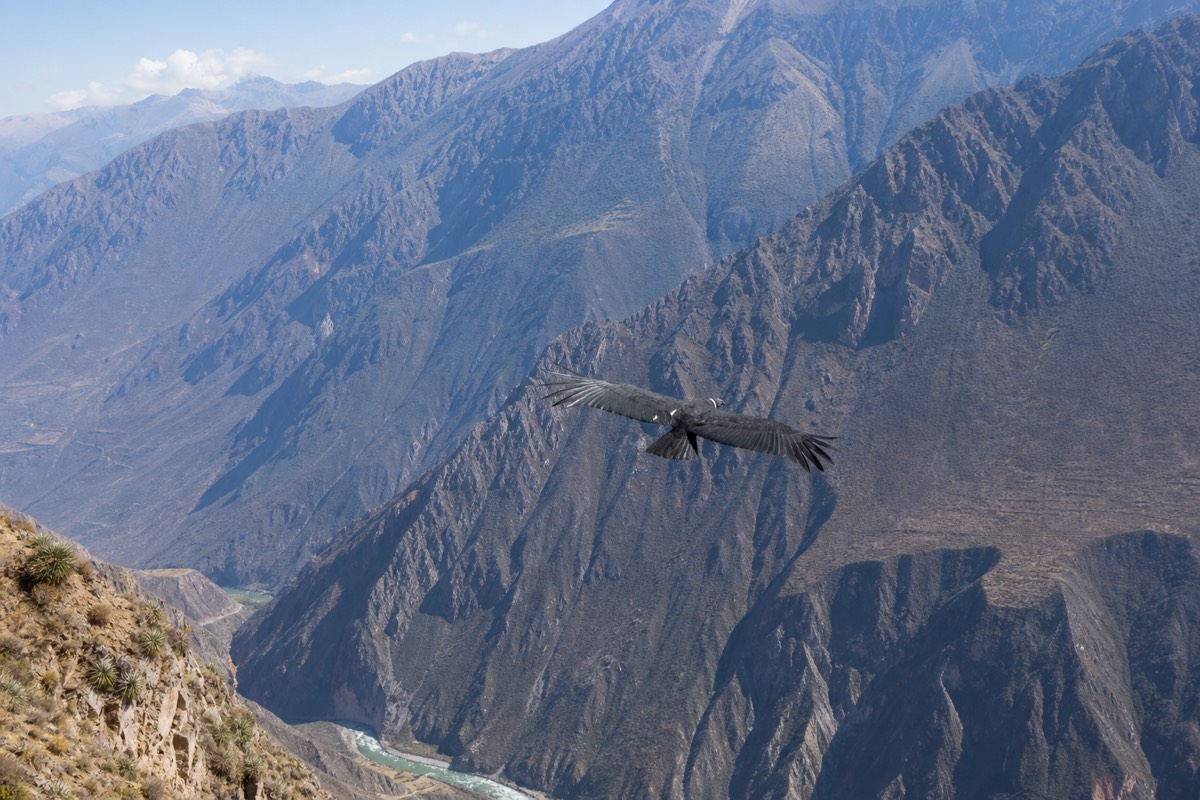
Every reputable operator we've reviewed builds in a backup for exactly this reason. On the standard day trip, a horse can be rented on the spot for roughly 100 PEN in cash if the altitude becomes too much, and guides typically carry emergency oxygen and a wooden walking stick is included in the package. None of that is a sign the hike is unusually dangerous; it's the local operators being realistic about who is on the trail on any given morning, since a large share of visitors arrive from sea level with no acclimatization at all.
| Hike segment | Distance | Approx. time |
|---|---|---|
| Trailhead to summit viewpoint | ~3.5 km, uphill | 60-90 minutes |
| Time at the summit | — | ~30 minutes |
| Descent back to the vehicle | ~3.5 km, downhill | 45-60 minutes |
| Optional extension | Into the Red Valley | +30-45 minutes |
What's actually included on a guided tour?
A standard Rainbow Mountain day tour typically bundles breakfast and a buffet lunch, a bilingual guide, emergency oxygen, downtown hotel pickup and drop-off, and a wooden walking stick, while entrance fees, horse rental, and personal snacks are usually left for you to cover on-site in cash. That split matters for budgeting: the advertised tour price is not the full cost of the day, and travelers who don't bring extra soles sometimes find themselves unable to rent a horse or extend into the Red Valley when the moment actually arrives.
Some operators also market an "early access" departure as a selling point, aiming to get hikers on the trail before the larger mid-morning wave arrives from competing companies. Given how much the color and crowd experience depends on timing, that's a genuinely useful thing to pay attention to when comparing tour listings, not just marketing language.
| Usually included | Usually not included (bring cash) |
|---|---|
| Breakfast and buffet lunch | Rainbow Mountain entrance fee (~30 PEN) |
| Bilingual guide | Red Valley entrance, optional (~30 PEN) |
| Emergency oxygen and first aid | Horse rental, optional (~100 PEN) |
| Downtown hotel pickup and drop-off | Personal snacks and extra water |
| Wooden walking stick | International travel insurance |
What can you do to handle the altitude on the day itself?
Beyond pre-trip acclimatization, pacing yourself on the trail, drinking more water than feels necessary, and avoiding alcohol the night before all measurably reduce how hard the day feels, and slowing down is never something to be embarrassed about at 5,000 meters. Guides on this route are used to a wide range of paces within the same group and build rest stops into the ascent for exactly this reason. Coca leaf tea, widely available in Cusco cafes and hotels before departure, is a traditional local remedy many travelers find helpful, though it isn't a substitute for proper acclimatization days if you're feeling genuinely unwell.
Walking slower than your instinct tells you to, and stopping fully rather than just slowing down when you feel short of breath, are the two most practical on-the-day habits that separate a manageable summit push from a miserable one. Nobody on this hike is racing, and guides would rather add fifteen minutes to your pace than deal with a medical situation at altitude.
Do not continue ascending with altitude symptoms. A horse or guide does not establish medical safety.
Rainbow Mountain vs. other Cusco-area day trips
Rainbow Mountain asks more of your body than almost any other single-day trip out of Cusco, in exchange for scenery none of the others can match. The Sacred Valley is gentler and lower, Humantay Lake sits between the two in both altitude and effort, and Machu Picchu itself, despite being the headline attraction, is actually the lowest and least physically demanding of the group.
| Day trip | Peak elevation | Physical demand | Typical duration |
|---|---|---|---|
| Machu Picchu (train tour) | 2,430 m | Low, mostly walking on stone paths | Full day (12-16 hrs incl. transit) |
| Sacred Valley (Pisac/Ollantaytambo) | ~2,970 m | Low to moderate | Full day |
| Cusco city tour | 3,400 m | Low | Half day |
| Humantay Lake | ~4,200 m | Moderate to strenuous | Full day |
| Rainbow Mountain | ~5,036 m | Strenuous, altitude-driven | Full day (11-13 hrs incl. transit) |
How should you prepare?
Spend at least two full days in Cusco or the Sacred Valley before attempting Rainbow Mountain, hydrate more than feels necessary, and pack for a temperature swing of 20-plus degrees Celsius between the pre-dawn pickup and the midday summit sun. Acclimatization is not optional advice here, it is the single biggest factor in whether the day goes well. Travelers who fly into Cusco and attempt Rainbow Mountain the next morning are the ones most likely to turn back partway up. Travelers who reach Cusco overland instead, on a multi-day pass like Peru Hop's route through Arequipa and Puno, tend to already have some acclimatization built in by the time they arrive, though it's still worth treating the two-day minimum as a floor rather than skipping it because the flight into Cusco wasn't the mode of arrival.
Beyond acclimatization, the packing list is short but specific: sunglasses for the intense high-altitude glare off snow and mineral rock, a warm layer for the sub-zero pickup window (most departures leave Cusco between 3:30 and 4:00 AM), sunscreen despite the cold, and small-denomination Peruvian soles in cash for entrance fees and any optional horse rental, since card payment isn't an option at the trailhead. If you're building a packing list for the wider trip, our Peru packing list guide covers the Andes-specific layering system in more depth.
| What to pack | Why |
|---|---|
| Sunglasses | Glare off high-altitude snow and pale mineral rock is intense even on overcast days |
| Warm jacket, hat, gloves | Pre-dawn pickup and trailhead temperatures often sit near or below freezing |
| Sunscreen (high SPF) | UV exposure at 5,000m is far stronger than it feels in the cold |
| Cash in small soles | Entrance fees, Red Valley extension, and horse rental are cash-only, on-site |
| Water and snacks | Most tours include breakfast and lunch but not trail snacks or extra water |
| Comfortable, broken-in shoes | The trail is unpaved dirt and can be muddy in wet season, not technical |
When is the best time to go?
The dry season, roughly May through September, gives the most reliable color and the clearest views, while the wet season (December to March) brings a real risk of cloud, mud, and a muted mountain. Neither season is a dealbreaker on its own; plenty of travelers get a spectacular wet-season morning before the afternoon clouds roll in, and plenty of dry-season visitors hit an unlucky overcast day. But if your trip dates are flexible, dry season meaningfully shortens the odds in your favor.
| Season | Months | What to expect |
|---|---|---|
| Dry season | May-September | Clearest skies, best color visibility, coldest pre-dawn temperatures, busiest trail |
| Shoulder season | April, October, November | Good odds, thinner crowds than peak dry season |
| Wet season | December-March | Higher risk of cloud, rain, and mud; fewer crowds; still doable with flexible plans |
Who should honestly skip Rainbow Mountain?
Travelers with diagnosed heart or respiratory conditions, anyone over roughly 65 without a doctor's clearance for high altitude, and unfit or unacclimatized visitors on a tight one- or two-day Cusco layover should seriously reconsider or plan an alternative. This isn't scaremongering: the operator behind the leading Rainbow Mountain day tour explicitly notes the trip is not suitable for travelers over 65 or those with respiratory issues, specifically because of the altitude, not the walking distance.
If you're short on acclimatization time, a lower-altitude alternative like the Sacred Valley or a half-day Cusco city tour will treat your body far more kindly, and you can always revisit Rainbow Mountain later in a longer Peru itinerary once you've banked a few more days above 3,000 meters.
| Go if… | Skip or wait if… |
|---|---|
| You've had 2+ days in Cusco or the Sacred Valley already | You're arriving from sea level the day before |
| You're in reasonably good general fitness | You have a diagnosed heart or lung condition |
| You're comfortable with a 3:30 AM pickup | You're traveling with very young children |
| You want scenery Machu Picchu doesn't offer | You're over 65 without a doctor's high-altitude clearance |
The selected Vinicunca listing accepts booking ages 15–60 and excludes certain health conditions; no matching hike is asserted outside those limits.
What about the Red Valley add-on?
The Red Valley (Valle Rojo) sits just past the main Rainbow Mountain viewpoint and is usually offered as a short, optional extension for an extra entrance fee of around 30 PEN, and most travelers who make it that far say it's worth the extra half hour. Where Vinicunca's colors run in horizontal stripes across a single slope, the Red Valley opens into a wider basin of deep terracotta and rust tones, a genuinely different composition rather than more of the same view. Because it's an add-on rather than the main event, it doesn't require significantly more altitude or effort, just a bit more time and a second entrance fee paid in cash on-site.
The selected Viator itinerary does not establish a Red Valley add-on, and the previous GetYourGuide listing now redirects away from the product.
Is there an alternative to the crowded day trip?
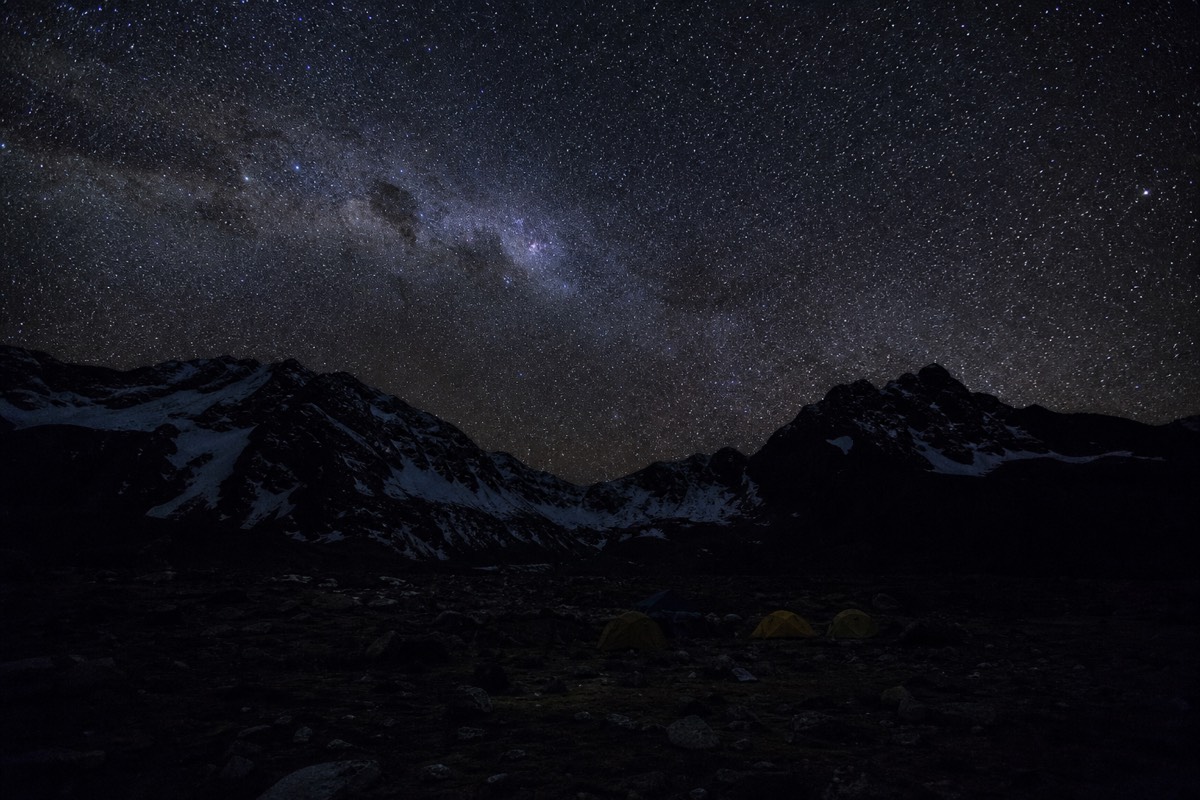
Yes: a multi-day private trek through the Ausangate range reaches Rainbow Mountain from the opposite, far less crowded side, on the final day of a three-day circuit through glacial lakes and high mountain passes. It costs more and demands considerably more fitness and gear, but it trades the packed 4 AM caravan of buses for a private, off-the-beaten-path route with camping under some of the clearest night skies in the Andes. If the standard day trip sounds appealing but the crowds don't, this is the honest alternative to weigh.
| Standard day trip | 3-day private Ausangate trek | |
|---|---|---|
| Duration | 1 day (~12 hrs incl. transit) | 3 days, 2 nights camping |
| Crowds | Busy, especially mid-morning | Remote, minimal other trekkers |
| Max altitude | ~5,036 m | Multiple passes over 5,000 m, up to ~5,200 m |
| Fitness required | Moderate | High; four high-altitude passes |
| Best for | First-time visitors, tight schedules | Experienced trekkers wanting solitude |
How crowded does the trail actually get?
Rainbow Mountain has become one of the most visited single-day hikes in the Cusco region, and the trail can feel genuinely busy between roughly 9 AM and noon, when tour buses departing on a more relaxed schedule converge at the same viewpoint. The 3:30-4:00 AM departure window that feels brutal at the time exists specifically to avoid that window, and the difference between arriving at 6:30 AM and arriving at 10:30 AM is not subtle. Early groups often get long stretches of the ridge with only their own party in frame; late-morning arrivals are sharing the same narrow viewpoint with several busloads of other travelers at once.
If an early departure genuinely isn't workable for your schedule, the hike is still worth doing, just with adjusted expectations: budget extra patience for the summit itself, and consider the Red Valley extension as a way to put some distance between yourself and the main crowd once you're already up there.
No verified departure guarantees an uncrowded summit.
Shared group tour or private departure, which makes more sense?
A shared small-group day tour is the right call for most first-time visitors, since it's dramatically cheaper and still delivers a bilingual guide, meals, and emergency oxygen, while a private departure mainly earns its higher price through flexibility, a more personal pace, and the option to combine Rainbow Mountain with a genuinely remote multi-day route like Ausangate. There's no meaningful safety gap between the two on the standard day-trip route; both use professional guides and carry emergency oxygen. The real trade-off is schedule control and crowd exposure, not risk.
If your main goal is simply to see Rainbow Mountain and get back to Cusco the same day, the shared group option covers that well and costs a fraction of the private trek. If you're specifically drawn to the idea of reaching Vinicunca from the quieter Ausangate side, on your own schedule, with camping and glacial lakes along the way, that's a genuinely different trip worth the higher price tag, not a strictly "better" version of the same day.
Any tips for getting a better photo at the summit?
Arrive with the earliest group of the day, shoot in the first hour after sunrise when the light rakes across the slopes at a low angle, and don't rely entirely on your phone in the cold, since battery life drops fast at freezing temperatures and high altitude. A lens cloth is worth packing too; condensation and dust are common on the ridge, and wiping a foggy lens is a small annoyance compared to missing the shot after a 4 AM wake-up call.
If your group reaches the summit early enough, the 30 minutes before the trail fills in with later departures is genuinely the best window, both for uncluttered photos and for the mountain's own light. Once the midmorning buses arrive, the viewpoint gets crowded fast, and clean shots without other hikers in frame become much harder to get.
What do previous visitors commonly get wrong about the hike?
The most common mistake is underestimating the altitude and overestimating the distance: the hike itself is only around 6 to 7 kilometers round trip, but doing it above 4,300 meters makes even a gentle grade feel far harder than the same walk would at sea level. Travelers who train for distance back home, expecting a long day like a half-marathon hike, are often surprised that the real limiter is oxygen, not fitness. Pacing slowly from the start, rather than starting fast and burning out in the thin air, consistently works better than raw cardio conditioning.
A second common regret is skipping breakfast or arriving dehydrated because of the pre-dawn departure time. The early start means many travelers skip a proper meal, then feel the altitude and hunger compound each other by mid-morning. A packed breakfast or energy bars, plus steady water intake rather than one large bottle drained at the trailhead, makes a noticeable difference over the three to four hours of actual walking.
Whichever version you choose, if what you're really trying to decide is whether Rainbow Mountain is worth it compared to spending that day at Machu Picchu instead, we've answered that narrower comparison question separately, since the two are different enough experiences that they don't really compete for the same slot on your itinerary. And if you're still mapping out how many days to give Cusco overall, our guide to planning your Cusco and Machu Picchu days can help you slot Rainbow Mountain in without overcrowding your trip.
For travelers weighing this against everything else on offer, browsing guided Peru tours across the Cusco region is a reasonable way to see how Rainbow Mountain stacks up against the Sacred Valley, Humantay Lake, and the classic Inca Trail routes before you commit a full day of your itinerary to it.
None of the buildup here is meant to talk anyone out of it. Rainbow Mountain earns its reputation on a clear morning, and the honest planning advice above exists to raise the odds you get one of those mornings rather than a disappointing, breathless slog through cloud cover.
Acclimatization and honest assessment of fitness remain essential; buying a tour does not replace them.