Is Rainbow Mountain Better Than Machu Picchu?
This question comes up constantly, and the honest answer is that it's a bit like asking whether a hike is better than a museum. They're different kinds of experiences, and most travelers with the time end up doing both rather than choosing one.
Booking choice: Combine Expedition rail, buses and a guided Machu Picchu visit in one day. Explore Machu Picchu by Expedition train
Affiliate links: we may earn a commission when you book.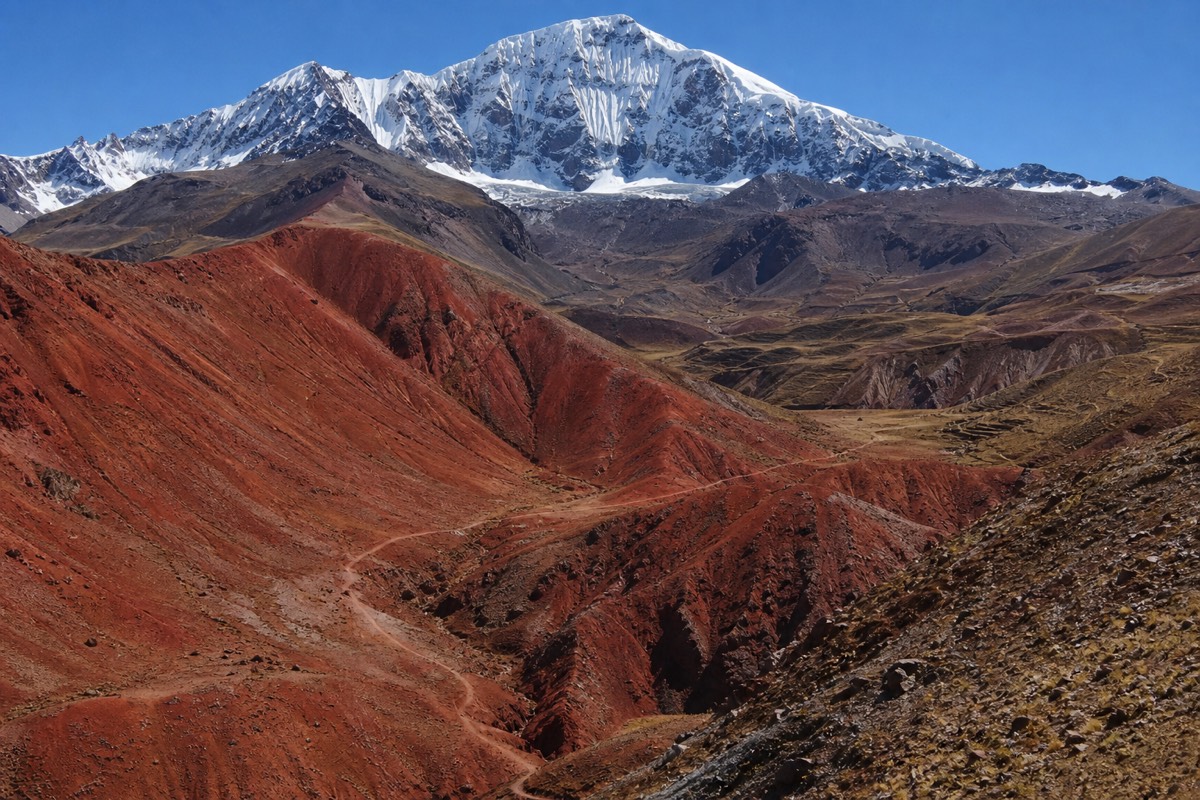
So which one is actually better?
Neither is objectively better because they aren't the same kind of trip: Rainbow Mountain is a strenuous high-altitude natural landscape you earn with a hike, while Machu Picchu is a UNESCO-listed ancient citadel you explore on foot with a guide, at a much gentler elevation. Comparing them head to head is a bit like comparing a national park to a historic city center. Both are worth seeing. They just ask completely different things of you and give back completely different rewards.
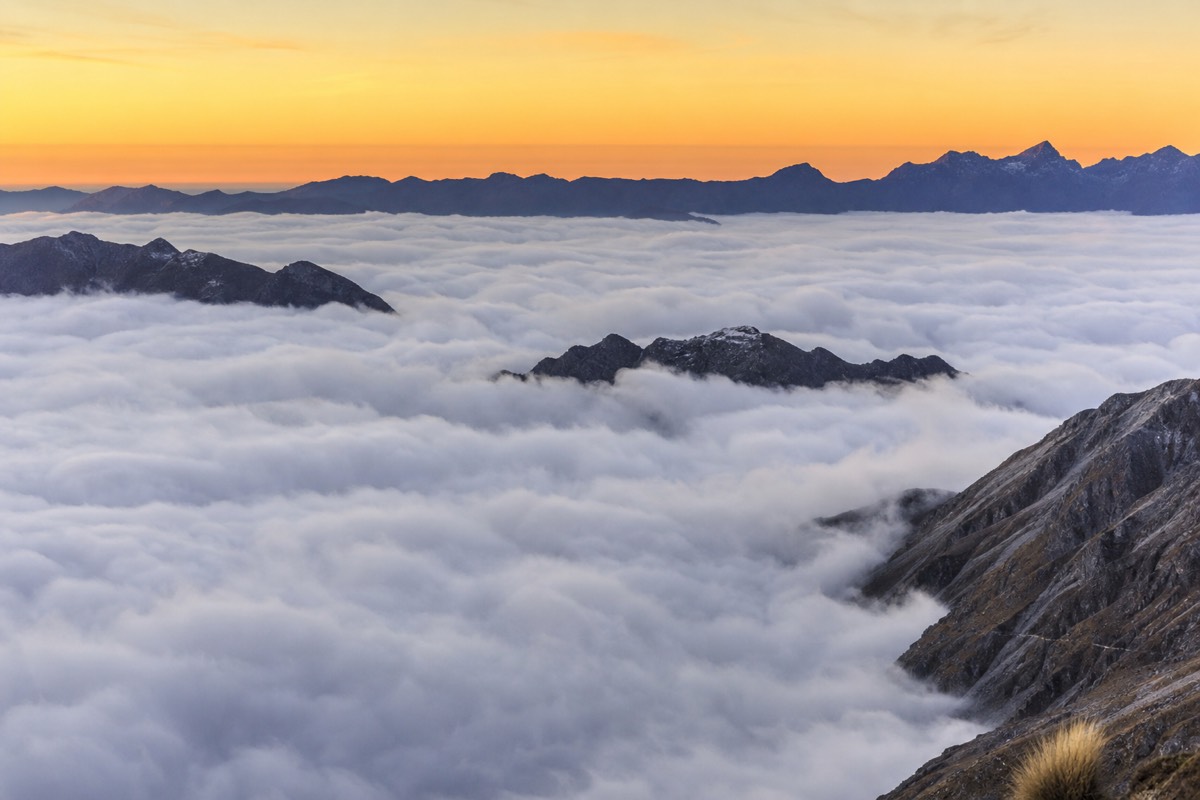
What's the real difference between the two?
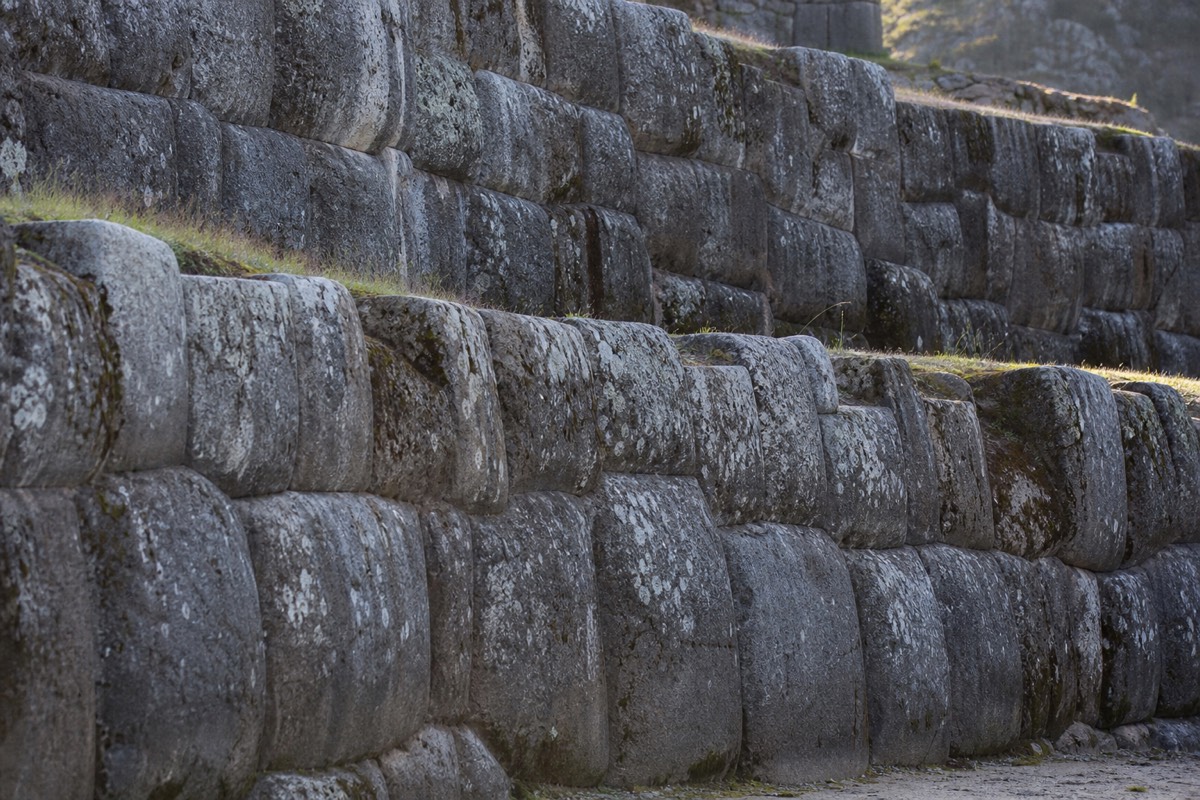
Rainbow Mountain is about the physical challenge and the payoff of a natural, mineral-striped landscape at extreme altitude; Machu Picchu is about walking through 15th-century Inca stonework that has survived more than 500 years, at an elevation that's actually lower than Cusco itself. Vinicunca's colored stripes are a genuine geological feature, layers of iron oxide and other minerals exposed by erosion, not a manufactured attraction. Machu Picchu, by contrast, is pure human history: an intact royal estate built without mortar, abandoned, and rediscovered centuries later.
| Rainbow Mountain | Machu Picchu | |
|---|---|---|
| Peak elevation | ~5,036 m | 2,430 m |
| Physical demand | High (altitude-driven hike) | Low to moderate (walking on stone paths) |
| What you're seeing | Natural mineral-striped mountain landscape | Ancient Inca citadel and terraces |
| Typical day length | 11-13 hours round trip from Cusco | 12-16 hours round trip from Cusco (train) |
| Approx. tour cost | From around $46 | From around $379 (train-inclusive full-day tour) |
Which one should you prioritize if you can only pick one?
If your trip is genuinely a one-shot Peru visit, Machu Picchu is the harder one to skip: it's a New 7 Wonders site with no real substitute anywhere else in the world, while Rainbow Mountain, striking as it is, is one very good example of Andean high-altitude scenery among several. That said, if altitude and strenuous hikes are exactly what draws you to Peru in the first place, and you've already built extra acclimatization days into your Cusco stop, Rainbow Mountain earns its reputation. It's not a lesser consolation prize, it's simply a different kind of highlight.
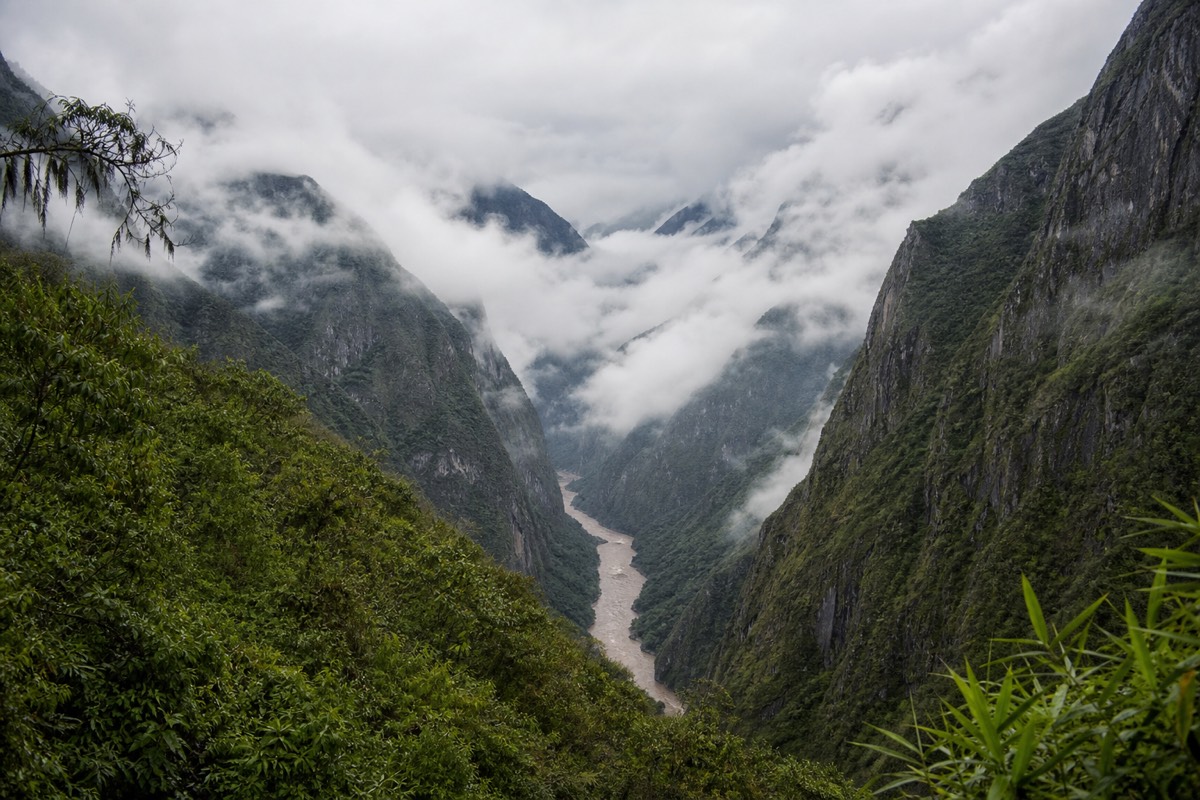
Most travelers with five or more days around Cusco end up doing both, usually with Machu Picchu as the centerpiece and Rainbow Mountain as an earlier or later day trip once they've acclimatized. If you're mapping out how those days fit together, our full Rainbow Mountain guide covers the altitude prep, hike difficulty, and timing in far more depth, and pairs naturally with a look at how Machu Picchu ticketing and circuits work before you lock in your itinerary.
Does the altitude difference actually matter day to day?
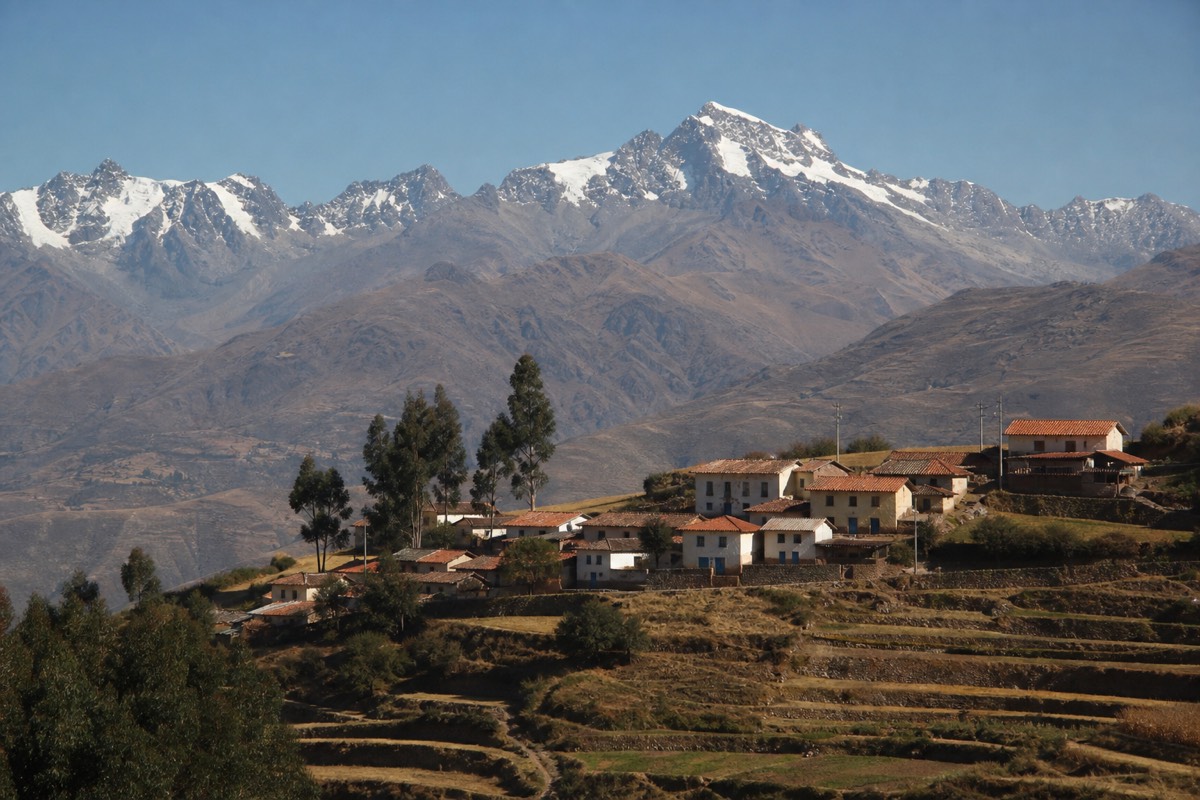
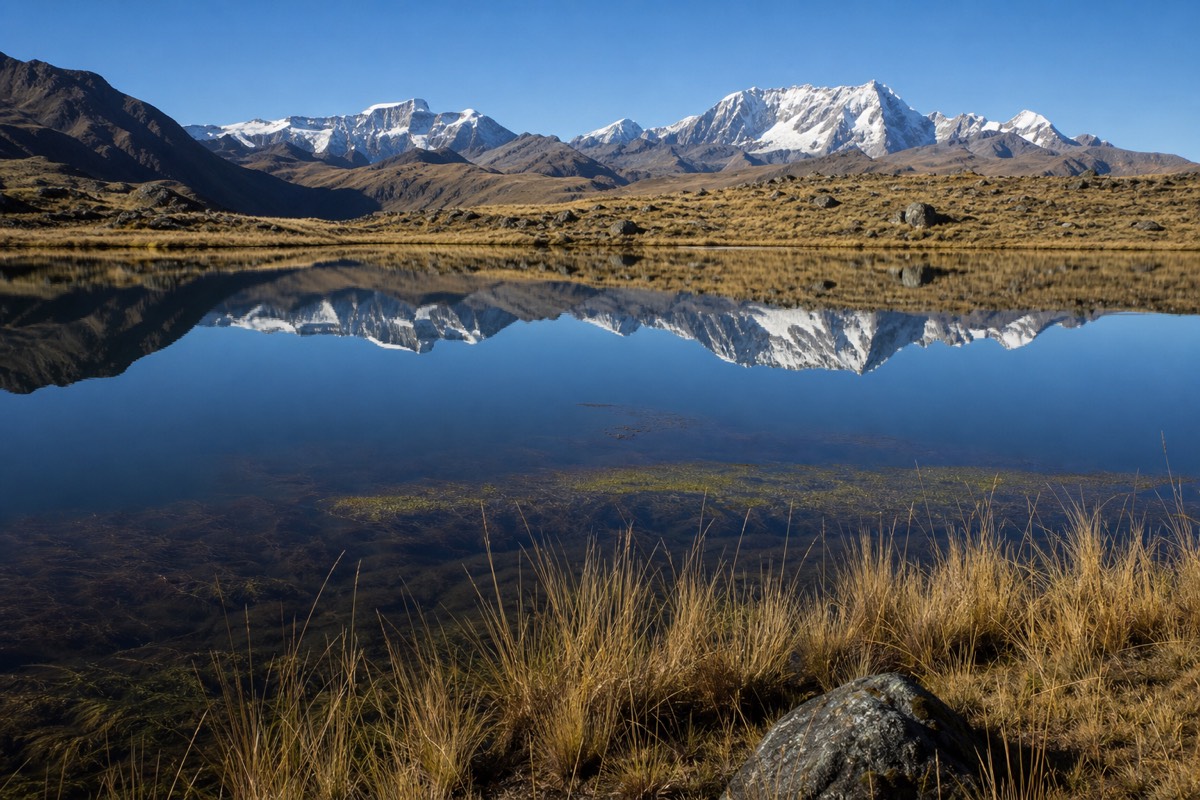
Yes, more than most travelers expect: Machu Picchu's lower elevation means it rarely triggers altitude symptoms, while Rainbow Mountain sits high enough that unacclimatized visitors regularly struggle, regardless of how fit they are at sea level. If you're trying to sequence a Peru itinerary sensibly, doing Machu Picchu earlier in your Cusco stay and Rainbow Mountain a day or two later, once you've banked some time at altitude, tends to make both days go more smoothly. Our altitude sickness guide for Cusco and Machu Picchu walks through what actually helps if you're worried about either day.
Choosing a lower destination does not establish medical suitability. Neither booking is a treatment for altitude symptoms.
What do people actually complain about when comparing the two?
The most common regret with Rainbow Mountain is going in without acclimatizing and having a miserable, breathless hike; the most common regret with Machu Picchu is not booking far enough ahead and missing the circuit or time slot they actually wanted. Neither complaint is really about the destination itself, both are planning issues that are entirely avoidable with a bit of lead time. Travelers who prepare properly for each, a couple of acclimatization days before Rainbow Mountain, an early ticket booking for Machu Picchu, tend to come away glad they did both rather than picking a favorite.
A smaller but real complaint about Rainbow Mountain specifically is disappointment when cloud cover mutes the colors on an unlucky day. That's simply a function of weather at high altitude and isn't something any operator can fully control, though early departures do meaningfully improve the odds of catching clear morning light before afternoon clouds build up.
What does each actually cost to book?
Rainbow Mountain day tours are considerably cheaper to book than Machu Picchu, largely because Machu Picchu's price includes train transport and a strictly regulated entrance ticket, while Rainbow Mountain's cost is mostly guide, transport, and meals. That price gap is worth factoring into how you budget your Cusco days, since doing both in the same trip means one significantly pricier day and one considerably more affordable one, not two similarly priced excursions.
Can beginners handle both in the same trip?
Yes, as long as the order and spacing are sensible: most operators and past travelers report better outcomes doing Machu Picchu first, since the train and bus access require far less physical effort, then attempting Rainbow Mountain once a few days of Cusco altitude exposure have banked some acclimatization. Reversing the order isn't dangerous, but it does mean tackling the harder day before your body has had time to adjust, which is exactly when altitude symptoms are most likely to show up. A gap of at least two full days between the two, with light activity in between rather than another strenuous hike, gives your body the best chance to recover from one before taking on the other.
Fitness level matters less than most travelers assume for either destination. Machu Picchu's day-tour version involves walking on established paths and stairs, well within reach of most reasonably active adults. Rainbow Mountain is the more demanding of the two by a wide margin, and the horse-assisted option exists specifically for travelers who want the summit view without the full hike, a detail covered in more depth in the dedicated Rainbow Mountain guide.
Build recovery and acclimatization into the trip; an operator booking alone does not make two demanding days appropriate.
How do photos from each actually compare?
Machu Picchu delivers the more universally recognizable photo, the citadel framed against Huayna Picchu, while Rainbow Mountain's reward is more weather-dependent but, on a clear morning, produces a color palette genuinely unlike anywhere else nearby. Neither is a guaranteed shot. Machu Picchu can be shrouded in cloud on a rainy-season morning, and Rainbow Mountain's stripes mute under flat light or heavy overcast. Travelers chasing photography specifically should build in flexibility on dates where possible, and treat an early departure time as non-negotiable for either destination, since the light in the first hour after each site opens is consistently the best of the day.
Either way, both trips are bookable directly through guided Peru tours out of Cusco, and neither has to come at the expense of the other if your schedule allows five or six days in the region.