Altitude Sickness in Cusco and Machu Picchu: What Actually Helps
Cusco sits higher than most travelers expect, and altitude sickness catches even fit hikers off guard in the first 24 hours. Here is what soroche actually feels like, why Machu Picchu itself is gentler on your body than the city you fly into, and which acclimatization habits are worth your time.
Booking choice: Travel directly from Cusco airport or accommodation to your Ollantaytambo hotel or train station. Explore Cusco to Ollantaytambo private transfer
Affiliate links: we may earn a commission when you book.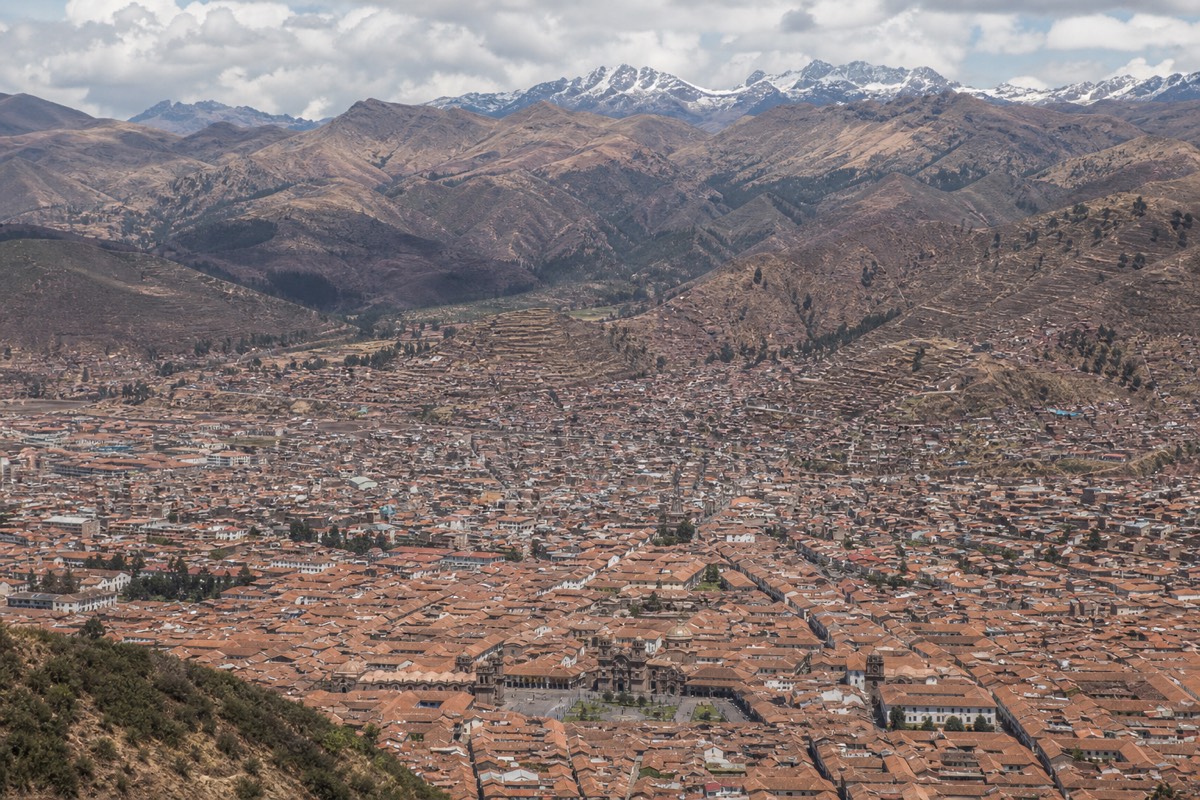
Elevation across the Cusco region
Elevations cross-verified across standard geographic references; Dead Woman's Pass matches the figure operators use for the classic Inca Trail itinerary.
The quick answer
Cusco sits at around 3,400 m (11,200 ft), higher than Machu Picchu itself at roughly 2,430 m (7,970 ft). Give yourself at least one full rest day in Cusco before anything strenuous, drink more water than feels necessary, and consider acetazolamide (Diamox) only after talking to a doctor before you travel.
That last part matters more than it sounds. Most guides you'll read online list a specific dose and move on. We are not going to do that here, because dosing is a medical decision that depends on your own health history, and the right source for it is a doctor who knows your chart, not a tour blog. What we can give you instead is the practical picture: what altitude sickness actually feels like, when it hits, what genuinely helps, and how to sequence a Cusco trip so the hardest days come after your body has had a chance to catch up.
None of this is meant to scare you off the trip. Soroche is common, well understood by every operator working in this region, and manageable for the vast majority of visitors who give it a day or two of respect.
What does soroche actually feel like, and when does it hit?
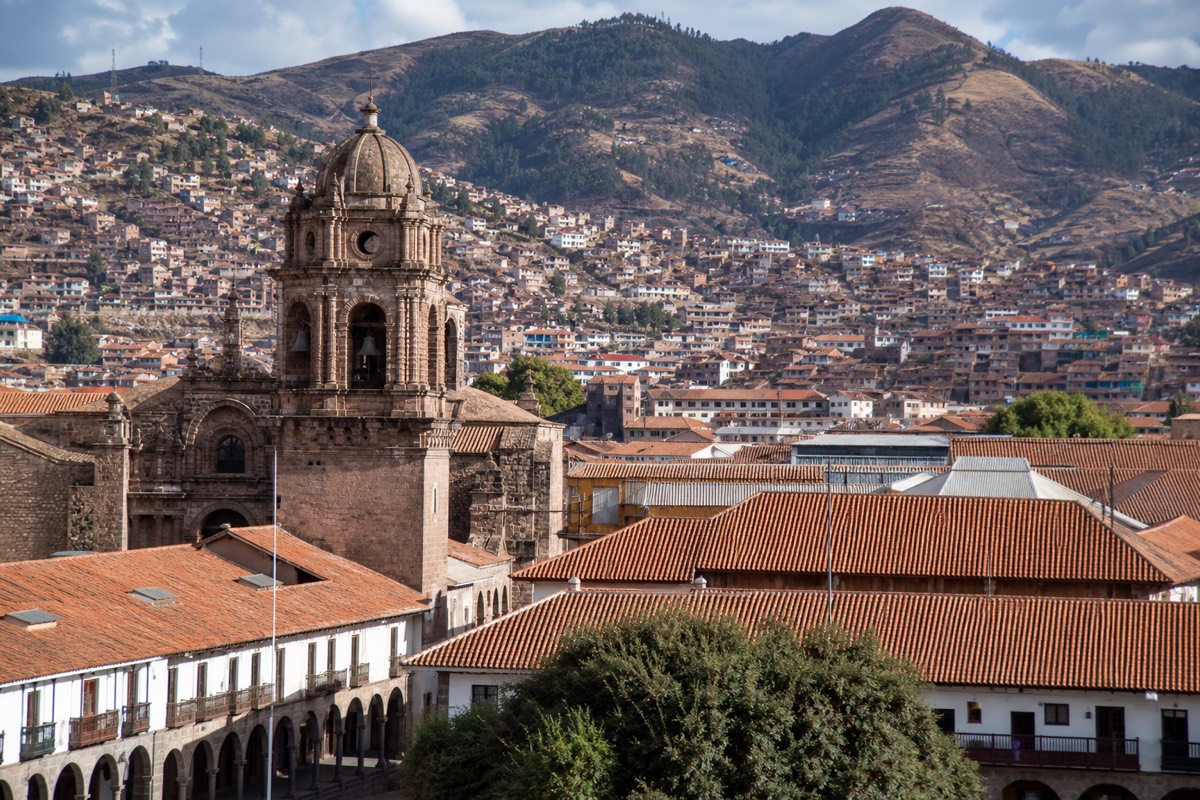
Soroche, the Quechua-rooted term Peruvians use for altitude sickness, usually shows up 6 to 24 hours after you arrive in Cusco, not immediately on landing. That delay catches people off guard: you step off the plane feeling fine, walk around the Plaza de Armas that afternoon, and wake up at 3 a.m. with a headache and a strange, shallow quality to your breathing.
The pattern is fairly consistent across travelers, which is why operators build a rest day into almost every itinerary that starts in Cusco. A mild headache is the most commonly reported first symptom, followed closely by fatigue that feels disproportionate to how little you've actually done that day, and a kind of breathlessness on stairs or slight inclines that wouldn't register at sea level.
| Timeframe | What you might feel | What to do |
|---|---|---|
| First 6-24 hours after arrival | Mild headache, fatigue, shortness of breath on stairs, disrupted sleep | Rest, hydrate, skip alcohol, eat light meals |
| Day 1-2 | Symptoms often peak: headache, mild nausea, dizziness | Coca tea, a mild pain reliever, keep activity light |
| Day 2-3 | Most people notice symptoms easing as the body adjusts | Gradually resume normal activity levels |
| Beyond day 3, symptoms worsening instead of improving | Not a routine soroche pattern | See a doctor; do not push through it |
Soroche typically resolves within about three days as your body increases its red blood cell production and adjusts its breathing rate to work with less oxygen per breath. If it is not improving by then, that is the signal to stop treating it as normal and get it checked out, rather than assuming another night's sleep will fix it.
It's also worth separating altitude symptoms from ordinary travel fatigue, since the two get blended together in most trip diaries. A long flight, a time zone shift, and a new environment all produce their own tiredness independent of elevation. What marks soroche specifically is the headache-plus-breathlessness combination, and the fact that it tends to worsen slightly before it improves, rather than simply fading with a good night's sleep the way jet lag does.
Symptoms need an appropriate health response, not an excursion booking. Do not ascend while unwell.
Why is Cusco actually harder on your body than Machu Picchu itself?
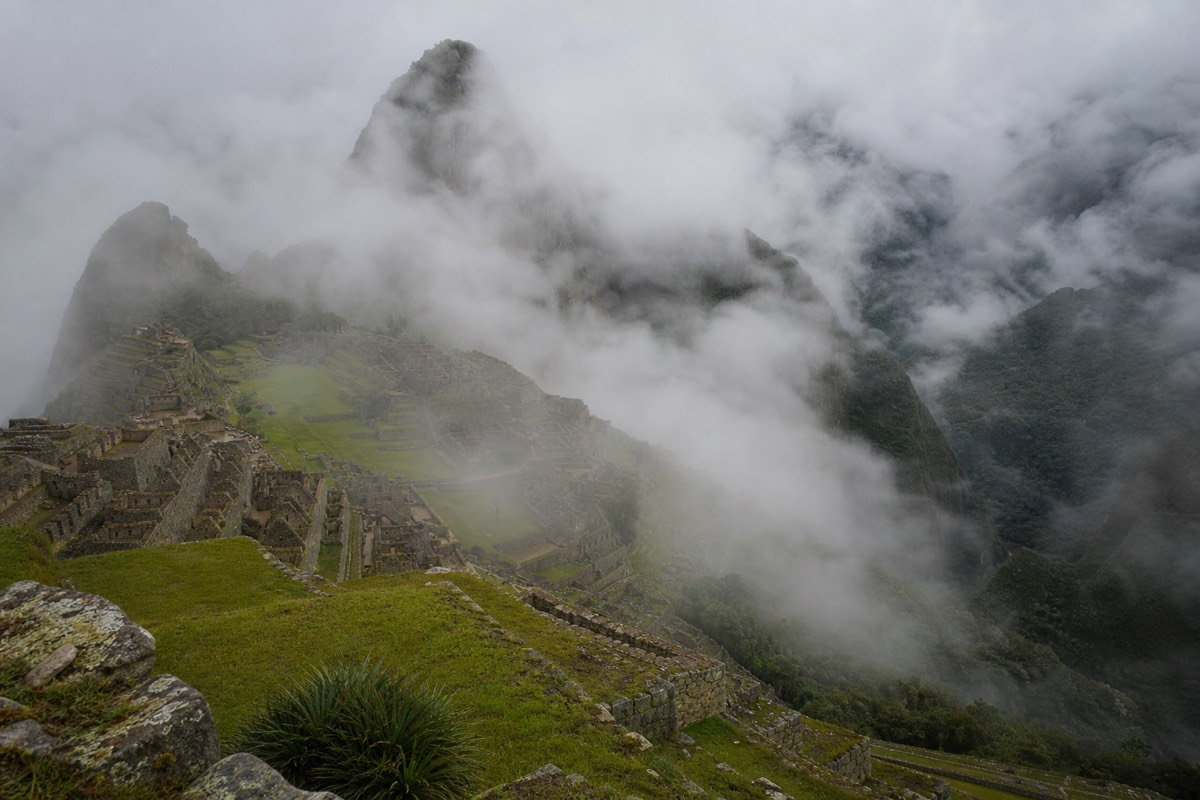
Machu Picchu sits around 970 meters lower than Cusco, at roughly 2,430 m versus Cusco's 3,400 m, which means the citadel most people fly to Peru for is genuinely gentler on the lungs than the gateway city they pass through to get there. It is one of the more counterintuitive facts about this trip, and one worth knowing before you land.
| Location | Elevation (meters) | Elevation (feet) | Notes |
|---|---|---|---|
| Lima | Sea level | 0 ft | Where most Peru itineraries begin |
| Machu Picchu | ~2,430 m | ~7,970 ft | Lower than Cusco; often the easiest elevation of the whole trip |
| Cusco | ~3,400 m | ~11,200 ft | Where most altitude symptoms actually start |
| Dead Woman's Pass (Inca Trail) | ~4,215 m | ~13,829 ft | The highest point of the classic 4-day trek |
| Rainbow Mountain summit | 5,036 m | 16,522 ft | The highest point most travelers reach in the region |
The practical takeaway: don't spend your acclimatization worry on the ruins themselves. Spend it on the days you're based in Cusco, since that's the elevation doing most of the work on your body. Many first-time visitors assume the opposite, bracing themselves for Machu Picchu and being caught off guard by how rough the first night in Cusco feels instead. If you'd rather sidestep the direct jump entirely, our Lima to Cusco routing guide covers a gentler alternative that stages the climb through lower Sacred Valley towns first, and our Sacred Valley guide covers those towns in more depth. One overland option worth knowing about here: Peru Hop's bus route works through Paracas, Huacachina, Nazca, Arequipa and Puno on the way to Cusco, so travelers who take it gain elevation gradually over several days instead of the roughly hour-long jump a direct flight makes. It's one legitimate way to arrive, not a claim that it prevents altitude sickness outright, and plenty of visitors still fly and simply plan around the harder landing.
A gradual way to gain the altitude instead of a one-hour flight Peru Hop's overland route climbs from sea-level Lima through Paracas, Huacachina and Nazca before working up through Arequipa and Puno on the way to Cusco, so your body gets several days to adjust instead of one abrupt jump. Hotel pickup and a bilingual host ride along at every stop. It won't guarantee you skip soroche entirely, and some legs like Nazca to Arequipa run long, but it's a real alternative for travelers who have the extra days and want a gentler ascent than flying direct.
How should you pace your first days in Cusco?
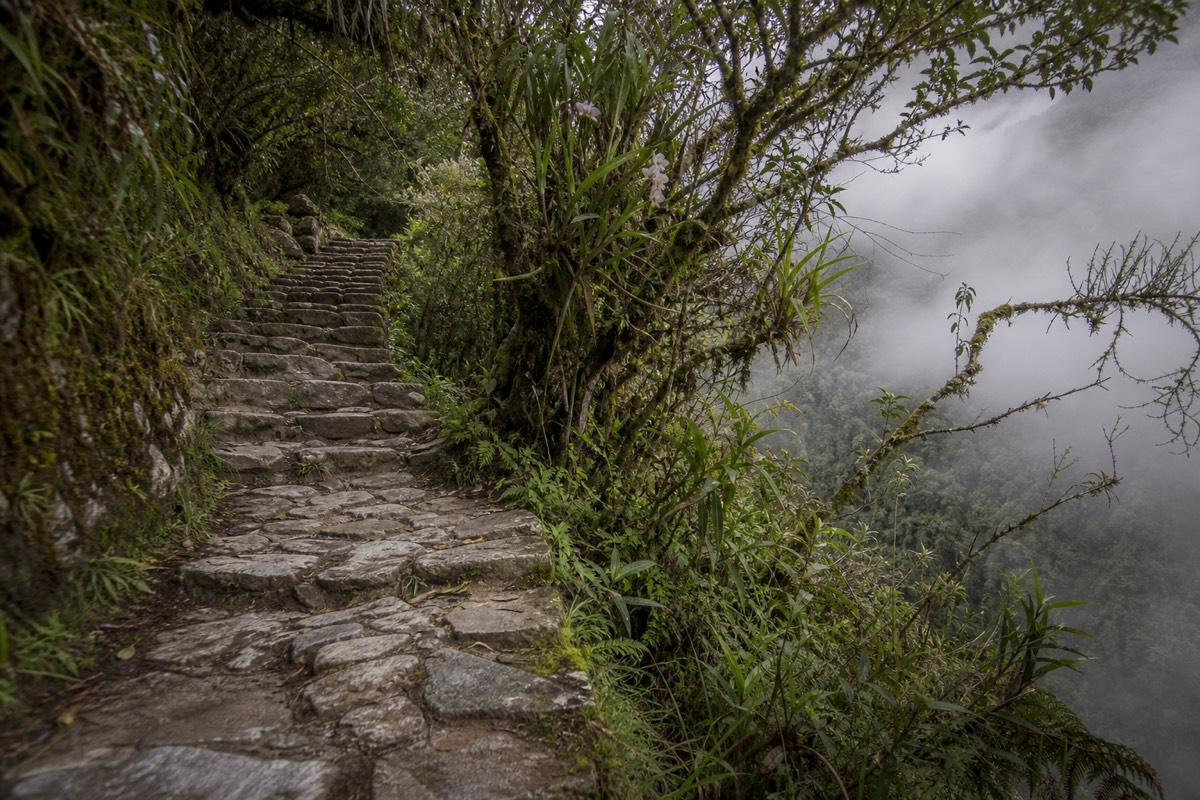
Plan on one full rest day before anything strenuous, a second day of light activity, and save the hardest excursions like Rainbow Mountain or the Inca Trail for day three or later. This is the single biggest lever you control, more than any tea or tablet, and it costs nothing but a bit of patience on day one.
| Day | Suggested activity | Why |
|---|---|---|
| Day 1 | Arrive, check in, a short walk around the Plaza de Armas, early night | Let your body register 3,400 m before demanding anything of it |
| Day 2 | An easy half-day city and ruins tour, plenty of water, no alcohol | Light activity aids circulation without over-exerting a still-adjusting body |
| Day 3 | A Sacred Valley day trip at lower elevation, or your first real hike | Most travelers report feeling noticeably better by this point |
| Day 4 onward | Rainbow Mountain, Inca Trail departure, or other high-altitude activity | Save the hardest days for after 2-3 nights at altitude |
If you're trying to figure out how many total days to budget for the wider trip, not just the acclimatization window, our guide to how many days you actually need in Cusco and Machu Picchu builds this pacing into full sample itineraries. The short version: cramming Rainbow Mountain or the Inca Trail into your first 48 hours in Cusco is the most common planning mistake we see, and it's an easy one to avoid just by looking at the calendar a little differently before you book.
Keep the first day flexible; a tour is not required for acclimatization.
What actually helps with altitude symptoms?
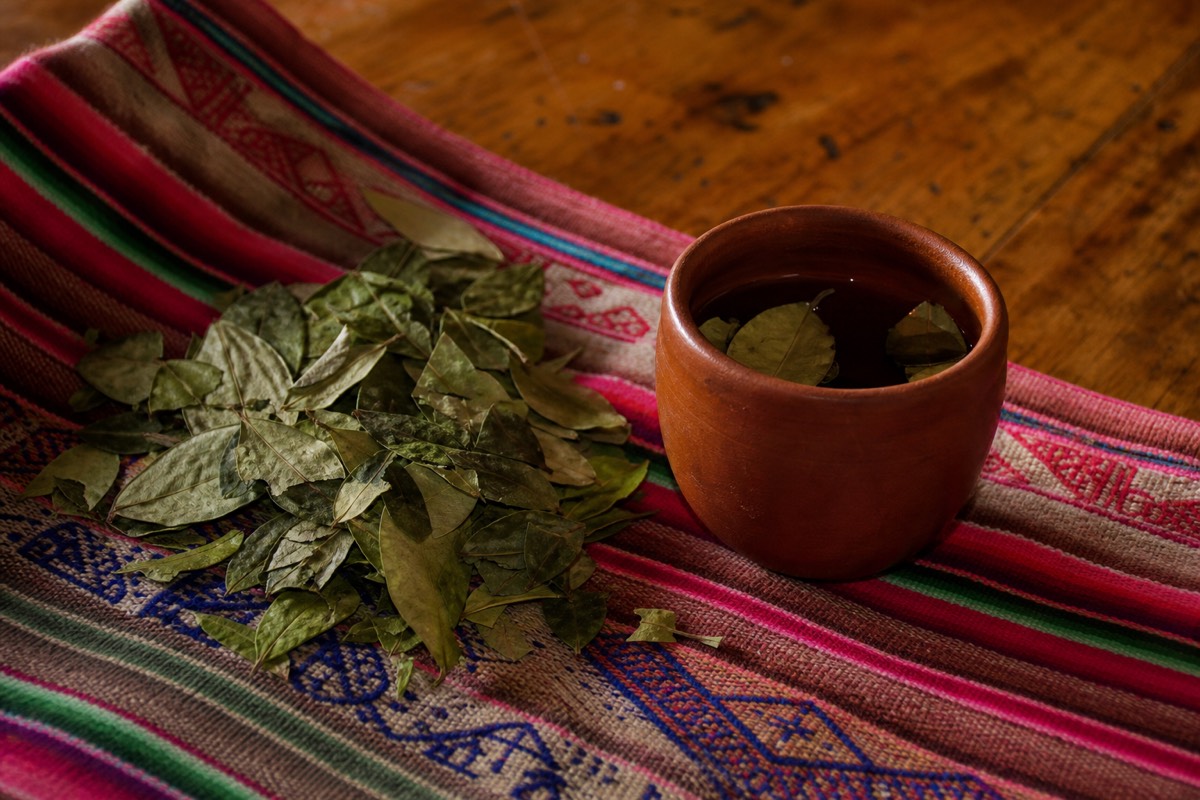
Hydration, rest, and a slow first two days do more for most travelers than any single remedy, though coca tea is a genuinely traditional and widely available option in Cusco worth trying alongside the basics. Some things marketed as fixes barely move the needle; a few habits that sound boring do most of the real work.
| Approach | What we know about it |
|---|---|
| Coca tea | A traditional Andean remedy offered almost everywhere in Cusco, from hotel lobbies to trailhead stalls; many travelers find it eases mild headache and nausea, though it is not a substitute for water and rest |
| Hydration | Dehydration compounds altitude symptoms; drink noticeably more water than you would at home, and go easy on coffee |
| Rest and light activity on day 1-2 | Gives your body time to raise its breathing rate and red blood cell count before you ask more of it |
| Acetazolamide (Diamox) | Some travelers take it as a preventive measure, but only after a conversation with a doctor before the trip; this is not a decision to make at a Cusco pharmacy counter |
| Alcohol on your arrival night | Worth skipping; it dehydrates and can mask or worsen early symptoms |
| A hike or trek booked for day one | The most common mistake we see; it turns what would have been mild soroche into a genuinely rough day |
Cusco pharmacies also sell over-the-counter remedies marketed specifically at altitude symptoms, generally as tablets combining a mild pain reliever with other ingredients aimed at nausea and headache. Ask the pharmacist directly what's in a given product and whether it's appropriate for you, rather than assuming packaging alone tells the full story, especially if you're already taking other medication.
Food matters more than people expect too. Heavy, fatty meals on your first night ask more of a body that's already working harder just to breathe; lighter meals, more carbohydrates, and less alcohol in the first 48 hours are a small adjustment that adds up. Sleep can also be genuinely disrupted at altitude even without other symptoms, a phenomenon sometimes called periodic breathing, where breathing rhythm shifts overnight. It's uncomfortable but not dangerous on its own, and it tends to settle by the second or third night in the same way other soroche symptoms do.
No listed product treats altitude illness or substitutes for medical care.
Who is at higher risk for altitude sickness?
Altitude sickness can affect anyone regardless of age or fitness, but flying in directly from sea level, a prior history of soroche, and underlying respiratory or heart conditions all raise the odds of a rougher adjustment. None of these should keep you home; they just change how much buffer you should build in.
| Factor | Why it matters |
|---|---|
| Flying directly from sea level (e.g. from Lima) | Zero time to adjust before landing at 3,400 m; see our Lima to Cusco logistics guide for a staged alternative |
| A prior reaction to altitude | Past soroche is a reasonably good predictor of future soroche |
| Respiratory or cardiac conditions | Worth a pre-trip conversation with a doctor, especially before booking Rainbow Mountain or the Inca Trail |
| Heavy exertion or alcohol in the first 24 hours | Both add strain to a body that is already working harder to breathe |
| Fitness level back home | Being fit helps with stamina but does not meaningfully protect against soroche itself; plenty of marathon runners get hit hard |
That last row surprises people the most. Altitude tolerance has more to do with individual physiology than with how many miles you can run at sea level, which is part of why the same acclimatization advice applies whether you're training for a marathon or you haven't exercised in months. It's genuinely one of the few areas of trip planning where fitness isn't the deciding factor.
Individual risk cannot be assessed by this trip selector.
What warning signs mean you need medical attention?
Mild headache, fatigue, and shortness of breath on exertion are normal soroche; confusion, difficulty walking straight, or shortness of breath at rest are not, and warrant descending and seeing a doctor immediately. Cusco's clinics see this constantly and are well set up to handle it, so there's no need to hesitate about getting checked.
| Level | Signs | Action |
|---|---|---|
| Mild (common) | Headache, mild nausea, fatigue, shortness of breath on exertion | Rest, hydrate, coca tea, a mild pain reliever |
| Moderate | Worsening headache, vomiting, dizziness, poor sleep | Stop any ascent, rest at current altitude, monitor closely |
| Severe (rare, urgent) | Confusion, trouble walking a straight line, gurgling breathing, blue-tinged lips or fingertips, breathlessness at rest | Descend immediately and get medical attention; these can signal high-altitude pulmonary or cerebral edema |
The severe category is genuinely rare among short-stay travelers who pace themselves reasonably, but it is exactly why the "push through it" instinct is the wrong one at altitude. Guides leading treks through this region are trained to recognize these signs in clients and will turn a group back or arrange a descent rather than let symptoms escalate, which is one of the real, practical benefits of trekking with an experienced operator instead of going it alone on the harder routes.
Serious symptoms require urgent medical attention; do not use an ordinary tourist transfer as emergency transport.
What does a realistic first 24-48 hours in Cusco actually feel like?
A typical first day looks like mild fatigue and a slightly quickened heartbeat on the walk from the airport to your hotel, followed by a dull headache that builds through the evening and eases by the second morning. It's rarely dramatic, but it's rarely nothing either.
Landing itself is usually fine; the elevation hits more as a slow build than an immediate wall. Most travelers describe the first few hours as feeling oddly winded doing ordinary things: climbing a flight of stairs to a hotel room, walking uphill on Cusco's steep cobblestone streets, or even just talking animatedly. By evening, a headache is common, often described as a dull band across the forehead rather than a sharp pain. Appetite tends to dip too, so a big dinner on arrival night is rarely a good idea even if the hotel restaurant looks appealing.
The second morning is where most people notice real improvement: the headache from the night before has usually faded to nothing or close to it, breathing feels less effortful, and appetite returns. This is roughly the point where a Cusco city tour becomes genuinely comfortable rather than something to push through. By day three, most travelers report feeling essentially normal, save for perhaps still noticing breathlessness on a genuinely steep climb.
What about children, older travelers, or pregnancy at altitude?
Altitude sickness affects children and older travelers the same general way it affects anyone else, but any of these situations, along with pregnancy, are worth a specific pre-trip conversation with a doctor rather than assuming standard advice applies without adjustment. None of the general acclimatization guidance in this guide changes fundamentally, but the margin for error is smaller.
Children can have a harder time articulating early symptoms, so parents traveling with kids often find it useful to ask directly and often how they're feeling in the first two days, rather than waiting for a child to volunteer a headache unprompted. Older travelers, particularly those with any cardiac or respiratory history, benefit the most from the conservative pacing described throughout this guide: a genuine rest day, real hydration, and no first-day hikes. Pregnancy adds another layer that's outside the scope of general travel advice entirely; a treating physician familiar with the pregnancy is the right person to weigh in before booking any high-altitude activity, not a blog post.
Age alone isn't a disqualifier for a Machu Picchu trip specifically, since the citadel itself sits at a lower, gentler elevation than Cusco and the visit involves walking rather than strenuous exertion. We've answered the accessibility side of that question directly in whether a 70-year-old can visit Machu Picchu, which covers pacing, circuit choice, and what the walking actually involves in more practical detail.
Pregnancy, age and childhood health questions require individual medical advice.
Does descending actually help, and how much?
Descending to a lower elevation is the most reliable way to relieve altitude symptoms that aren't improving with rest, and even a partial descent, say from Cusco to a Sacred Valley town at around 2,800 m, can meaningfully ease moderate symptoms without needing to leave the region entirely. It's the one intervention that works essentially every time, which is why it's the default recommendation once symptoms move past mild.
This is part of why routing through the Sacred Valley isn't just a preventive strategy; it can also function as a real-time fix if Cusco is hitting you harder than expected. A traveler who spends their first night in Cusco feeling rough has a genuine, practical option: move down into the valley for a night rather than trying to power through at 3,400 m. Noticeable relief from moderate symptoms after descending a few hundred meters is common within hours, not days.
For the full breakdown of flights, buses and Peru Hop's overland pass side by side, including how each one affects this exact acclimatization question, see our full guide to getting around Peru.
For illness requiring descent, arrange appropriate medical support. The tourist transfer is not an evacuation service.
Can you "pre-acclimatize" before you even leave home?
Spending time at moderate elevation in the weeks before your trip can give a small head start, but for most travelers flying in from sea level, the practical acclimatization still has to happen in Cusco itself; there's no substitute for the actual days spent at altitude once you arrive. If you happen to live somewhere with real elevation, that's a genuine bonus rather than something worth arranging specially.
Physical fitness training beforehand helps with stamina for the hikes themselves but, as covered above, doesn't meaningfully change how your body responds to reduced oxygen. The most useful pre-trip preparation is less about the body and more about the itinerary: building in the rest day, discussing medication with a doctor if you're considering it, and simply going in with realistic expectations about the first 48 hours.
Pre-acclimatization is not a service included with these tours.
How does altitude change specific Cusco-area activities?
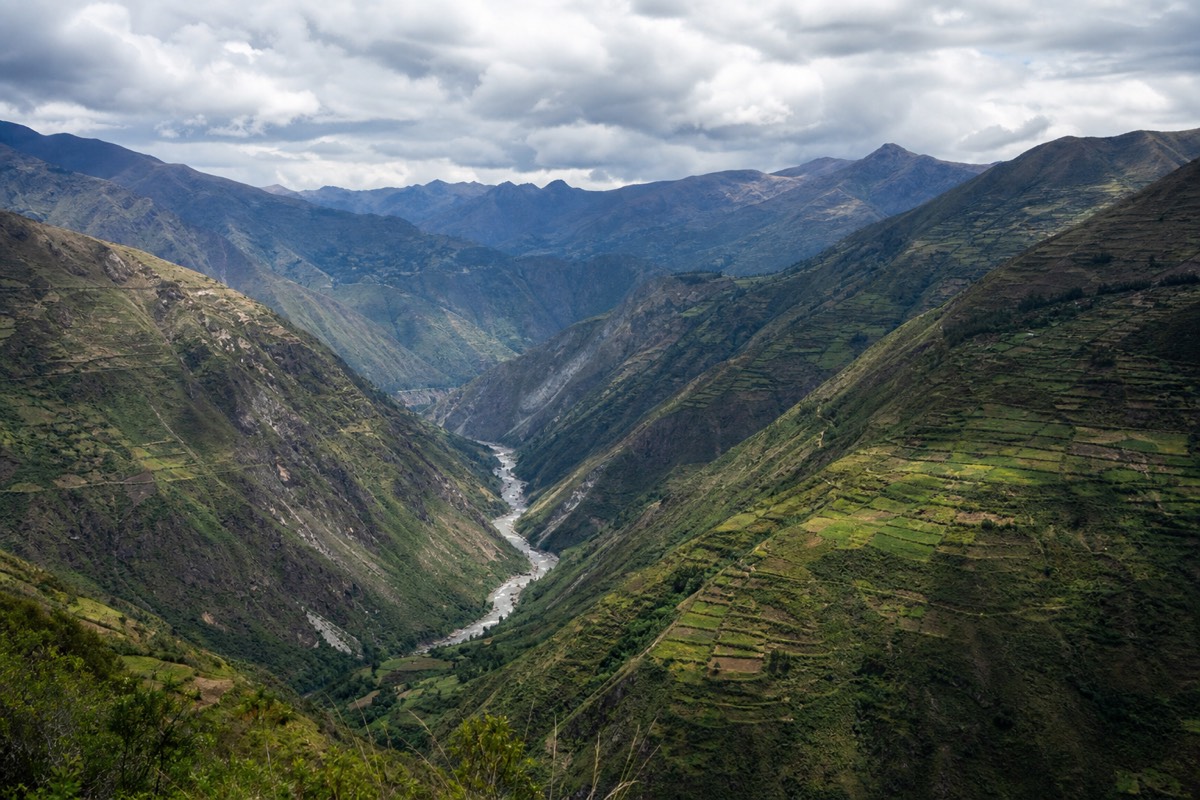
Rainbow Mountain is the most physically demanding common day trip in the region at 5,036 m, while the Machu Picchu citadel itself, at roughly 2,430 m, is genuinely the easiest elevation of the whole trip. Knowing this ahead of time helps you sequence a multi-day Cusco stay sensibly instead of guessing at it.
| Activity | Peak elevation | What altitude means for you |
|---|---|---|
| Cusco city tour (Sacsayhuaman and nearby ruins) | ~3,400-3,700 m | Gentle walking pace on uneven ground; manageable even mid-acclimatization |
| Sacred Valley day trip | ~2,800-3,500 m | Actually a decent acclimatization day, since some Sacred Valley towns sit lower than Cusco; see our Sacred Valley guide |
| Rainbow Mountain | 5,036 m | Save it for after at least two nights in Cusco, never day one |
| Inca Trail (Dead Woman's Pass) | 4,215 m | The trek's hardest single day; see our Inca Trail permits guide for how the booking window naturally builds in lead time |
| Machu Picchu citadel | ~2,430 m | The easiest elevation of the whole trip, and often a relief after Cusco |
None of this is meant to talk you out of the harder days. It is meant to help you sequence them. A trekking guide leading dozens of groups a year through Rainbow Mountain will tell you the same thing: the people who struggle most are usually the ones who arrived from Lima the night before and tried to summit the next morning, not the people who took two days to settle into Cusco first.
Do hotels in Cusco offer supplemental oxygen?
Many higher-end hotels in Cusco offer oxygen-enriched rooms or bottled oxygen available on request, a real amenity in a city where altitude complaints are a routine part of hospitality rather than an edge case. It's worth asking about when booking if you know you're prone to altitude symptoms or simply want the reassurance.
This isn't a substitute for the pacing advice throughout this guide, more a supplementary option for a rough first night. Front desk staff across Cusco are generally well practiced at handling altitude complaints and can usually point you toward a pharmacy or a doctor, or simply reassure you about what's normal versus what's worth escalating, which is a genuinely useful, underused resource for first-time visitors unsure whether what they're feeling warrants concern.
For general trip background beyond altitude specifically, our full lineup of guided Peru tours spans everything from half-day Cusco excursions to multi-day treks, each built around the same acclimatization logic described here. Cusco's elevation is well documented; see Cusco's elevation on Wikipedia and Vinicunca (Rainbow Mountain)'s elevation for the underlying reference figures used throughout this guide.
No selected booking guarantees hotel oxygen or medical supervision.