Can a 70-Year-Old Visit Machu Picchu?
Yes, with real caveats worth knowing before you book. The train-and-bus route means no trekking is required, but the citadel itself still involves stairs, uneven stone, and no wheelchair access to most areas.
Booking choice: Pair the Machu Picchu visit with a panoramic rail option and lunch. Explore Machu Picchu panoramic train day
Affiliate links: we may earn a commission when you book.
The quick answer
Yes, most 70-year-olds in reasonably good health can visit Machu Picchu without hiking, by taking the train to Aguas Calientes and the shuttle bus up to the entrance. No trekking is required for this route. Once inside, though, expect stairs, uneven stone paths, and no wheelchair access to most of the ruins, so pacing and footwear matter more than fitness level for most older travelers.
What does the easiest route to Machu Picchu actually involve?
The standard non-trekking route is a bus or train transfer from Cusco to Ollantaytambo, a scenic train to Aguas Calientes, and then a 25-minute shuttle bus ride up the mountain to the entrance gate, no walking uphill required. This is how the large majority of visitors of any age reach Machu Picchu, not just older travelers.
A guided day tour like the Cusco to Machu Picchu Full-Day Group Tour or the Machu Picchu Full-Day Train Adventure handles this entire chain of transfers as one booking, which removes a lot of the logistical stress of coordinating buses and trains solo. It's worth being honest about the day's overall length, though: these tours typically run 12 to 16 hours door to door, with an early pickup often before 5:00 AM, which is a longer day than the walking itself.
What's the walking actually like once you're inside?
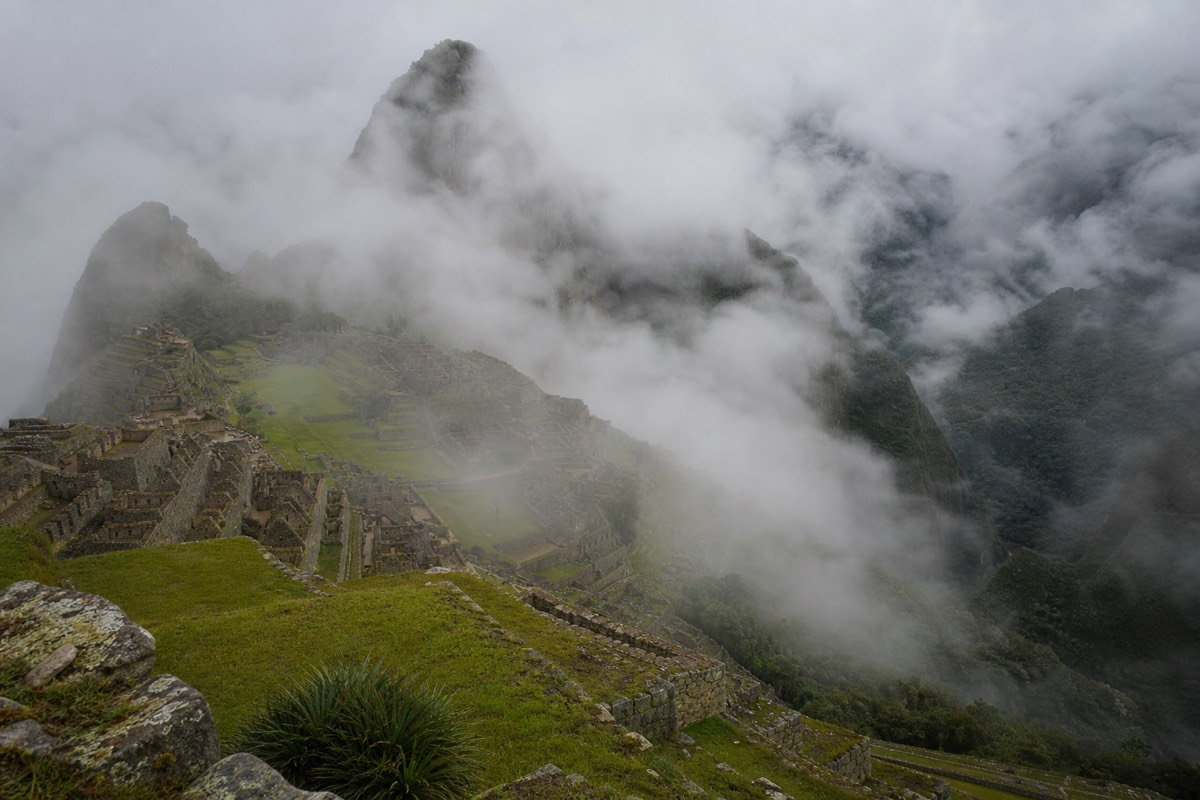
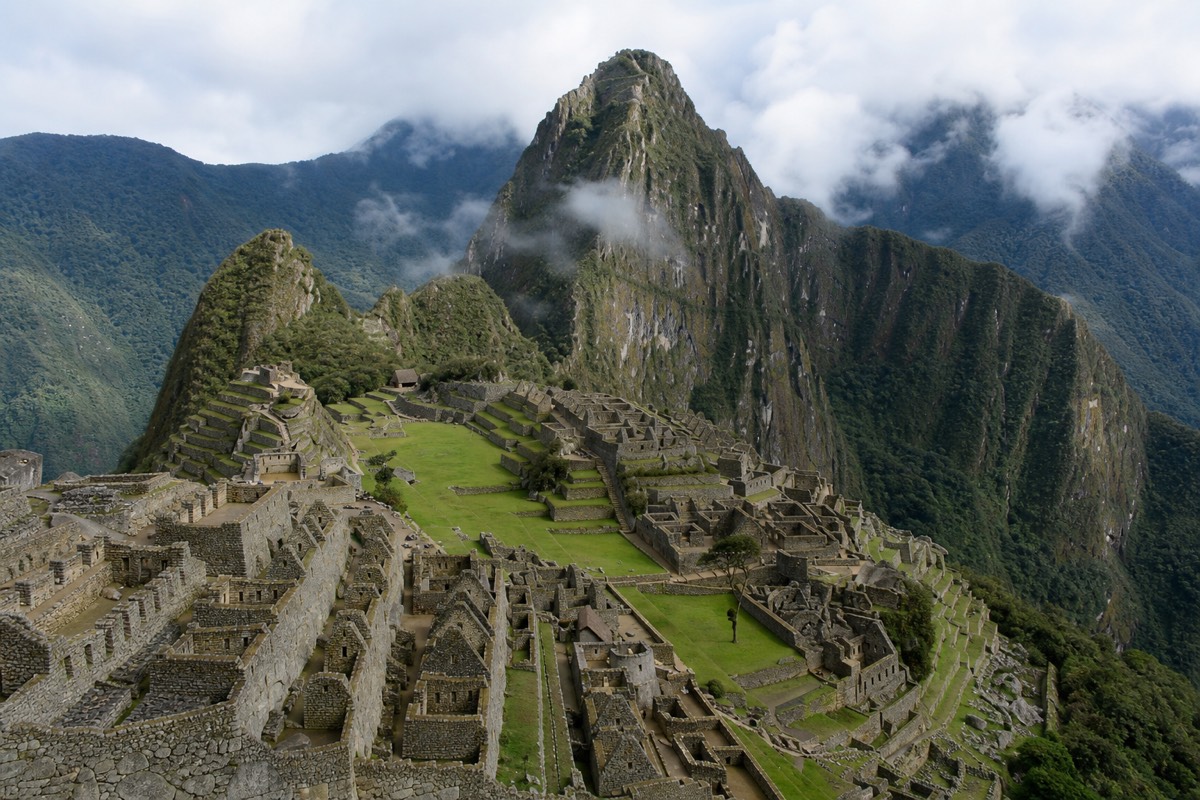
Inside the citadel, expect stone stairs, narrow terraced paths, and uneven ancient surfaces throughout, with no wheelchair or mobility-device access to most of the ruins. A guided tour typically covers the main sector in about 2 to 3 hours at a walking pace set by the group, with the option to sit and rest at several points along the route.
Do not choose a circuit solely because it is described as panoramic. Walking distance, terraces and stairs differ by sub-route; obtain the exact route before booking when mobility is a concern. A group rail tour does not establish step-free access or an individually adaptable pace. Wear supportive shoes with good grip on uneven stone.
These group departures do not establish a step-free route or individually adaptable walking pace. Specific mobility needs require a verified accessible itinerary.
What about altitude? Is that the bigger risk?
Genuinely useful fact: Machu Picchu itself sits at about 2,430 meters (7,970 ft), noticeably lower than Cusco at roughly 3,400 meters (11,200 ft), so the citadel is actually less of an altitude risk than the gateway city most visitors fly into first. The dangerous window for altitude sickness is typically the first day or two in Cusco, not the day at Machu Picchu.
Standard advice applies at any age: spend a day or two acclimatizing in Cusco before any strenuous activity, stay hydrated, and go easy on alcohol early on. Some travelers take acetazolamide (Diamox) as a preventive measure, though you should consult a doctor before your trip rather than self-dosing based on online advice. See the fuller altitude sickness in Cusco guide for more on what actually helps versus what's folklore.
A tour booking cannot establish medical fitness for altitude. Discuss health concerns with a clinician before choosing a departure.
Practical tips for an older traveler's Machu Picchu day
- Choose Circuit 1 or discuss circuit options with your guide in advance if stairs are a concern
- Bring a walking stick or trekking pole; many guides carry spares and staircases can be steep in short bursts
- Pack layers: mornings at the citadel are cool and misty, and it warms quickly once the sun clears the peaks
- Build in rest days in Cusco before your Machu Picchu day, both for altitude and for general trip pacing
- If a full 12-16 hour tour day feels long, ask your operator about overnight options in Aguas Calientes to split the trip across two calmer days
None of this rules out a trek-based route either, for travelers who are still strong hikers; the point is simply that the standard train-and-bus route was never designed around trekking fitness, and most people well into their seventies and beyond do it comfortably every year.
Should an older traveler take a group tour or go independently?
A guided group tour genuinely simplifies the logistics for an older traveler more than it does for a younger one, since it removes the coordination burden of matching a train time to a circuit entry slot to a bus queue, all while managing an already long day. A tour like the Cusco to Machu Picchu Full-Day Group Tour handles hotel pickup, the bus to Ollantaytambo, the train, the shuttle up to the citadel, and the guided walk itself as one coordinated day, with a guide present to set a manageable pace and answer questions about footing or rest stops along the way.
Independent travel is entirely possible too and some travelers prefer the flexibility of setting their own schedule rather than following a group's pace. If going independently, the main adjustment worth making is booking a later morning entry slot rather than the earliest one, since early slots often mean a very early Cusco pickup (sometimes before 5:00 AM) stacked on top of a long day, which can be more fatiguing than the walking itself.
The same comfort-first logic applies to the legs of the wider trip outside Machu Picchu itself: for older travelers connecting Lima, Arequipa, Puno and Cusco who would rather skip bus terminals and street taxis with luggage, the Peru Hop hop-on hop-off bus offers hotel-door pickup, mostly daytime legs, and a bilingual local host on board, a more comfortable option than a long direct overnight bus for anyone who values that over the cheapest single seat. See our full guide to getting around Peru for how the legs fit together.
What does a realistic day actually feel like?
Expect an early start, a multi-hour transfer by bus and train, a shuttle ride up the mountain, then two to three hours of guided walking on uneven stone terrain before the return journey. The whole day typically runs 12 to 16 hours door to door, which is worth being honest about: the walking inside the citadel is genuinely manageable for most older travelers, but the length of the overall day, not the difficulty of the walk itself, is often what people underestimate going in.
Building in rest the day before and the day after, rather than stacking Machu Picchu between two other demanding activities, makes a real difference to how the day feels in hindsight. Bringing snacks and water for the train legs, wearing broken-in shoes rather than new ones, and pacing water intake for the altitude are simple adjustments that matter more than general fitness level for a smooth day. For travelers weighing how much time to allow around the visit itself, the how many days in Cusco and Machu Picchu guide covers pacing a broader Peru itinerary sensibly, and this site's guided Peru tours include several operators experienced with older or slower-paced groups.