Machu Picchu by Train: Inca Rail vs. PeruRail Explained (2026)
Two private companies run trains to Machu Picchu, PeruRail and Inca Rail, over essentially the same track. The choice isn't about which railway is better, it's about which service tier and departure station fit your budget and your itinerary. Here's the honest breakdown.
Booking choice: Combine Expedition rail, buses and a guided Machu Picchu visit in one day. Explore Machu Picchu by Expedition train
Affiliate links: we may earn a commission when you book.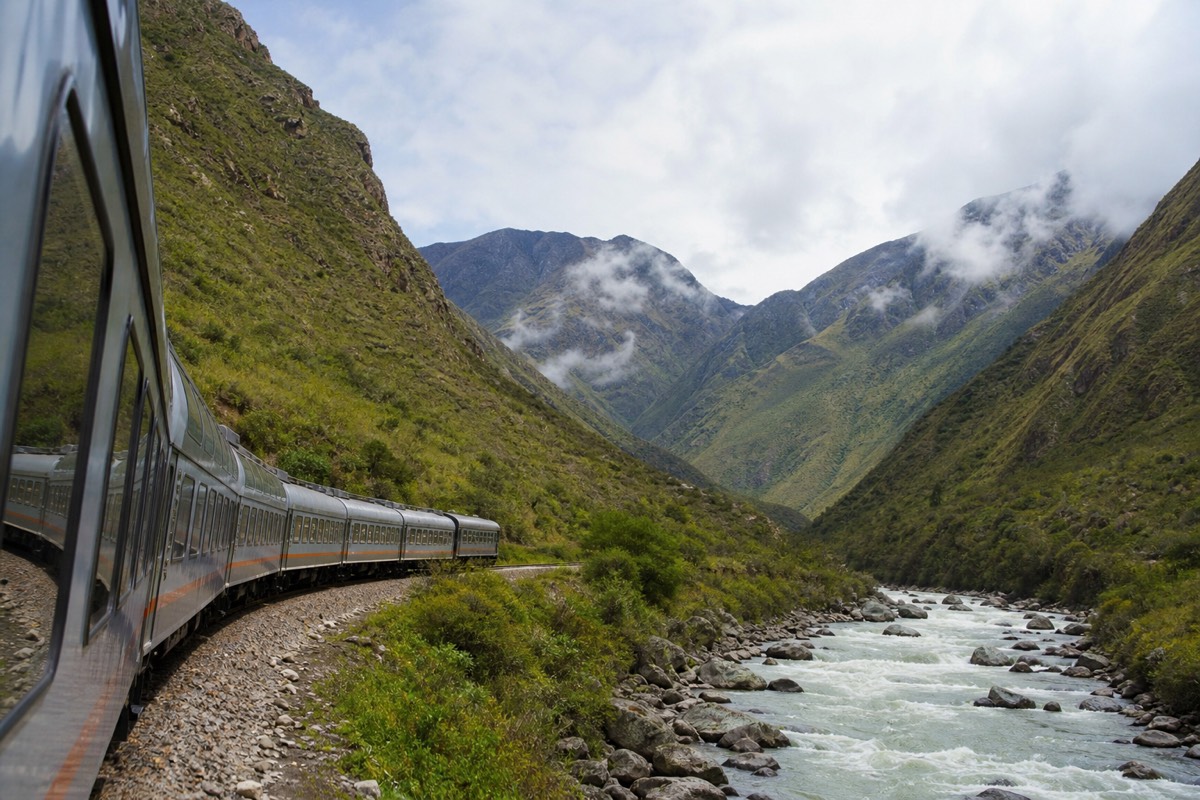
PeruRail vs. Inca Rail: the tiers, roughly stacked by price
Approximate 2026 fare ranges compiled from each operator's own published tier listings; confirm current pricing directly on perurail.com and incarail.com before booking.
The quick answer
PeruRail and Inca Rail run the same Ollantaytambo-to-Aguas Calientes route in about the same 1h45m, so pick based on service tier and price, not the operator name. Budget travelers should look at PeruRail's Expedition or Inca Rail's Voyager (both roughly $80 round trip); most visitors land on Vistadome or 360° (roughly $140-180) for the glass-roof panoramic views; and travelers wanting a full dining experience consider PeruRail's luxury Hiram Bingham service.
Do PeruRail and Inca Rail run different routes?
No. Both companies operate on the same physical rail line between the Sacred Valley and Aguas Calientes, the gateway town below Machu Picchu, and the core Ollantaytambo route takes about 1 hour 45 minutes either way. Neither operator has an exclusive track or a faster physical route to the same destination.
Both also run a seasonal departure from Cusco itself (Poroy station for PeruRail, and Inca Rail from the same area), typically available May through December, which adds roughly an hour of extra travel time compared to starting from Ollantaytambo but saves the early transfer out of Cusco. Most travelers doing a day tour, like the Machu Picchu Full-Day Train Adventure, start from Ollantaytambo by bus and pick up the train there, since it's the shorter, more reliable leg regardless of season.
What are PeruRail's service tiers?
PeruRail runs four tiers: Expedition (cheapest, roughly $80 round trip), Vistadome (roughly $140-180, glass-roof panoramic cars), Sacred Valley (roughly $280-350), and the luxury Hiram Bingham (roughly $500-600, with gourmet dining and live entertainment). The gap between tiers is mostly about window size, seating comfort, and onboard extras, not travel time.
| Tier | Approx. price (round trip) | What's different |
|---|---|---|
| Expedition | Roughly $80 | Standard windows, basic snack service, most affordable option |
| Vistadome | Roughly $140-180 | Glass roof panels and larger windows for panoramic Andes views |
| Sacred Valley | Roughly $280-350 | Upgraded lounge-style seating, more spacious cars |
| Hiram Bingham | Roughly $500-600 | Full gourmet dining, bar car, live music, includes Machu Picchu entrance and guided tour in some packages |
Confirm exact current fares directly at perurail.com, since pricing shifts by season and route origin (Ollantaytambo fares run lower than the longer Cusco/Poroy departures).
What are Inca Rail's service tiers?
Inca Rail runs three main tiers: Voyager (roughly $80, comparable to PeruRail's Expedition), 360° (roughly $140-180, panoramic windows), and First Class (roughly $90+ one-way, a smaller premium cabin). Inca Rail is the newer of the two companies and markets itself on slightly more modern car interiors.
| Tier | Approx. price | What's different |
|---|---|---|
| Voyager | Roughly $80 round trip | Standard seating, budget tier |
| 360° | Roughly $140-180 round trip | Panoramic windows and roof glass, similar concept to Vistadome |
| First Class | Roughly $90+ one-way | Smaller premium cabin, table service |
Check current schedules and fares at incarail.com before booking, particularly during shoulder months when both companies adjust departure frequency.
The selected packages do not verify every Inca Rail service tier. A specific Voyager, 360° or First Class request needs an exact train option.
PeruRail vs. Inca Rail: head to head
At equivalent tiers the two companies are close on price and experience, so the deciding factor is usually which one has a departure time that fits your day, not a meaningful quality gap. Both are reputable, both run daily, and both are used constantly by tour operators bundling train tickets into full-day packages.
| PeruRail | Inca Rail | |
|---|---|---|
| Route | Ollantaytambo-Aguas Calientes, seasonal Poroy/Cusco departure | Ollantaytambo-Aguas Calientes, seasonal Cusco-area departure |
| Journey time | About 1h45m from Ollantaytambo | About 1h45m from Ollantaytambo |
| Budget tier price | Roughly $80 (Expedition) | Roughly $80 (Voyager) |
| Mid tier price | Roughly $140-180 (Vistadome) | Roughly $140-180 (360°) |
| Luxury option | Hiram Bingham, roughly $500-600, dining included | No direct equivalent luxury tier |
| Market position | Older, larger fleet, more daily departures | Newer, smaller fleet, modern car interiors |
Which station should I depart from, Ollantaytambo or Cusco?
Ollantaytambo is the shorter, more reliable departure point year-round, while a direct Cusco or Poroy departure only runs seasonally (roughly May-December) and adds about an hour of extra travel time. Most full-day tours from Cusco bus travelers to Ollantaytambo first specifically to avoid the longer rail leg.
If you're staying in Cusco and want to minimize early-morning transfers, check whether the seasonal direct departure is running for your travel dates before assuming you'll need the Ollantaytambo bus transfer. Outside that window, Ollantaytambo is the only option and typically means an early hotel pickup, often before 5:00 AM, to make a morning train.
Either station assumes you're already in the Cusco region, which means getting there first, generally by flying into Cusco or, for travelers who'd rather see the country overland, taking Peru Hop's bus route from Lima through the south before boarding either train company at Ollantaytambo or Cusco itself.
Booking tips: what actually matters
Book your train alongside your Machu Picchu entrance circuit, not separately and later, since train departure times need to line up with your entry time slot and the bus queue up to the citadel. A mismatched booking, where your train lands after your ticketed entry window, is a genuinely avoidable trip-ruining mistake.
- Confirm your Machu Picchu circuit and entry time before locking in a train, so the schedules actually connect
- Vistadome and 360° tiers sell out first in peak season (June-August), often weeks ahead
- A bundled package like the Machu Picchu Full-Day Train Adventure handles the train, bus, entrance, and guide as one coordinated booking, which removes the scheduling risk of stitching pieces together yourself
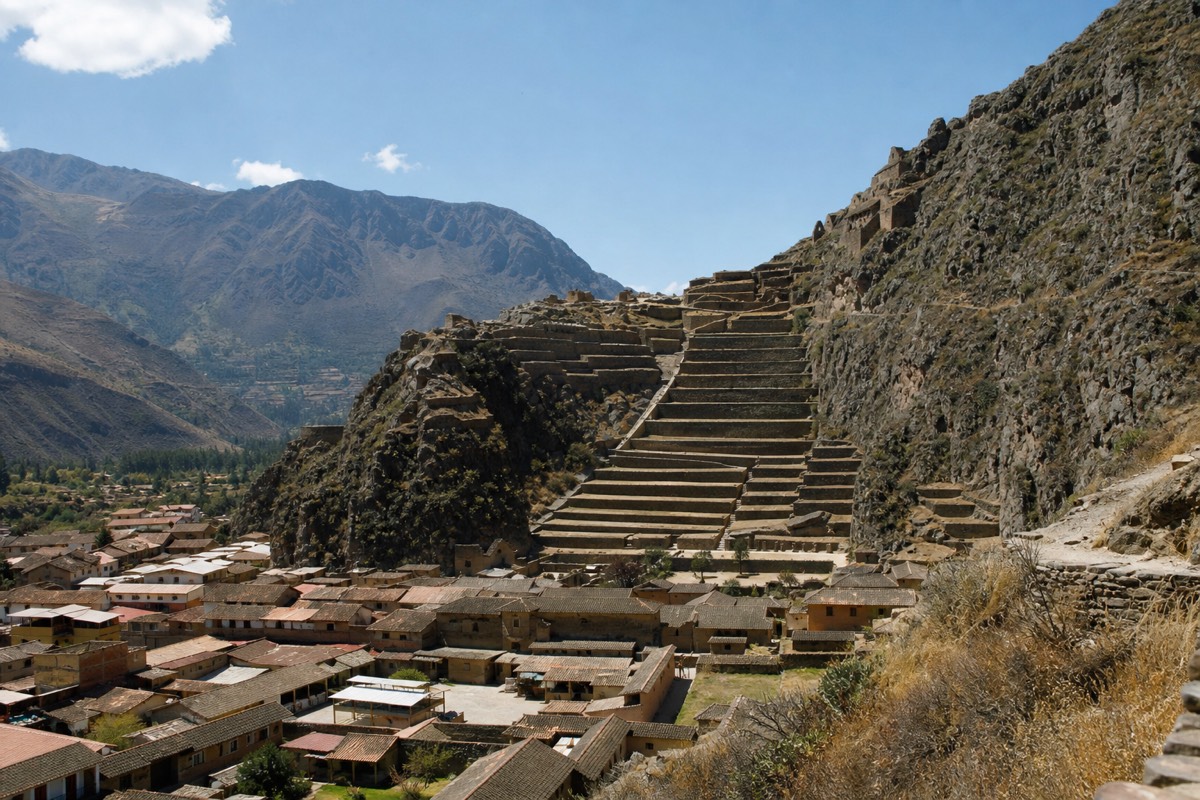
- If you're combining the trip with a broader Sacred Valley itinerary, Ollantaytambo departures let you visit the town's own ruins before boarding
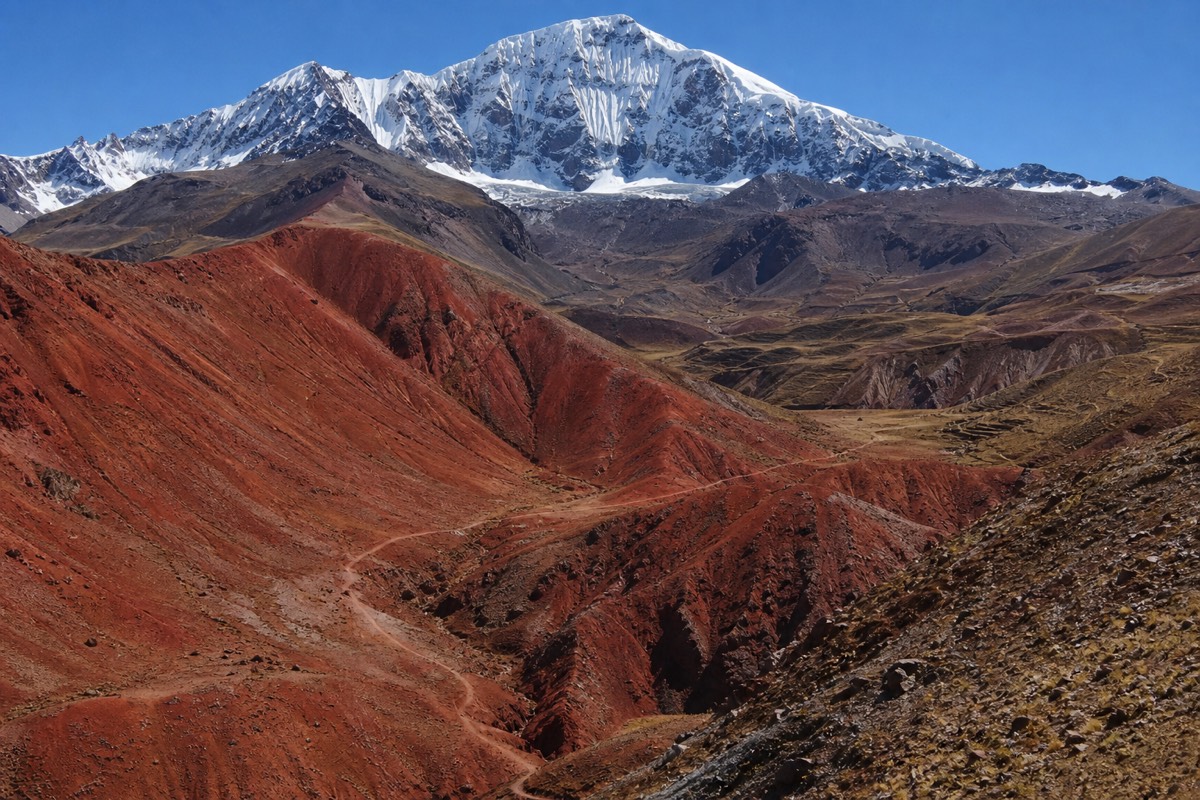
Whichever railway and tier you choose, the actual view out the window, the Urubamba River cutting through cloud forest and snow-capped peaks, is close to identical between the two companies. The tier you pick changes your seat and your onboard experience far more than the operator's name does.
What's actually different onboard at each tier?
The jump from budget to mid-tier is mostly about window size and roof glass; the jump to luxury tiers adds full dining service, wider seating, and onboard entertainment. None of it changes the length of the journey, only how you spend the 1h45m.
| Tier | Windows | Food & drink | Seating | Extras |
|---|---|---|---|---|
| Expedition / Voyager (budget) | Standard | Light snack and drink service | Standard tourist-class seating | None |
| Vistadome / 360° | Panoramic glass-roof sections | Snack and beverage service, sometimes a small meal | Wider, forward-facing panoramic seating | Some departures include onboard cultural entertainment |
| Sacred Valley | Large windows, lounge-style cars | Upgraded snack/drink service | Lounge-style, more spacious | Quieter, less crowded car |
| Hiram Bingham (PeruRail luxury) | Full-service dining car | Multi-course gourmet meal, open bar | Table seating, restaurant-style | Live music, includes Machu Picchu entrance and guided tour in some packages |
| First Class (Inca Rail) | Standard, smaller premium cabin | Table service, light meal | Smaller, more private cabin | More personal service than Voyager |
Which station should I use for my specific itinerary?
If you're doing a single full-day trip from Cusco, plan on the Ollantaytambo departure with an early bus transfer; if you're already spending a night or two in the Sacred Valley, or traveling outside the seasonal window, Ollantaytambo is still generally the more reliable choice. The seasonal Cusco/Poroy option mainly benefits travelers who want to skip an early bus ride and don't mind the longer total rail time.
| Your itinerary | Recommended station | Why |
|---|---|---|
| Single full-day trip from Cusco | Ollantaytambo (with bus transfer) | Shorter overall travel time, most departures run from here year-round |
| Staying overnight in the Sacred Valley first | Ollantaytambo | You're already close by, no need for the longer Cusco-origin route |
| Traveling May-December, want to skip the early bus | Cusco / Poroy (seasonal) | Direct departure, no bus transfer, though about an hour longer total |
| Traveling December-April | Ollantaytambo | Seasonal Cusco/Poroy departure is typically not running outside May-December |
A worked cost example: a family of four
Using the approximate fare ranges above, a family of four choosing the budget Expedition or Voyager tier at roughly $80 round trip per person would pay in the neighborhood of $320 total for the train leg. Stepping up to Vistadome or 360° at roughly $140-180 per person pushes that to roughly $560-720 for the same four seats, a meaningful jump that buys the panoramic glass-roof views many families feel are worth it for a once-in-a-trip visit. Choosing the Sacred Valley tier at roughly $280-350 per person would put a family of four in the $1,120-1,400 range, generally more than most families with young children need for a single train leg. These are rough planning figures only; always confirm exact current fares directly on perurail.com or incarail.com before budgeting a trip around them.
How do baggage and check-in work?
Both operators enforce a modest carry-on limit per passenger and ask you to arrive at the station a set window before departure, generally around 30 minutes, though exact policies are listed on each company's own booking confirmation. Neither railway checks large luggage the way an airline does, so plan to travel light for the train leg itself.
If you're doing a day trip and leaving most of your luggage at your Cusco hotel, this is rarely an issue. If you're continuing on to other legs of a Peru itinerary directly from Aguas Calientes, it's worth checking your specific ticket's baggage allowance in advance rather than assuming it matches airline norms, since overhead space on these train cars is more limited.
Rail baggage and check-in rules still apply to package travelers; a tour does not provide extra luggage allowance unless stated.
Which tier should different types of travelers choose?
Budget-conscious travelers and backpackers do fine on Expedition or Voyager; most first-time visitors get the best value from Vistadome or 360°; and travelers celebrating a honeymoon or anniversary are the main audience for the Hiram Bingham or Sacred Valley tiers. There's no wrong choice among them, only a different trade-off between cost and onboard experience.
- Backpackers and budget travelers: Expedition (PeruRail) or Voyager (Inca Rail), both roughly $80 round trip, functional and comfortable enough for the 1h45m ride
- First-time visitors, most travelers: Vistadome or 360°, the glass-roof panoramic tier that most trip photos of the journey actually come from
- Families with young kids: Vistadome or 360° for the extra space and views, unless budget is the deciding factor, in which case Expedition/Voyager is perfectly workable for a short ride
- Honeymoons, anniversaries, special occasions: Hiram Bingham for the full dining experience, or Sacred Valley as a mid-point upgrade without the full luxury price tag
- Photographers: Any panoramic tier (Vistadome, 360°) for the glass roof sections, timed if possible for a departure with good daylight along the river
What does the scenery actually look like along the route?
The ride tracks the Urubamba River the entire way, moving from open Sacred Valley farmland near Ollantaytambo into increasingly dense cloud forest as the train descends toward Aguas Calientes, with snow-capped peaks visible in clear weather. It's one of the more consistently praised parts of the whole Machu Picchu trip, regardless of which company or tier you book.
The first stretch out of Ollantaytambo runs past terraced hillsides and small Andean villages, the kind of landscape covered in the broader Sacred Valley guide. As the train follows the river downstream, the elevation drops and the vegetation changes noticeably, the dry Andean terrain giving way to subtropical cloud forest thick with orchids and hanging moss by the time you reach Aguas Calientes. Panoramic tiers make the most of this transition with the glass roof sections, but even the budget tiers have full-size windows that capture most of it. Morning departures tend to catch better light on the river and valley walls than midday trains, worth factoring in if photography is a priority.
Does weather ever disrupt the train?
Rarely, but rainy-season weather (roughly December through March) has occasionally caused temporary rail suspensions when heavy rain damages sections of track along the Urubamba River, and both operators reroute or delay service until repairs finish. This is a genuine, if infrequent, planning consideration rather than a reason to avoid the trip.
Neither company publishes a guaranteed weather policy the way an airline might, so the practical approach is simply not to schedule Machu Picchu as the very last activity of a trip, giving yourself a buffer day if a delay does occur. This overlaps with the broader question of whether short-term disruptions affect a Machu Picchu trip at all, covered in full in are they closing Machu Picchu in 2026, which addresses the same rail and access risk from the citadel side rather than the train side.
A package does not prevent weather or railway disruption.
One-way tickets and combining the train with a trek
Both PeruRail and Inca Rail sell one-way as well as round-trip tickets, which matters most for travelers combining the train with a multi-day trek like Salkantay, where you might walk in one direction and take the train back the other. A straightforward day-trip visitor generally just books round trip and doesn't need to think about this.
A common itinerary pairs a multi-day trek that ends at Aguas Calientes on foot with a one-way train back to Ollantaytambo or Cusco the same evening, skipping the need for a return walking day entirely. If you're planning a trek-based route rather than a straightforward train day trip, it's worth checking the Salkantay vs. Inca Trail comparison or the Inca Trail permits guide to see how the trek and train pieces actually connect for each route.
Should I book the train alone or as part of a bundled tour?
Booking the train alone gives you the most control over your exact tier and departure time and is usually cheaper in isolation, while a bundled full-day tour folds the train, bus transfers, entrance ticket, and guide into one price, trading some flexibility for far less coordination effort. Neither is wrong; it depends on how much of the planning you want to handle yourself.
The Expedition day package combines standard-class rail, buses, a guide and entry subject to availability. It is not a Vistadome package. The separate panoramic option in the booking tool has its own train-class selection and inclusions. Compare quotes for the same class, date, circuit and services; do not assume the bundle saves money or guarantees rebooking after disruption.
| Book pieces separately | Book a bundled day tour | |
|---|---|---|
| Train tier control | Full choice of company and tier | Usually fixed to the tour's chosen tier |
| Total cost | Can be similar once guide + entrance + transfers are added | Often close, sometimes better value once bundled |
| Planning effort | You coordinate train, entrance, guide, and bus timing yourself | One booking, one confirmation |
| Flexibility if something changes | You manage rebooking each piece | Operator typically handles it |
| Best for | Independent travelers with a fixed, flexible schedule | First-time visitors, tight schedules, less planning time |
How do I actually book directly with each company?
Both PeruRail and Inca Rail let you book directly through their own websites, selecting your date, route, and tier, then paying by card; neither requires a Peruvian address or local phone number to complete a booking. This is the most direct route if you've already decided to skip a bundled tour.
On either site, you'll choose your departure station (Ollantaytambo, or the seasonal Cusco/Poroy option if it's running for your dates), your tier, and your exact time. Confirm the return leg at the same time as the outbound leg if you're doing a round trip in one day, since matching your return train to a comfortable amount of time at the citadel matters more than most first-time bookers expect; a rushed 2-hour visit followed by a mad dash back to the station is a common regret. Save your e-ticket confirmation locally rather than relying on inbox access at the station, since connectivity in Aguas Calientes and along the route can be unreliable.
Direct train booking remains an independent option; the packages here include additional services.
Is the train ride itself worth building a day around?
Yes, for most travelers it's genuinely one of the better parts of the trip, not just transport to get through, which is why panoramic tiers exist and sell well even though the budget tier reaches the same destination in the same time. The route is consistently ranked among the more scenic train journeys travelers encounter in South America, given how directly it tracks a major Andean river valley.
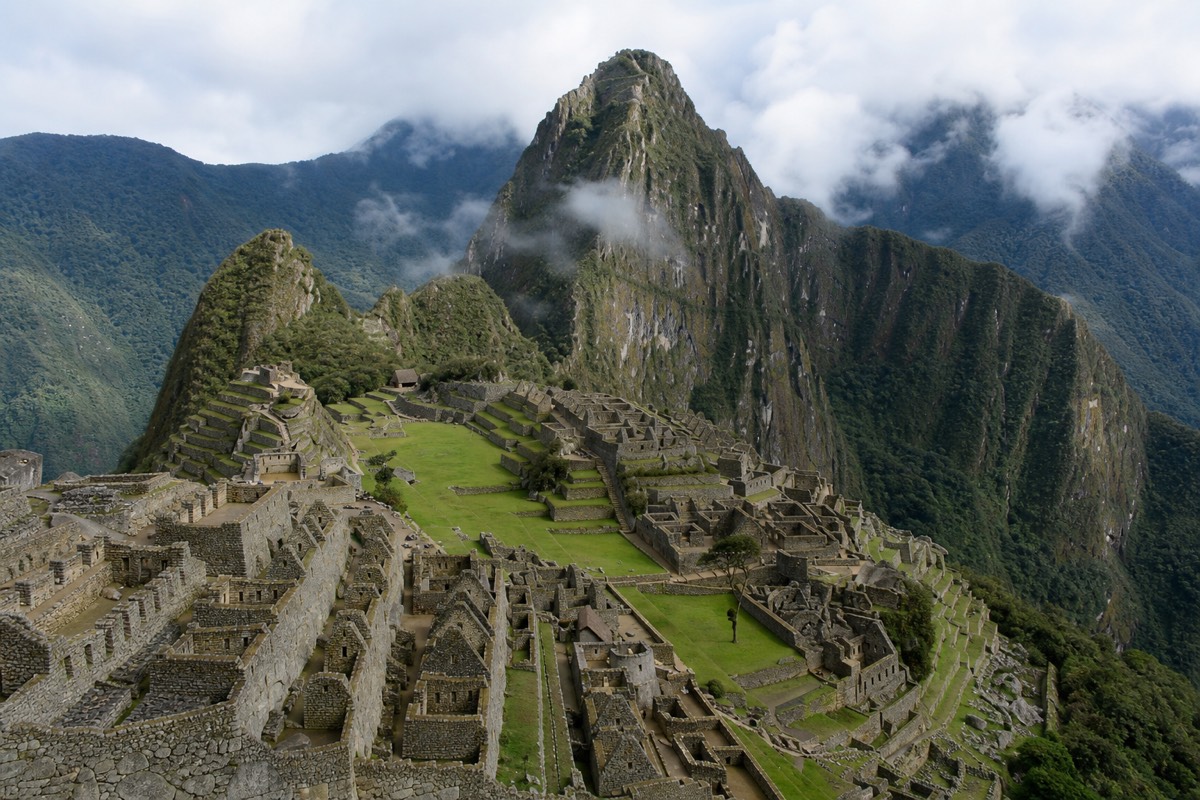
That said, it's worth setting realistic expectations about the full day rather than just the train segment. A typical train-based visit to Machu Picchu, factoring in the early Cusco pickup, the bus to Ollantaytambo, the train itself, the shuttle up to the citadel, the guided tour, and the return trip, runs somewhere between 12 and 16 hours door to door. The train is comfortable and scenic, but the day around it is long, so pace your expectations and rest, or your hydration, accordingly, particularly if you're also managing altitude adjustment from a recent arrival in Cusco. For travelers weighing whether to split this into two calmer days with an overnight in Aguas Calientes instead, that's a genuinely reasonable alternative to a single marathon day trip. Compare it with the Machu Picchu Full-Day Train Adventure if you want the single-day pace in front of you before you decide.
Is there a wrong choice between the two companies?
Not really. Both PeruRail and Inca Rail are established, reputable operators running the same route with comparable safety and service standards, so the practical risk of choosing "wrong" is close to zero. The decision that actually matters is tier and departure time, not brand loyalty.
If you're torn between two similarly priced options from each company, checking which one has a departure time that better matches your Machu Picchu entry slot, and your onward bus connection at either end, is a far more useful tiebreaker than any perceived quality gap between the two railways themselves. Both run daily, both are used constantly by licensed tour operators building full-day packages, and neither has a meaningfully different track record for reliability. Where they genuinely differ, tier structure, luxury options, and seasonal Cusco-departure availability, is covered throughout this guide; beyond that, book whichever fits your schedule and budget. If you're still deciding on the wider shape of your trip, both the Lima to Cusco guide and how many days you actually need in Cusco and Machu Picchu are worth reading alongside this one, since the train leg, however memorable, is only one small piece of a longer, richer Andes itinerary for most first-time visitors arriving in Peru. Browsing this site's guided Peru tours is a reasonable next step for seeing how the train fits into a full day or multi-day package.