Are They Closing Machu Picchu in 2026?
A version of this question comes up every year, usually pointing at an outdated news story. Here's what's actually true for 2026.
Booking choice: Combine Expedition rail, buses and a guided Machu Picchu visit in one day. Explore Machu Picchu by Expedition train
Affiliate links: we may earn a commission when you book.
The quick answer
No. Machu Picchu is not closing in 2026. As of mid-2026 the site is open and operating normally, and Peru's Ministry of Culture has actually raised the peak-season daily visitor cap to 5,600 on designated dates, the opposite direction of a planned shutdown. The real, honest risk to plan around is short, unpredictable disruptions from strikes or weather, not a closure.
Where did the "closing" rumor come from?
The most likely source is a real event that happened years ago, not anything current. In January 2023, Machu Picchu closed briefly during a period of nationwide political unrest and protests across Peru. That closure was real, but it was temporary, tied to a specific crisis, and it ended. Search results and old travel forum posts about it keep circulating, and each year a new wave of travelers finds that outdated thread and assumes it describes today.
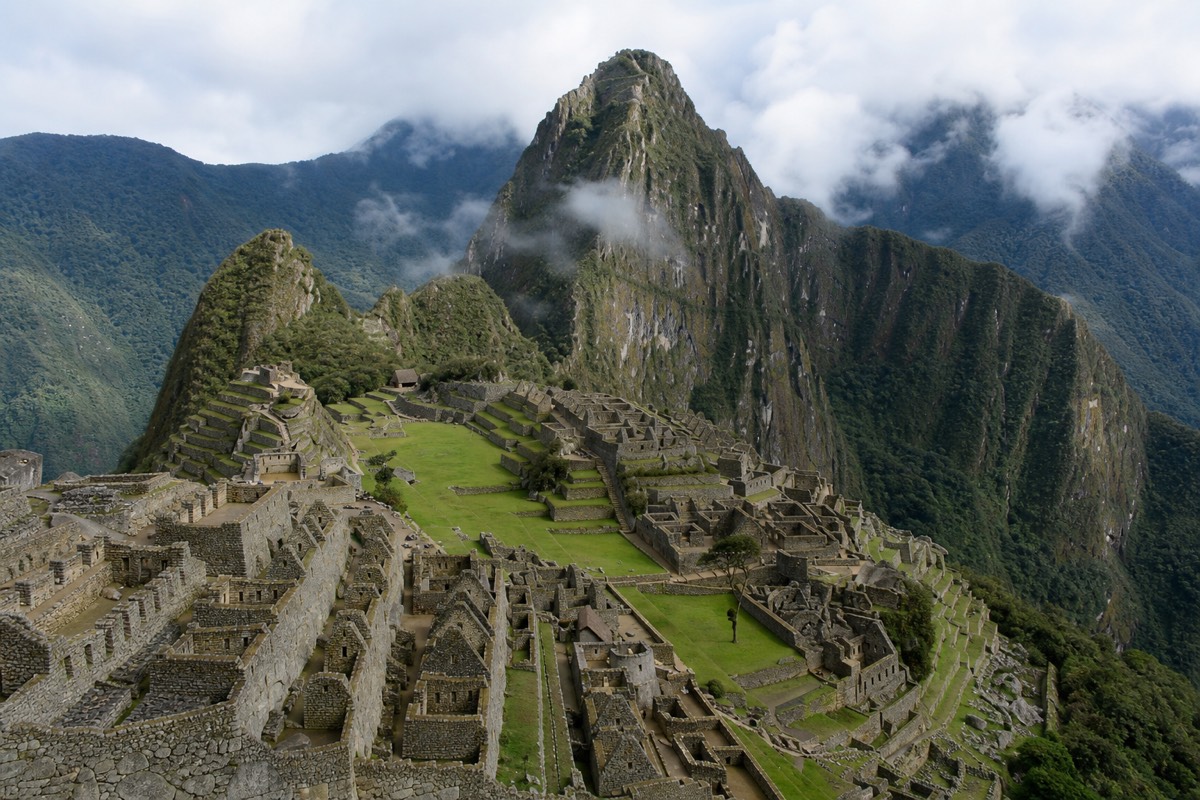
There's no credible planned closure of Machu Picchu for 2026. If anything, the Ministry of Culture's own visitor cap data points the other way: the peak-season daily limit was raised to 5,600 visitors on designated 2026 dates, up from the standard 4,500, according to the official Machu Picchu Sanctuary site. A site preparing to shut down doesn't expand its visitor allowance.
Historic closures are context, not evidence of today’s access. A tour listing does not confirm that the site or railway is operating.
So what actually can disrupt a Machu Picchu trip?
The genuine, recurring risks are short-term: road and rail blockades during strikes (paros), and rainy-season weather damage to the train line, both of which cause disruptions lasting 12 hours to a few days, not closures of the site itself. These are worth planning around, but they're a scheduling risk, not a reason to cancel a trip.

Strikes and protests happen periodically across Peru and sometimes block the road or rail corridor between Cusco and Aguas Calientes, the town below Machu Picchu. When that happens, trains and buses can be suspended for anywhere from half a day to several days depending on how the situation resolves. Separately, heavy rain during the wet season (roughly December through March) has occasionally damaged sections of track along the Urubamba River, forcing temporary rail suspensions until repairs finish. Both are episodic, not scheduled, and neither means the ruins themselves are inaccessible for the season.
A booking cannot prevent protests, weather disruption or an access closure. Check current notices separately.
How should I actually plan around this?
Build a small buffer into your itinerary rather than scheduling Machu Picchu for your last possible day in Peru. A one or two-day cushion before you fly out absorbs most disruptions without costing you the visit entirely. Booking a full-day tour that bundles transport, like the Cusco to Machu Picchu Full-Day Group Tour or the Machu Picchu Full-Day Train Adventure, also means an operator is handling rebooking logistics if your specific train gets delayed, rather than you managing multiple separate reservations on your own.

If you're traveling in the December-March window, keep an eye on regional news in the weeks before your trip rather than months out, since weather-driven rail issues tend to be short-notice. For everything else, the practical planning question isn't "will Machu Picchu be open," it's the much more manageable ticket and circuit booking most travelers already need to sort out.
Why does this rumor keep resurfacing every year?
Search behavior around famous landmarks tends to spike whenever any disruption, however brief, makes international news. A short strike-related closure or a rail suspension gets picked up by a few outlets, travelers panic-search "is Machu Picchu closing," and the resulting articles and forum threads stay indexed online long after the actual event resolved. A year or two later, a different traveler finds that same old thread while planning their own trip and reads it as current information, not history.
The January 2023 closure is the clearest example of this pattern. It was real and it made international headlines, tied to a period of serious political unrest across Peru that also affected transport and tourism more broadly, not just Machu Picchu specifically. But it lasted weeks, not months, and the site reopened once the underlying unrest calmed. Nothing in the current news cycle for 2026 resembles that situation, and the Ministry of Culture's own visitor cap increase is a strong signal in the opposite direction: an agency planning to shut a site down doesn't simultaneously plan to let in more visitors on peak dates.
Recurring online rumors are not a reason to rush a purchase.
What should I actually watch for before my trip?
Rather than worrying about a closure that isn't happening, it's more useful to track the two things that genuinely can affect a specific travel date: regional strike activity in Cusco and the Sacred Valley, and rainy-season rail conditions if you're traveling December through March. Both tend to surface in local and regional Peruvian news a few days to a couple of weeks ahead, not months in advance, so checking closer to your departure date is more useful than trying to predict conditions from home months out.
If you booked through an operator, most licensed agencies actively monitor these conditions and will proactively reach out about rescheduling if a strike or weather event affects your specific travel window, which is one practical argument for booking a guided day tour rather than managing every leg of transport independently. Whichever way you're planning your visit, the Machu Picchu tickets guide and the Inca Rail vs. PeruRail comparison cover the actual logistics worth spending your planning energy on, which is a far more productive use of pre-trip research than chasing an outdated closure rumor. When you're ready to book, this site's own guided Peru tours already account for these seasonal risks in their scheduling.