Can You Wear Shorts in Peru? A Real Dress-Code Guide
There's no religious or legal restriction on wearing shorts anywhere in Peru, unlike some destinations where that's a real concern. The practical answer is about climate and altitude, not custom.
Booking choice: Taste Peruvian dishes with a local guide on a four-hour Barranco walk. Explore Barranco food walk
Affiliate links: we may earn a commission when you book.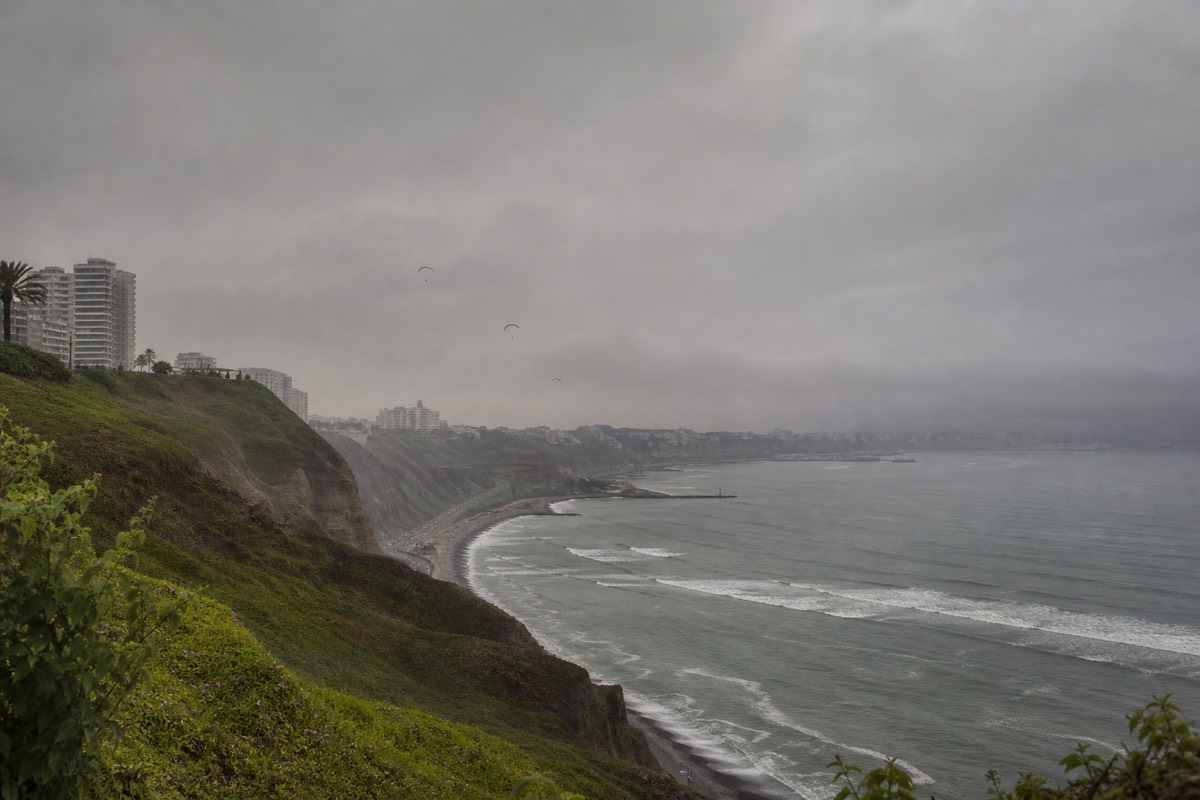
Is it culturally or legally acceptable to wear shorts in Peru?
Yes. Peru has no religious or legal dress code restricting shorts, unlike some destinations where covering up is genuinely expected in religious sites or conservative regions. Peru is a diverse country with a mix of coastal, Andean and Amazonian cultures, and mainstream dress norms across all of them are broadly similar to what you'd see in most of Latin America: casual, practical clothing is completely normal in tourist areas, cities and beach towns alike. The real question isn't whether shorts are appropriate, it's whether they're practical for wherever you're actually headed that day, and that answer changes a lot depending on region.
Ordinary clothing choices do not require a tour. Follow the dress expectations of the specific place you visit.
Where are shorts genuinely a fine, practical choice?
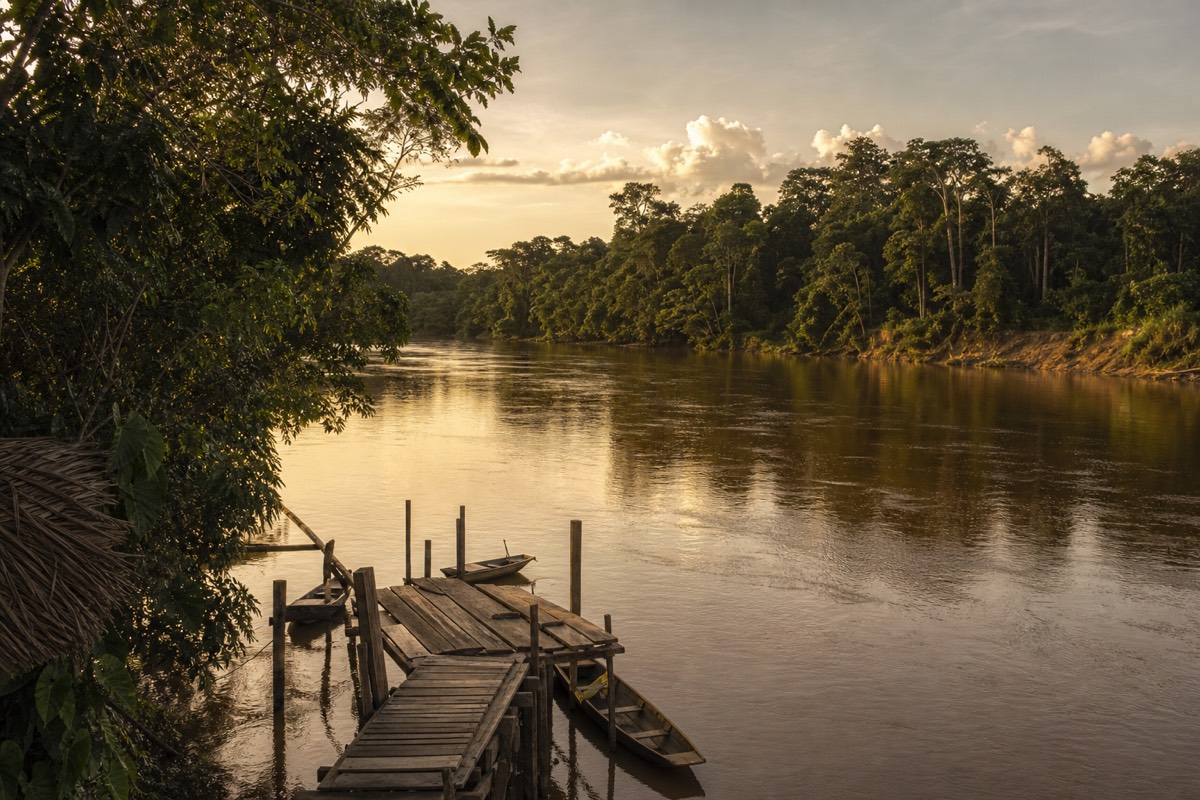
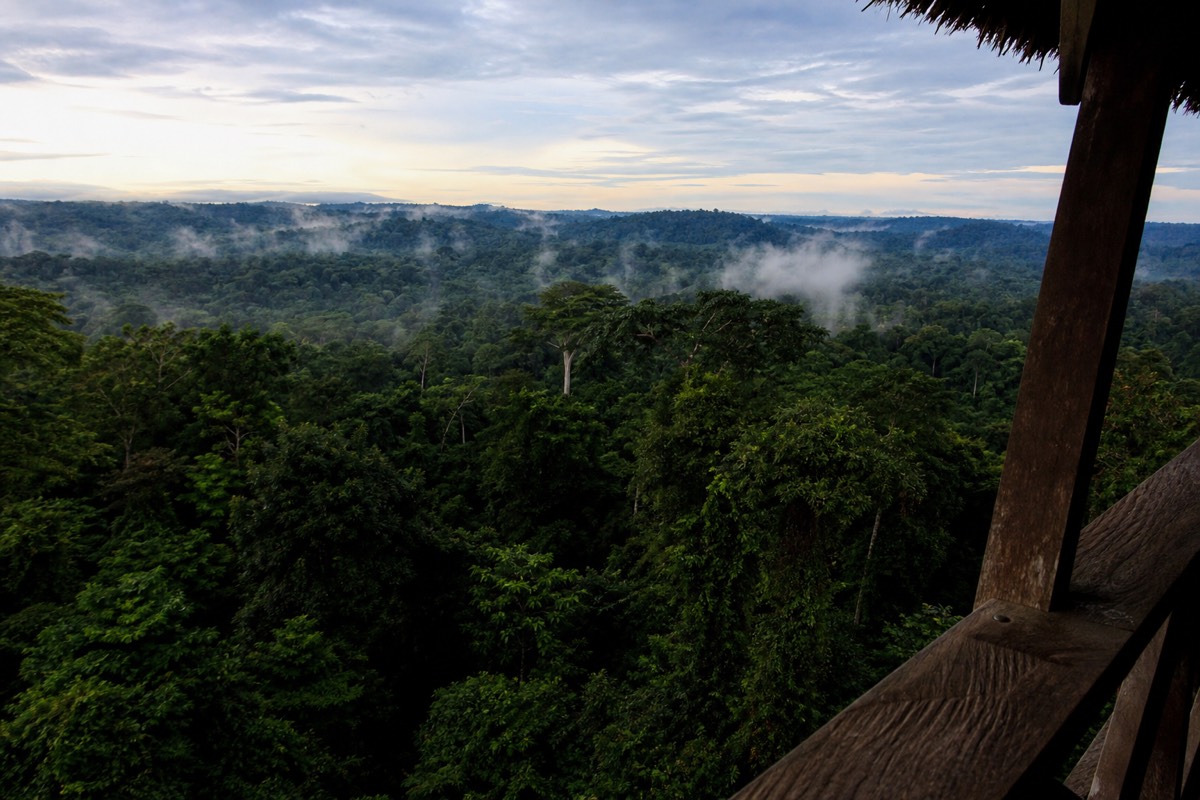
In Lima and along the coast, and in the Amazon lowlands, shorts are common, comfortable and exactly what the climate calls for. Lima's coastal desert climate runs warm for much of the year (with a notable exception covered in the best time to visit Peru, since a fog belt keeps the city cooler and grayer roughly May through October), and Miraflores and Barranco, Lima's most visited neighborhoods, see plenty of visitors in shorts without a second glance. Amazon lodges and jungle excursions run hot and humid nearly year-round, and while some guides recommend long, lightweight pants for bug and sun protection on jungle walks specifically, shorts are entirely normal for the rest of the day around a lodge. The dune desert around a sandboarding and dune buggy tour near Huacachina is another obvious shorts environment, hot, dry and sun-drenched almost year-round.
Where do shorts actually become impractical?
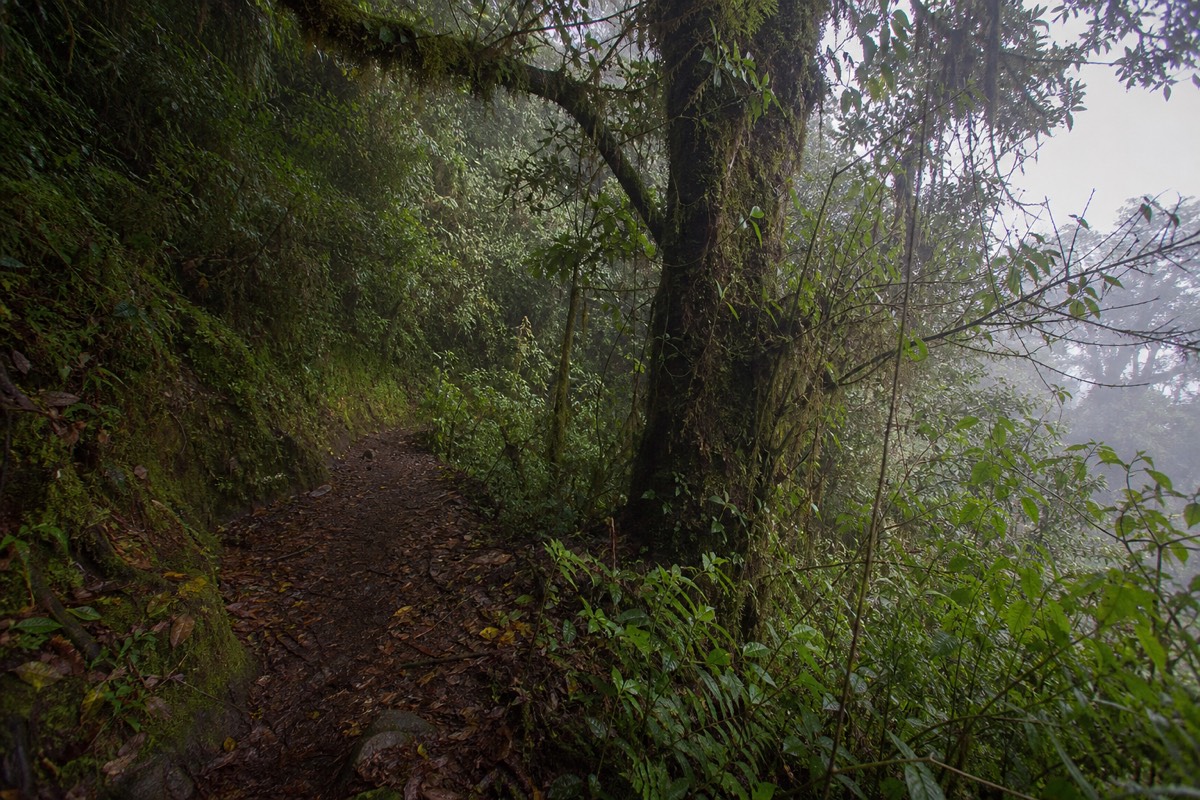
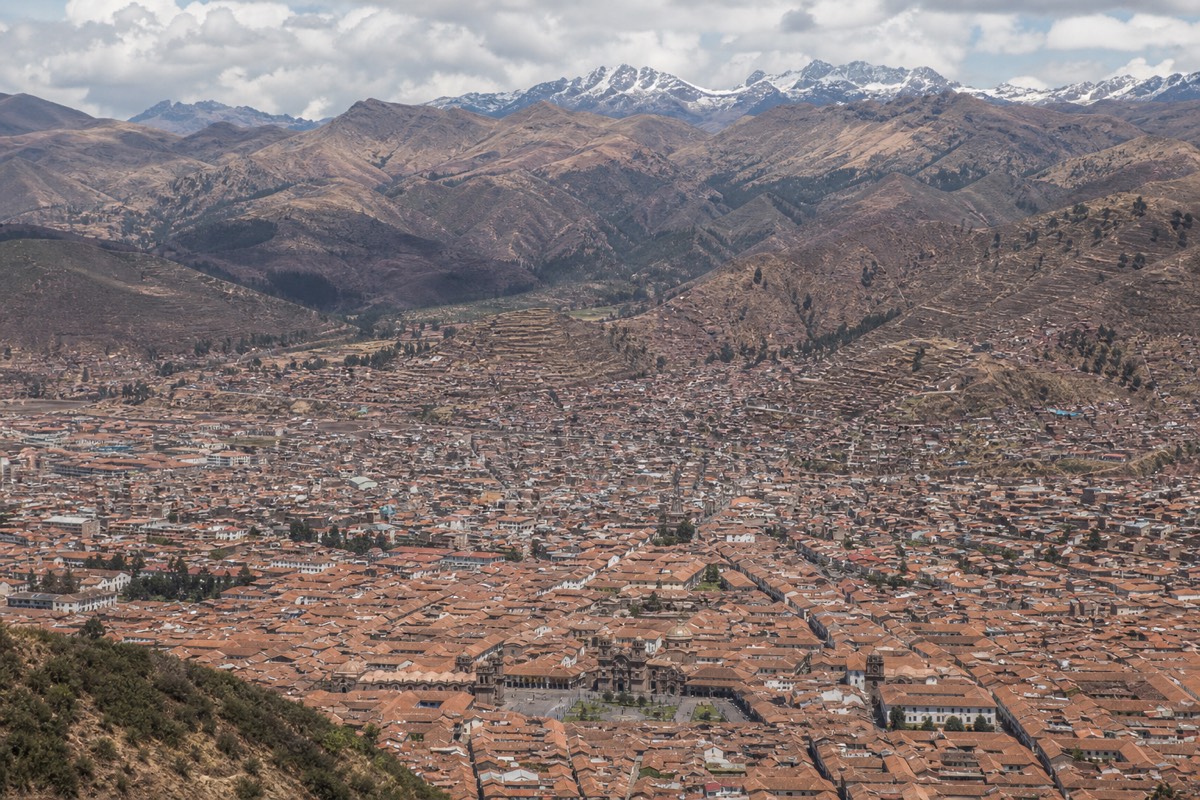
Cusco and Andean trekking are the real exception, not because shorts are culturally inappropriate, but because the daily temperature swing at altitude makes bare legs a genuinely poor practical choice for a full day outdoors. Cusco sits at roughly 3,400 meters, and days at that altitude commonly start cold, warm up fast under strong midday sun, then drop sharply again once the sun goes down or clouds roll in. A single day touring a full-day tour to Machu Picchu from Cusco can move through a genuinely wide temperature range between a pre-dawn pickup and an afternoon return, and shorts leave you either cold at the edges of the day or needing to carry pants anyway, which is more packing complexity, not less. Layers, specifically pants you can pair with a base layer and a warm outer layer, are the more practical default for Cusco, the Sacred Valley and any Andean trekking day, with shorts reserved for a warm midday stretch if you want them.
| Region | Shorts practical? | Why |
|---|---|---|
| Lima / coast | Yes, generally | Warm climate most of the year; fine in tourist areas |
| Huacachina / desert | Yes | Hot, dry, sun-drenched almost year-round |
| Amazon | Mostly, with long pants for jungle walks | Hot and humid, but bug/sun protection matters on trail sections |
| Cusco / Sacred Valley / Andes | Not the practical default | Big daily temperature swings; cold mornings and evenings even in sunny weather |
What's the real sun-exposure warning worth knowing about altitude?
UV exposure is genuinely stronger at high altitude, and it's worth taking seriously even on a day that feels cool: thinner air at 3,400 meters and above filters out less ultraviolet radiation than at sea level, so sun damage happens faster than the air temperature suggests. This catches travelers off guard precisely because a chilly Andean morning doesn't feel like classic "sunburn weather," and by the time the midday sun feels strong, exposed skin has often already been in it for hours. Whether you're wearing shorts or pants that day, sunscreen on any exposed skin, a hat, and sunglasses are worth treating as non-negotiable in Cusco and on any Andean trek, not just an optional add-on for a beach day.
A guided trip does not reduce UV exposure. Sun protection remains your own preparation.
What's the simplest way to pack for this?
Bring shorts for the coast, the desert and lodge downtime in the Amazon, and default to lightweight, layerable pants for Cusco and any day involving real altitude or trekking, with a warm layer you can add or shed as the day moves through its full temperature range. This isn't a rule enforced by anyone, it's simply what works given how differently Peru's regions behave climatically, and it maps directly onto a full Peru packing list if you're building out a packing plan for a multi-region trip that touches both the coast and the Andes. The short version: pack for the region you're in that day, not for "Peru" as one uniform climate, because it genuinely isn't one.
What about sun protection specifically?
UV exposure at altitude is genuinely stronger than it feels, since thinner air filters less radiation, which means shorts and short sleeves at 3,400 meters in Cusco can burn skin faster than the same outfit would at sea level, even on a cool or cloudy-feeling day. This is a real, commonly underestimated risk, not a minor caveat: sunscreen, a hat, and sunglasses matter more in the Andes than the ambient temperature suggests, and travelers who dress for the visible cold while ignoring the invisible UV intensity are the ones who end up with an uncomfortable sunburn by the second day.
The Amazon presents the opposite problem: high humidity and consistent heat make shorts and breathable fabric the practical choice during the day, but evenings call for long sleeves and pants regardless of temperature, since that's when mosquito activity peaks and coverage matters more than comfort.
Bring your own sun protection; no verified tour replaces it.
Do temple or religious sites have a dress code?
Peru's major Inca archaeological sites, including Machu Picchu, have no formal dress code restricting shorts, unlike some religious sites elsewhere in the world that require covered shoulders or knees. Comfort and practicality matter more than modesty rules at these sites: the terrain is uneven stone with real sun exposure, so the honest recommendation leans toward lightweight trekking pants for the walking involved, not because shorts are inappropriate, but because pants offer better protection from both sun and occasional scrapes against stone or vegetation along narrow paths.