Is It Safe to Travel to Peru Right Now? (2026)
Peru currently carries a Level 2 US travel advisory, the same tier assigned to many popular destinations worldwide. Here is what that rating actually covers, which specific areas it flags, and what that means if your trip is Cusco, the Sacred Valley and Machu Picchu.
Booking choice: Travel directly from Cusco airport or accommodation to your Ollantaytambo hotel or train station. Explore Cusco to Ollantaytambo private transfer
Affiliate links: we may earn a commission when you book.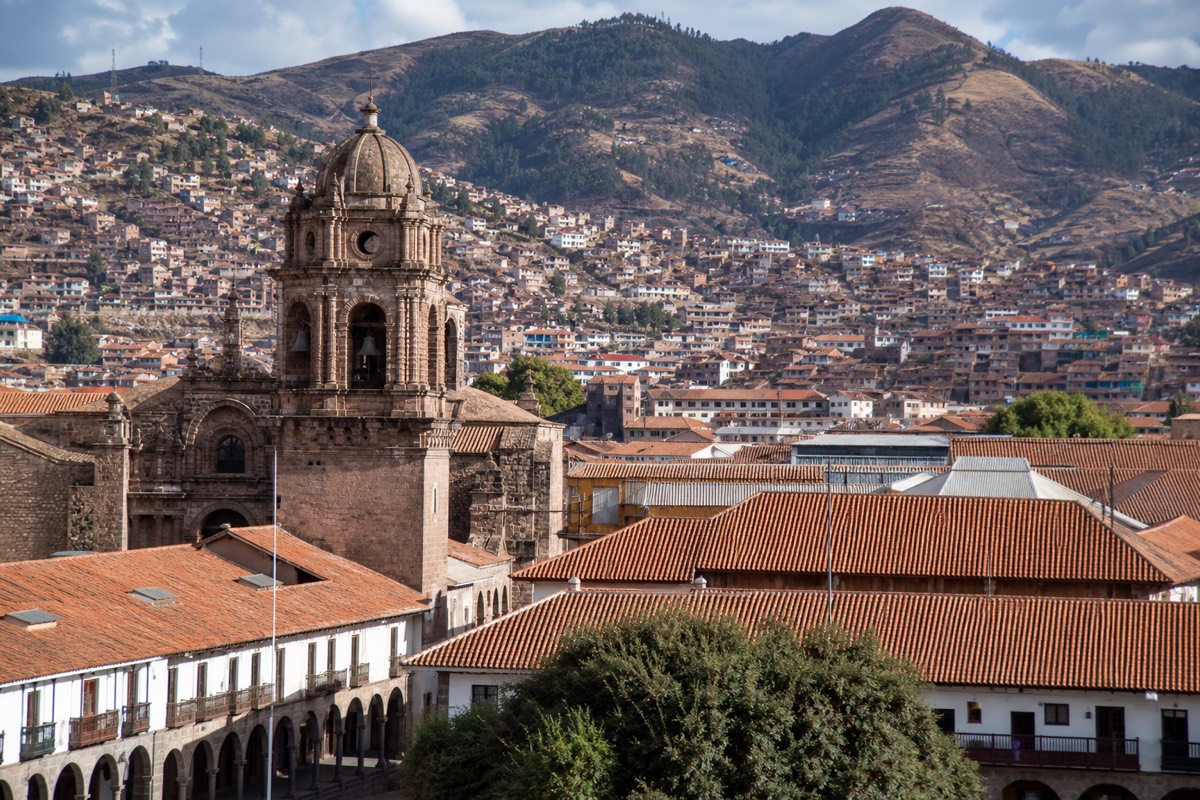
The actual tourist circuit vs. the areas the advisory flags
Advisory checked September 11, 2026: the September 4 advisory remains Level 2, with higher-risk exclusions. Read the current full advisory before departure.
The quick answer
Peru’s September 4, 2026 advisory is Level 2 due to crime, unrest, kidnapping and terrorism. Higher-risk exclusions include the Colombia border, VRAEM and named boundary cities. Popular Cusco-area sites are outside those exclusions, but that does not make them risk-free.
No tour booking establishes that a destination is safe for you; use the current advisory and your own circumstances.
What does a Level 2 advisory actually mean?
Level 2 is the second of four advisory levels. Read the reasons and regional exclusions, rather than treating the number as an assurance about a particular itinerary.
The advisory carries specific risk indicators, a "K" for kidnapping and a "U" for civil unrest, attached to Peru's country-wide rating, but those indicators are tied to the specific regions detailed below, not spread evenly across the entire country. Reading the advisory as "Peru is dangerous" misreads how the tiered system is actually built.
It helps to see the advisory in its broader context rather than as an isolated flag. The State Department issues one of these four ratings for every country on earth, including close US allies and top global tourist destinations, so a Level 2 rating by itself says less about a country's overall danger and more about the existence of specific, identifiable risk factors somewhere within its borders. Reading past the headline rating to the actual named regions, which is what the next section covers, is where the real information lives.
| Level | Meaning | Applies to Peru? |
|---|---|---|
| Level 1 | Exercise normal precautions | No |
| Level 2 | Exercise increased caution | Yes, current rating (reissued September 4, 2026) |
| Level 3 | Reconsider travel | No |
| Level 4 | Do not travel | No |
An advisory level is information for travel decisions, not a reason to buy a tour.
Which specific areas does the advisory actually flag?
The advisory names two specific higher-risk zones, and neither is anywhere near the standard Machu Picchu tourist circuit: the VRAEM region (the Valley of the Apurímac, Ene and Mantaro Rivers, including Vilcabamba), flagged for crime and terrorism-related risk, and the Colombia-Peru border area within the Loreto Region. Some areas within Ayacucho, Cusco, Huancavelica and Junín regions carry elevated caution too, but critically, the advisory explicitly excludes the city of Cusco itself, the Sacred Valley, the Inca Trail and Machu Picchu from that flagged designation, treating them as standard Level 2 tourist zones on par with the rest of the advisory's baseline rating. In practice, "some areas within Cusco region" refers to remote parts of a large administrative region, not the city or the tourist corridor running through it.
| Area | Advisory status | On a typical tourist itinerary? |
|---|---|---|
| Cusco city | Standard Level 2 | Yes, core destination |
| Sacred Valley | Standard Level 2 | Yes, core destination |
| Inca Trail / Machu Picchu | Standard Level 2 | Yes, core destination |
| Lima | Standard Level 2 | Yes, common arrival point |
| VRAEM region (incl. Vilcabamba) | Flagged, crime/terrorism risk | No, not part of any standard itinerary |
| Colombia-Peru border, Loreto | Flagged | No, remote border zone, not near Iquitos city itself |
The selected products do not provide access or protection in advisory-excluded areas.
Is the tourist circuit really no different from other popular destinations?
Tourist infrastructure can help with logistics, but crime and disruptions can still affect popular destinations. Assess the actual route and current conditions.
This is also worth putting in context of how many people actually travel this route without issue. Millions of visitors pass through Lima, Cusco and Machu Picchu every year on a well-worn, well-supported tourist corridor, with a mature guide and operator infrastructure built specifically around it, including a full-day tour to Machu Picchu from Cusco and a small-group day tour of Lima that run daily.
Comparisons with other destinations do not establish an individual safety guarantee.
What practical safety precautions actually matter for the areas tourists visit?
The advice that matters for Lima, Cusco, the Sacred Valley and Machu Picchu is standard urban and travel-safety practice, not anything specific to Peru's political situation: watch your belongings in markets and bus stations, use registered taxis or app-based rides rather than hailing unmarked cars off the street, and keep valuables out of sight. Petty theft, pickpocketing and opportunistic bag-snatching are the realistic risk category for a typical tourist itinerary, the same category that applies in most heavily visited cities worldwide, not the kidnapping or civil-unrest risk the advisory's indicators reference, which are tied specifically to the flagged regions above.

| Location | Practical precaution |
|---|---|
| Lima (markets, bus terminals) | Keep bags zipped and in front of you; avoid displaying phones or cameras openly |
| Cusco & Sacred Valley | Use registered taxis or hotel-arranged transport, especially at night |
| Machu Picchu / Aguas Calientes | Stick to official trails and marked circuits; keep original passport on hand for entry |
| VRAEM / remote border areas | Simply not part of any standard tourist route; no reason to go there |
Within Lima specifically, tourist-facing neighborhoods like Miraflores and Barranco, where a small-group day tour of Lima typically spends its time, carry a well-established, well-patrolled tourist infrastructure that differs meaningfully from Lima's outer districts. This is standard big-city variation, the kind of block-by-block difference found in any large metropolitan area, and it's part of why guided city tours and hotel-arranged transport in Lima specifically are worth the modest extra cost over improvising independently in unfamiliar neighborhoods.
The same door-to-door logic applies to longer overland moves between cities. Peru Hop picks travelers up directly from their hotel and drops them at the next one, so there's no bus terminal to navigate with luggage and no need to flag a street taxi in an unfamiliar city. Its buses are GPS-tracked with enforced speed limits, run two drivers on the longest legs, and mostly cover ground during daylight hours, with a bilingual host on board the whole way.
Door to door instead of a bus terminal on your own Peru Hop (check prices here) reports over 395,000 passengers and more than 19,000 TripAdvisor reviews and 8,000 Google reviews. First-time visitors traveling solo or without Spanish often use it specifically for the hotel pickup, the bilingual host, and the GPS-tracked buses rather than piecing together separate terminal buses and taxis themselves.
What about strikes and transport disruptions?
Strikes and road or rail blockades between Cusco and Aguas Calientes are a real, recurring feature of Peruvian travel, capable of disrupting access to Machu Picchu for anywhere from about 12 hours to several days, and the honest approach is to plan around that possibility rather than pretend it doesn't happen. These disruptions are typically tied to labor or political protests rather than targeted at tourists, and they tend to resolve within days, but a rail-dependent itinerary with zero buffer days is genuinely vulnerable to them. Rainy season (December-March) adds a second, separate disruption risk: occasional landslide or weather damage to the rail line connecting Cusco to Machu Picchu.
The practical response is straightforward: build at least one buffer day into a Machu Picchu-focused itinerary rather than scheduling a same-day flight out, buy travel insurance that actually covers trip interruption, and keep tickets flexible where the fare class allows it. Neither risk is a reason to avoid the trip; both are reasons to plan with a little slack, and it's a point worth weighing alongside the best time to visit Peru if your dates are flexible enough to avoid peak rainy season.
A paid transfer cannot guarantee passage through strikes or road closures.
What are the common tourist scams to watch for?
The scams that actually affect visitors to Peru's main tourist circuit are the ordinary, well-documented kind found in most heavily visited destinations: overcharging on unmetered taxis, distraction theft in crowded markets and bus terminals, and the occasional fake or unofficial "tour guide" offering a cheaper deal outside a ticket office. None of these are unique to Peru, and none require anything beyond ordinary vigilance to avoid. The pattern worth internalizing is simple: agree on a price or use a metered/app-based ride before getting in a taxi, book tours through a known operator rather than an unsolicited approach on the street, and treat unusually good last-minute deals with a healthy dose of skepticism.
| Common scam | Where it happens | How to avoid it |
|---|---|---|
| Taxi overcharging | Airports, bus terminals | Use app-based rides or agree on a fare before entering |
| Distraction theft | Crowded markets, plazas | Keep bags zipped and in front of you |
| Unofficial "guides" | Outside major ticket offices | Book through a known operator in advance |
| Fake/altered currency | Informal money exchange | Exchange at banks or official casas de cambio |
None of this is meaningfully different from precautions worth taking in most major tourist cities worldwide. The specific tactics vary by destination, but the underlying advice, stay alert in crowds, verify who you're dealing with before handing over cash, doesn't change much from one country to the next.
Is Peru safe for solo female travelers?
Peru's main tourist circuit sees a substantial volume of solo female travelers every year, and the core advice mirrors general solo-travel safety practice anywhere: stick to well-reviewed accommodation, arrange airport and late-night transport in advance rather than hailing something off the street, and share an itinerary with someone back home. Cusco's tourist zone, the Sacred Valley, and Machu Picchu's train and bus infrastructure are all well-trodden enough that solo travel on this specific route is routine rather than exceptional. Group tours and guided treks, which most visitors to the Inca Trail, Salkantay, and Rainbow Mountain use by necessity or preference, also mean solo travelers are rarely actually alone once the trip itself is underway.
Standard precautions carry more weight after dark: arranging a hotel pickup or a verified rideshare rather than walking unfamiliar streets alone late at night applies in Cusco the same way it would in most cities. None of this is Peru-specific caution so much as ordinary solo-travel practice that happens to matter a bit more in an unfamiliar country than a familiar one.
These products have not been verified as specialist solo-women safety services.
What should you actually do in an emergency?
For any genuine emergency, dial 105 for police or 116 for medical/fire services (Peru's national emergency numbers), contact your hotel or tour operator immediately since most have established relationships with local responders, and reach out to the US Embassy in Lima if you're a US citizen needing consular assistance. Travel insurance with medical evacuation coverage is worth having for any Andes trekking itinerary specifically, given the remote terrain involved on multi-day routes like the Inca Trail, Salkantay, or the Huayhuash circuit, where the nearest hospital can be hours away.
| Situation | What to do |
|---|---|
| Medical emergency | Call 116, or alert your guide/hotel immediately if on a tour |
| Crime/theft | Call 105 (police), file a report for insurance purposes |
| Lost passport | Contact your embassy or consulate as soon as possible |
| Trek/remote-area injury | Rely on your guide's emergency protocol; this is why guided treks matter |
This is one of the clearer arguments for booking guided experiences rather than fully independent travel on anything involving remote trekking: a licensed operator already has an emergency plan, satellite communication on longer routes, and local relationships that a solo traveler simply doesn't have access to on their own.
In an emergency, use appropriate emergency assistance, not a sightseeing booking or ordinary transfer.
Where should you check for the latest information before you go?
Recheck the official advisory and embassy alerts close to departure; conditions can change after this review.
Review current official information separately; provider schedules do not confirm regional safety.
What about health and natural-hazard safety, not just crime?
For most visitors, altitude sickness in Cusco and the Andes is a far more likely issue on a Peru trip than crime, along with ordinary travel-health basics like food and water caution and, on multi-day treks, genuine remote-terrain risk. None of these are reasons to avoid the trip, but they deserve at least as much planning attention as the crime-focused advisory discussion above, since they're statistically the more likely thing to actually affect a typical itinerary. Our dedicated altitude sickness guide for Cusco and Machu Picchu covers acclimatization in full detail.
| Risk category | Likelihood on a typical trip | How to manage it |
|---|---|---|
| Altitude sickness (Cusco, Andes) | Common, mild cases especially | Acclimatization days, hydration, know the warning signs |
| Food/water-related stomach upset | Occasional | Bottled or treated water, cautious street-food choices early in the trip |
| Trekking terrain injury | Low with a guided operator | Book licensed operators with an emergency protocol |
| Crime (tourist circuit specifically) | Low, mostly petty theft | Standard urban precautions covered above |
Framed this way, the honest answer to "is Peru safe" has two separate parts: the political/crime picture, which is genuinely well-contained to specific named regions far from the tourist circuit, and the health/altitude picture, which is a real but very manageable planning item that applies to essentially every visitor regardless of which region they're worried about. Both are worth taking seriously; neither is a reason to skip the trip.
A guided excursion is not medical care or natural-hazard protection.
Does traveling with a guided operator change the safety picture?
Meaningfully, yes: a licensed tour operator handles transport, accommodation vetting, and route-specific safety protocols that an independent traveler would otherwise have to research and arrange from scratch, which is part of why guided travel remains the default way most visitors experience Peru's Andes and Amazon regions. This isn't unique to Peru, guided travel generally reduces the number of independent decisions a visitor has to get right, but it applies with particular force to remote trekking routes and jungle lodges, where local knowledge genuinely matters for both enjoyment and safety. A guide who has run the same Inca Trail or Rainbow Mountain route dozens of times has a working understanding of altitude pacing, weather patterns, and terrain that's difficult to replicate from research alone.
For city-based time in Lima and Cusco, the calculus shifts a bit: independent travel is entirely reasonable in these well-established tourist zones, and a guide adds convenience more than a fundamental safety improvement. The clearer case for guided travel is anything involving multi-day trekking, jungle lodges, or transport between remote points, exactly the itinerary segments where a guided Peru tour replaces a series of independent logistics decisions with a single, vetted plan.
How does Peru compare to nearby countries travelers often also consider?
Check each country separately when planning a multi-country trip. Similar advisory levels can reflect different risks.
The practical upshot for trip planning is straightforward: Peru's tourist circuit, Lima, Cusco, the Sacred Valley, Machu Picchu, and the established Amazon lodge routes out of Iquitos or Puerto Maldonado, functions as a mature, well-supported travel environment with a long track record of hosting large volumes of international visitors safely. The advisory's specific, named exceptions sit well outside that circuit, and the practical safety advice that actually applies to a typical trip looks like the same common-sense precautions worth taking in any unfamiliar city, not a reason to reconsider the trip itself.
None of this replaces doing your own homework close to departure. Advisory conditions, like everything else in travel planning, can shift, and the small habit of checking the official source directly in the weeks before a trip costs nothing and closes the gap between a page like this one and whatever is true on the specific week you fly. If budget planning is the other piece of trip prep on your mind, our breakdown of how far $100 actually goes in Peru covers the practical spending side in the same honest, planning-range style as this page.
Cross-country safety comparisons do not identify a relevant paid activity.
What about earthquakes and other natural hazards?
Peru sits along the Pacific Ring of Fire and experiences earthquakes with some regularity, a well-known feature of the country's geography rather than a change in current conditions, and it's worth having a basic sense of what to do if one happens during a trip even though the odds of a significant quake disrupting any single visit are low. Modern hotels and tour infrastructure in Cusco, Lima and other major destinations are built with this reality in mind, and general earthquake safety, moving away from windows, getting under sturdy furniture if indoors, moving to open ground if outside, applies the same way it would anywhere else prone to seismic activity. This isn't part of the State Department's crime-and-unrest advisory system at all; it's a separate, purely geographic consideration worth a moment's awareness rather than genuine worry.
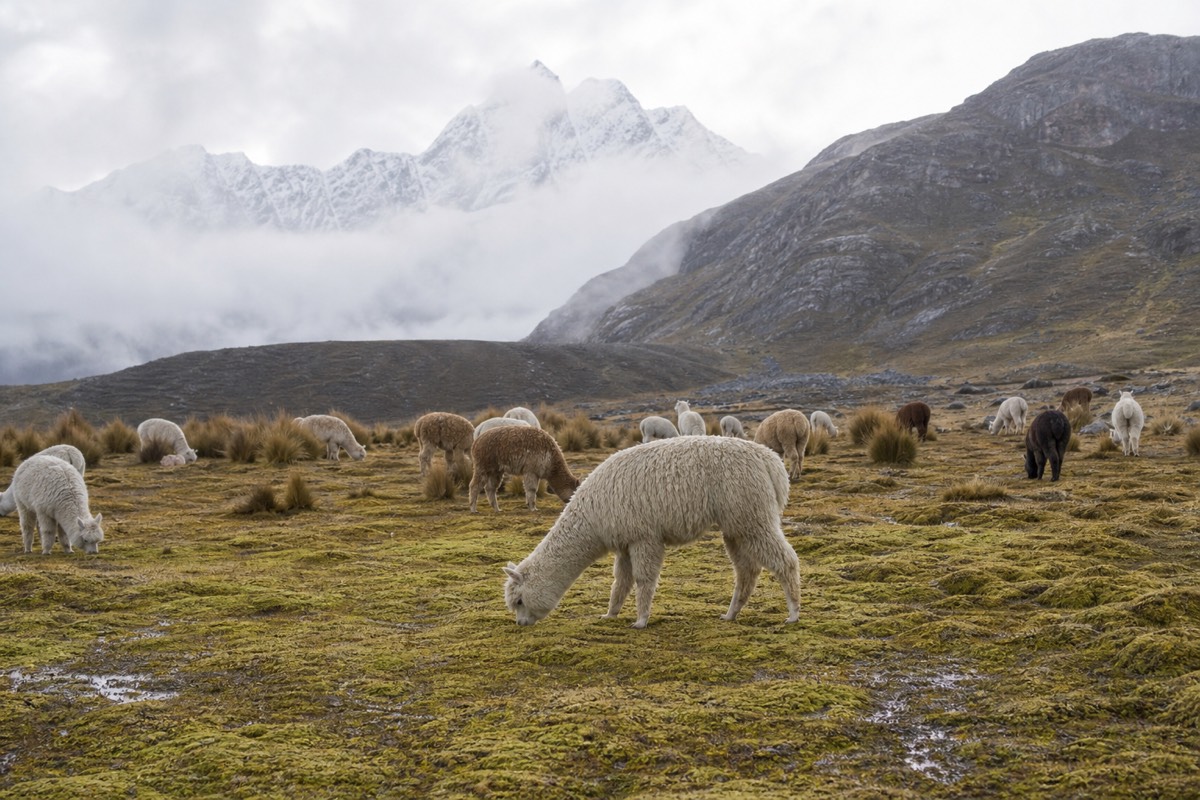
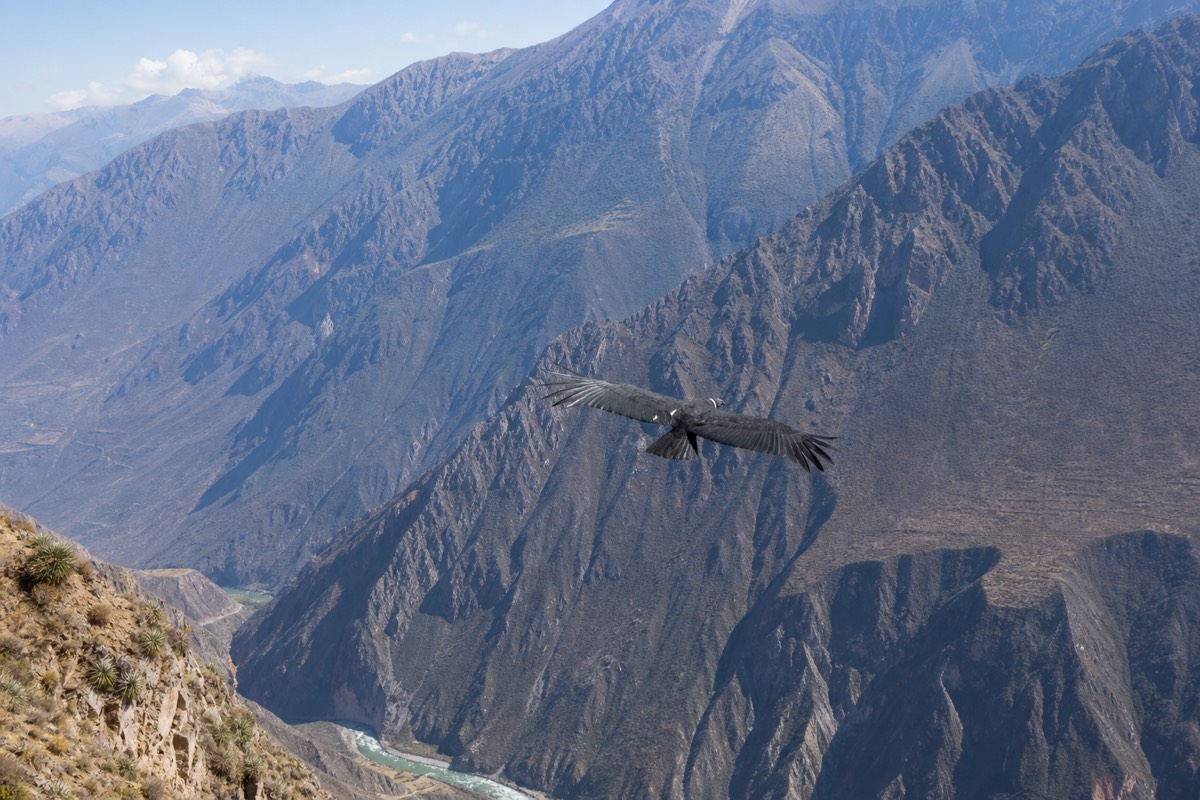
Volcanic activity is a similar, low-probability consideration for travelers heading toward southern Peru, where routes like a Colca Canyon itinerary pass near active volcanic areas; established tour operators monitor local conditions and adjust routes when needed, which is one more reason a guided itinerary through mountainous or volcanic terrain carries a real safety advantage over independent travel. Peru's coastline, including Lima, carries a standard tsunami risk associated with any major offshore earthquake, the same geological reality shared by coastal cities up and down the Pacific Rim; it's a low-probability consideration in the same category as the seismic risk above, worth basic awareness rather than active worry during a standard visit.
| Hazard | Where it's relevant | Basic response |
|---|---|---|
| Earthquakes | Nationwide, a known feature of Peru's geography | Move away from windows; shelter under sturdy furniture or move to open ground |
| Volcanic activity | Southern Peru (e.g. near Colca Canyon/Arequipa region) | Follow your guide or operator's route decisions; they monitor local conditions |
| Landslides (rainy season) | Andean rail/road routes, Dec-March | Build itinerary buffer days; covered in the transport-disruption section above |
No selected operator guarantees protection against earthquakes or other natural hazards.
What's the single most important takeaway for a first-time visitor?
Read the advisory for what it actually says rather than its headline rating: Peru's Level 2 status is driven by two specific, named regions that sit entirely outside the standard tourist circuit, and the practical safety picture for Lima, Cusco, the Sacred Valley and Machu Picchu looks far more like ordinary big-city travel caution than a country-wide danger warning. First-time visitors who do the basic homework, checking the advisory's actual regional detail rather than reacting to the word "caution" in a headline, arrive with realistic expectations and tend to have a far better trip than those who either ignore the advisory entirely or let it talk them out of a trip that millions of tourists complete safely every year.
The single most useful habit, more than any specific precaution on this page, is treating Peru with the same ordinary travel awareness you'd bring to any unfamiliar country: watch your belongings, use reputable transport and operators, build a little flexibility into a rail-dependent itinerary, and check the current advisory close to departure. None of that is unique to Peru, and all of it is manageable. For a full breakdown of how flights, buses and overland passes each hold up on this safety picture, our full guide to getting around Peru covers the transport side in more depth.