How Far Does $100 Go in Peru? A Real Budget Breakdown
A hundred dollars covers a lot more in Peru than it does in most of the destinations Americans and Europeans compare it against, but the honest answer depends entirely on which tier of travel you're in.
Booking choice: Visit four Cusco-area ruins with transport and a guide. Explore Cusco four-ruins tour
Affiliate links: we may earn a commission when you book.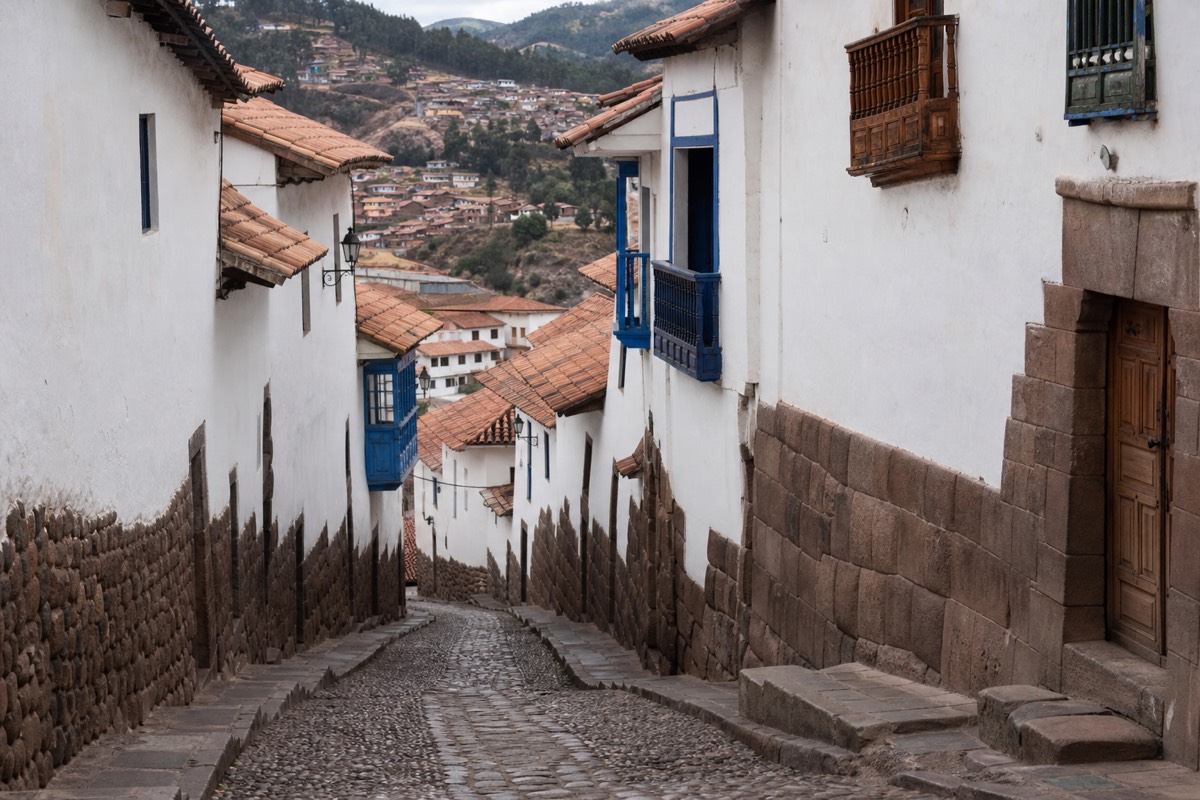
What does $100 actually buy in Peru?
For a budget traveler, $100 can realistically stretch across a full day or more of meals, local transport and a site entry fee; for a mid-range traveler eating at nicer restaurants and taking the occasional taxi, it might cover closer to a single comfortable day. Peru's cost of living sits well below US and Western European levels in most categories, especially street food, local transport and markets, but tourist-facing restaurants, guided activities and anything branded for international visitors close that gap fast. The realistic way to think about $100 in Peru isn't one number, it's a range depending on whether you're eating where locals eat or where the menu is printed in English.
How far does it stretch on food?
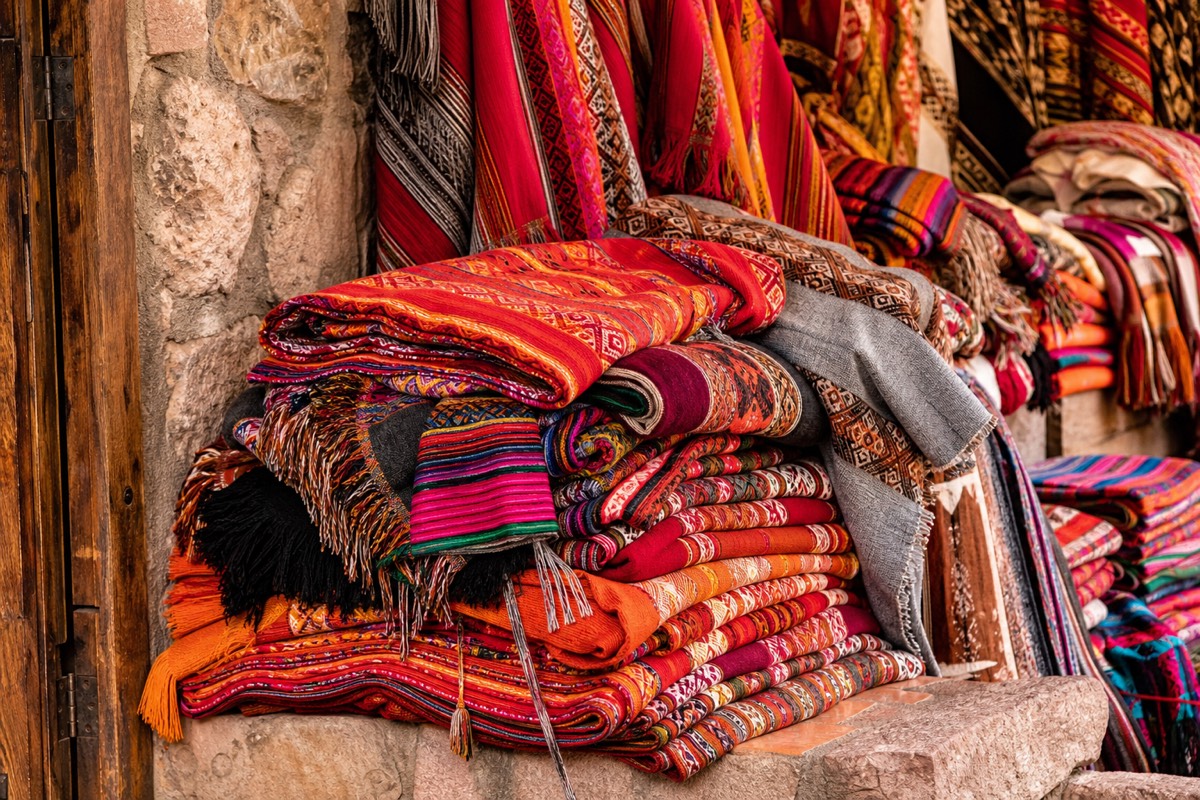
Budget travelers eating at local menú del día spots, small markets and street stalls can often cover several meals within a modest daily food budget, while mid-range travelers choosing sit-down restaurants aimed at tourists will burn through that same budget noticeably faster. A set lunch (menú) at a no-frills local restaurant, typically soup, a main and a drink, tends to sit at the cheap end of what you'll spend on food anywhere in Peru. Market stalls and street food push that even lower. A la carte dining at a restaurant in a tourist zone like Cusco's Plaza de Armas or Lima's Miraflores runs considerably higher per meal, and a proper night out, cocktails included, closer to what you'd expect in a mid-size US or European city.

| Food category | Rough range |
|---|---|
| Local menú del día lunch | Budget travelers might spend around a few dollars |
| Street food / market snack | Budget travelers might spend around a dollar or two |
| Coffee or a beer, casual spot | Budget to mid-range: a few dollars |
| Sit-down restaurant meal, tourist zone | Mid-range travelers might spend considerably more per meal |
Lima specifically sits at the higher end of Peru's food spending range, for good reason: it's a genuinely world-class food city, home to restaurants that have repeatedly placed on the World's 50 Best list, and it's the city where Anthony Bourdain filmed two separate television visits chasing Peru's food scene. Splurging on one memorable Lima meal, even on an otherwise budget-conscious trip, is a reasonable line item to build in deliberately rather than an accident of high prices.
What about transport and getting around?
Local transport is one of the areas where Peru genuinely stretches a travel budget the furthest: city buses and shared taxis (colectivos) within Lima or Cusco tend to cost only a small fraction of what a similar ride would run in most Western cities, and app-based rides in the bigger cities are still comparatively inexpensive. Longer-distance travel, like the well-established route covered in getting from Lima to Cusco, is where costs step up depending on whether you fly or take an overnight bus, with flights costing considerably more than the budget-friendly long-distance bus network. Within a single city, though, a modest daily transport budget goes a genuinely long way for a budget traveler moving around mostly on foot and local transit. A multi-stop pass on a hop-on hop-off network like Peru Hop (check prices here) costs more than a single bare-bones Cruz del Sur or Oltursa seat, but once you add taxis to and from the terminal and separate day tours booked elsewhere, the totals often come out fairly comparable, so it's worth pricing both ways for your specific route rather than assuming the cheapest single ticket automatically wins.
What does a real Peru activity or tour cost, using verified prices?
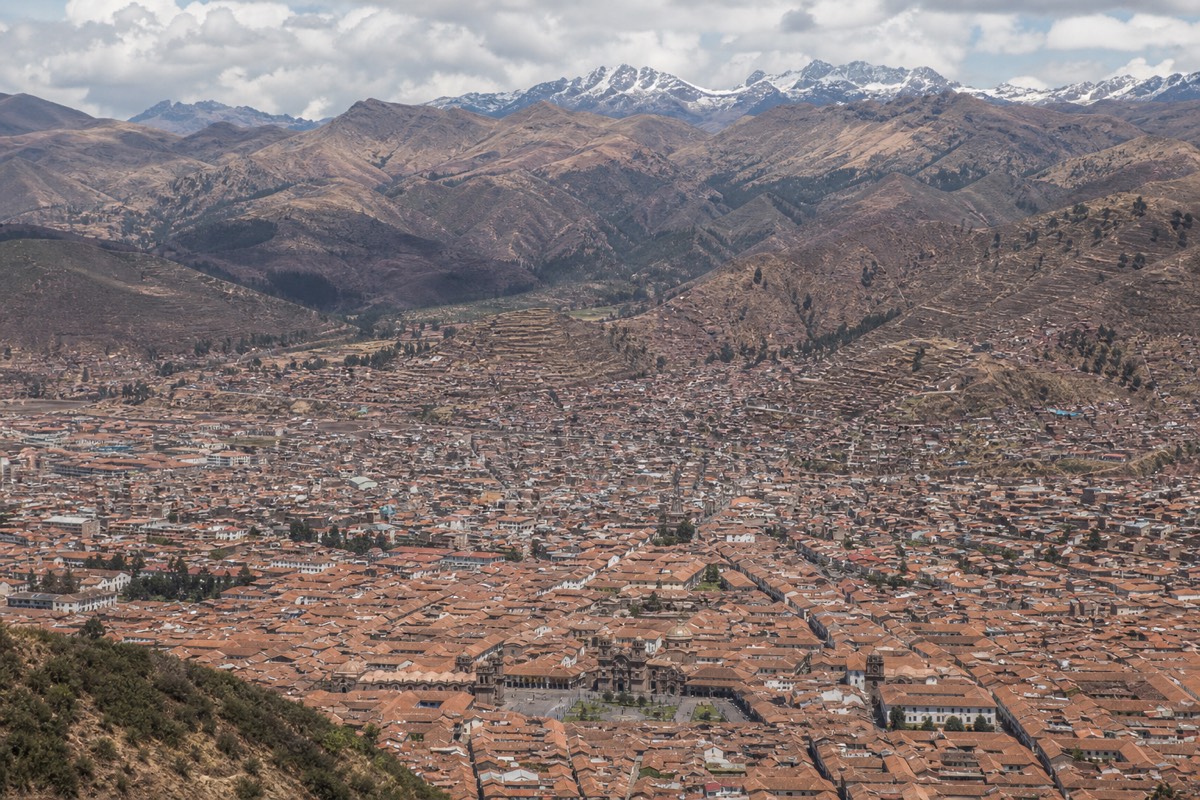
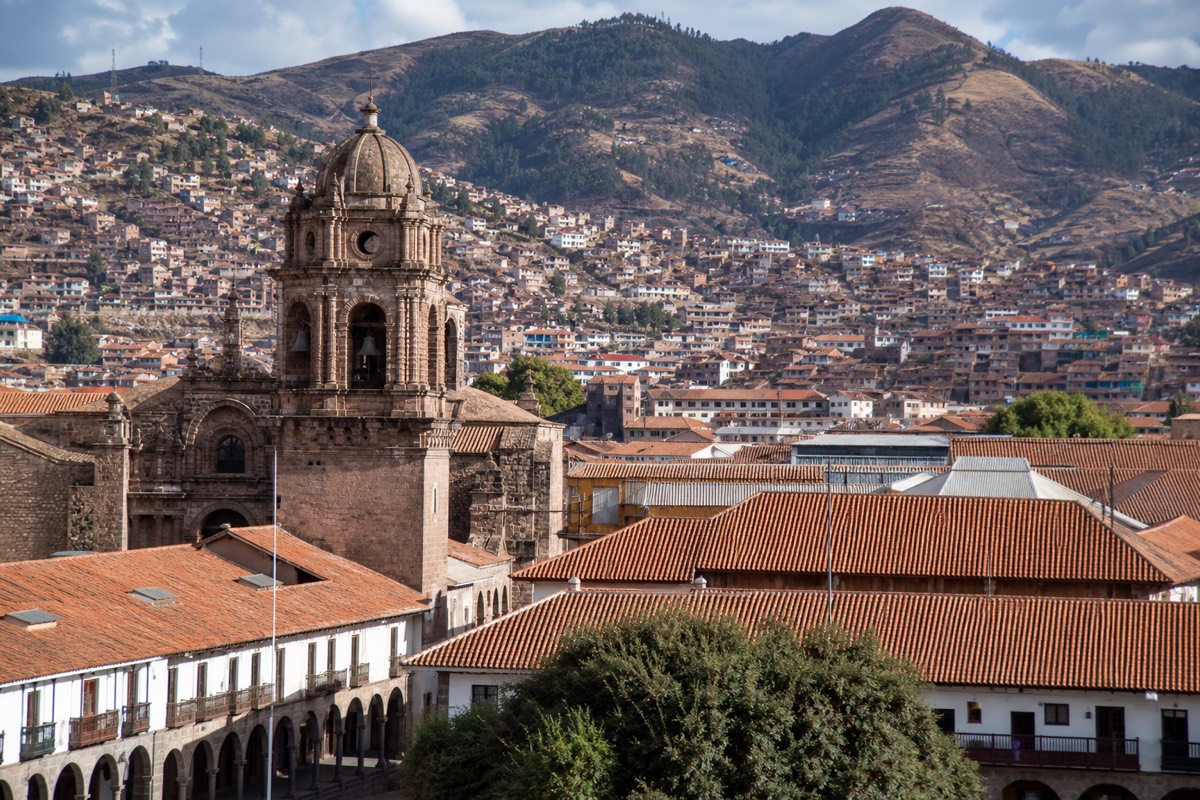
Rather than guess at average activity costs, it's worth grounding this in real, current tour prices: a guided half-day Cusco city tour covering four major ruins runs around $50 per person, and a hands-on Peruvian food tour in Lima, including a ceviche and pisco sour lesson, runs around $115. Those two real examples show how far a $100 budget realistically goes on structured activities: it comfortably covers a half-day guided city tour with money left over for lunch, but it falls just short of a full culinary experience tour, which is worth knowing before you budget your trip day by day rather than being surprised at checkout.
| Real tour | Verified price | What $100 covers |
|---|---|---|
| Cusco half-day city tour (four ruins) | $50 | Comfortably, with room left for a meal after |
| Lima Peruvian food tour (Barranco) | $115 | Just short; budget a little extra beyond $100 |
So what's a realistic daily range, budget vs. mid-range?
A budget traveler eating locally, using public or shared transport and staying in hostels can often keep a full day's spending, food, transport and incidentals combined, within or close to the $100 mark; a mid-range traveler adding sit-down restaurants, private transport and paid activities will typically land noticeably above it once a guided tour or two is factored in. Neither figure is a fixed national average, since prices genuinely vary between Lima, Cusco and smaller towns, and between peak and shoulder travel season. Treat these as planning ranges to sanity-check your own trip budget against, not as precise statistics: your actual spending will move up or down based on how many guided experiences you book, how often you eat somewhere tourist-facing versus local, and which region of the country you're in.

Booking a guided tour ahead of time, rather than negotiating on the spot in a plaza, also tends to give a clearer, more predictable line item for your budget than leaving activities to chance once you're already in the Sacred Valley or Cusco itself.
What's the single biggest lever on your daily budget?
Accommodation choice moves your daily budget more than any other single decision: a hostel dorm bed and a mid-range hotel room in the same city can differ by a wide multiple, and that gap compounds over a two- or three-week trip far more than any other line item. Food is the second-biggest lever, but the swing is smaller in absolute terms, since even tourist-facing restaurant meals in Cusco or Lima remain inexpensive by North American or European standards. Guided tours and treks are largely fixed costs once booked, which actually makes them easier to budget around than the more variable daily spend on lodging and food.
A useful planning habit is separating your budget into two buckets: pre-booked fixed costs (flights, major treks, key entrance tickets) and daily variable spend (food, local transport, incidentals). The fixed bucket is easy to nail down weeks in advance; the variable bucket is where a $100 estimate either holds up or doesn't, and it holds up best when accommodation choice is deliberate rather than an afterthought. Pricing out the fixed bucket first, starting with whichever tours from our guided Peru tour lineup are already on your list, makes the remaining daily-spend math far easier to plan around.
Does tipping affect the budget meaningfully?
Tipping is customary for guided tours and treks in Peru, especially multi-day treks where porters, cooks and guides are doing physically demanding work, and it's worth budgeting for separately rather than assuming it's baked into the tour price. Restaurant tipping is more modest and optional than trek tipping, closer to a rounding-up gesture than a fixed percentage. For a multi-day trek specifically, checking what a specific tour's own listing says about typical tipping expectations, since this varies by operator and trek length, is worth doing before departure rather than guessing on the trail.
Leave room for any gratuities you choose to give; the calculator uses your own totals and does not assume a tip.