Where Did Anthony Bourdain Eat in Peru?
Anthony Bourdain visited Peru twice on television, and the details get exaggerated online more than they need to be. Here's what he actually filmed, and why Lima's real reputation as a food city holds up without any embellishment.
Booking choice: Taste Peruvian dishes with a local guide on a four-hour Barranco walk. Explore Barranco food walk
Affiliate links: we may earn a commission when you book.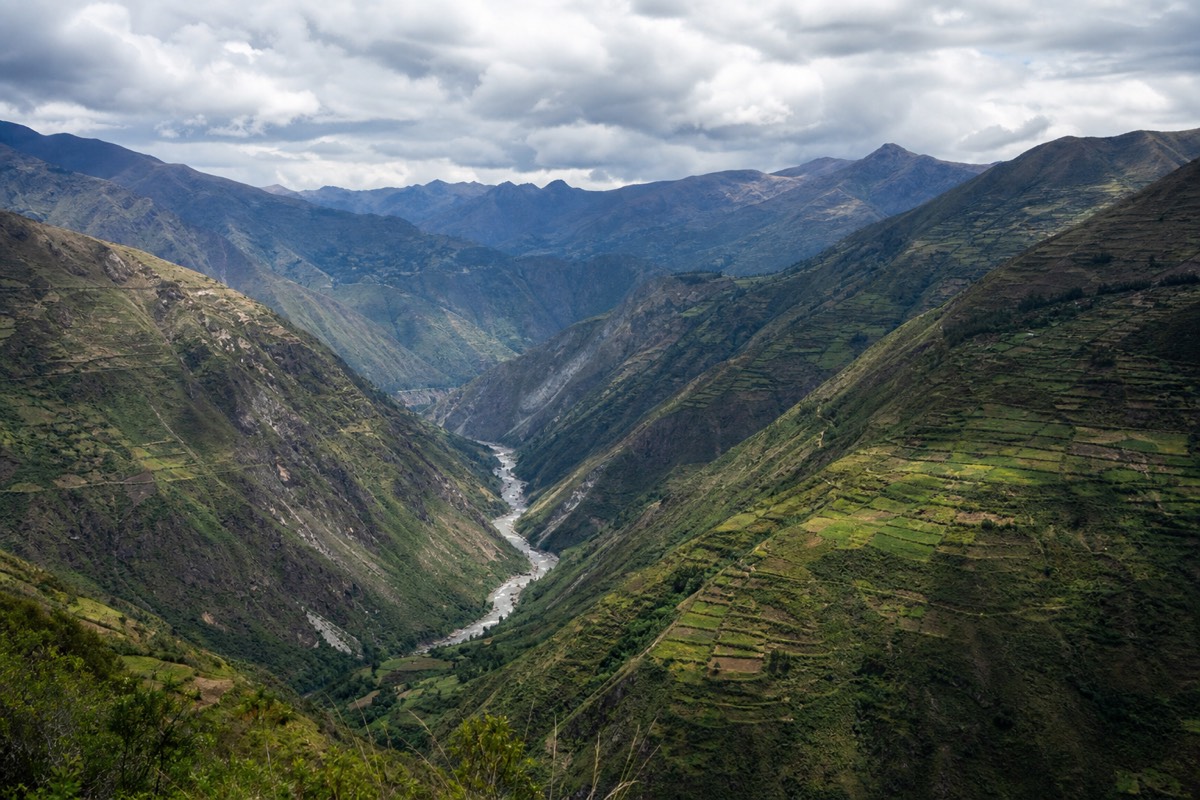
The quick answer
Anthony Bourdain visited Peru twice on television: No Reservations in 2006, and Parts Unknown in 2013, when he traveled with chef Eric Ripert from Lima into the Andes tracing a rare wild cacao variety. Lima's own reputation as a top global food city is real and well established, independent of either episode.
Search around online and you'll find a lot of confident-sounding claims about exactly what Bourdain ate and where, some of it accurate, plenty of it inflated or simply invented in the years since. Here's the version that sticks to what's actually documented.
When did Bourdain actually film in Peru?
Bourdain covered Peru twice, seven years apart, once early in his TV career and once at the height of Parts Unknown's run. Both episodes are real, documented broadcasts, not internet legend.
| Show | Season / Episode | Air date |
|---|---|---|
| No Reservations | Season 2, Episode 3 | April 10, 2006 |
| Parts Unknown | Season 1, Episode 7 | June 2, 2013 |
The seven-year gap between the two episodes is worth sitting with for a moment, because it roughly tracks the years when Lima's food scene went from a well-kept regional secret to an internationally recognized destination in its own right.
What happened on Parts Unknown in 2013?
Bourdain traveled with chef Eric Ripert from Lima up into the Andes, tracing a rare wild cacao variety, a journey that framed Peru's food story around its geography as much as its cities. The episode moved from Lima's coastal food scene into the mountains, using the cacao search as a throughline for exploring the country's range.
Ripert, best known for his own fine-dining background, made an interesting pairing with Bourdain's more streetwise instincts, and the episode is often cited as one of the show's stronger early-season entries specifically because of that contrast. The Andes segment in particular leaned into the idea that Peru's food story doesn't start and end in Lima's restaurants, a theme that's held up well as the country's culinary reputation has broadened since.
This Lima food walk does not retrace the Andes cacao journey or promise stops from the episode.
What about the earlier No Reservations episode in 2006?
The 2006 episode came years before Lima's global food reputation had fully taken hold, capturing Peru's culinary scene at an earlier point in its rise. It's a useful watch for the contrast with the 2013 return, showing how much the country's food profile shifted in the years between the two visits.
Watching the two episodes back to back is genuinely interesting for that reason alone. The 2006 trip reads as an introduction to a cuisine still building its international case; by 2013, that case had largely been made, and the show's focus shifted correspondingly, from "here's what Peruvian food is" toward a more specific, exploratory story about a single rare ingredient.
Why does Lima keep showing up on world's-best restaurant lists?
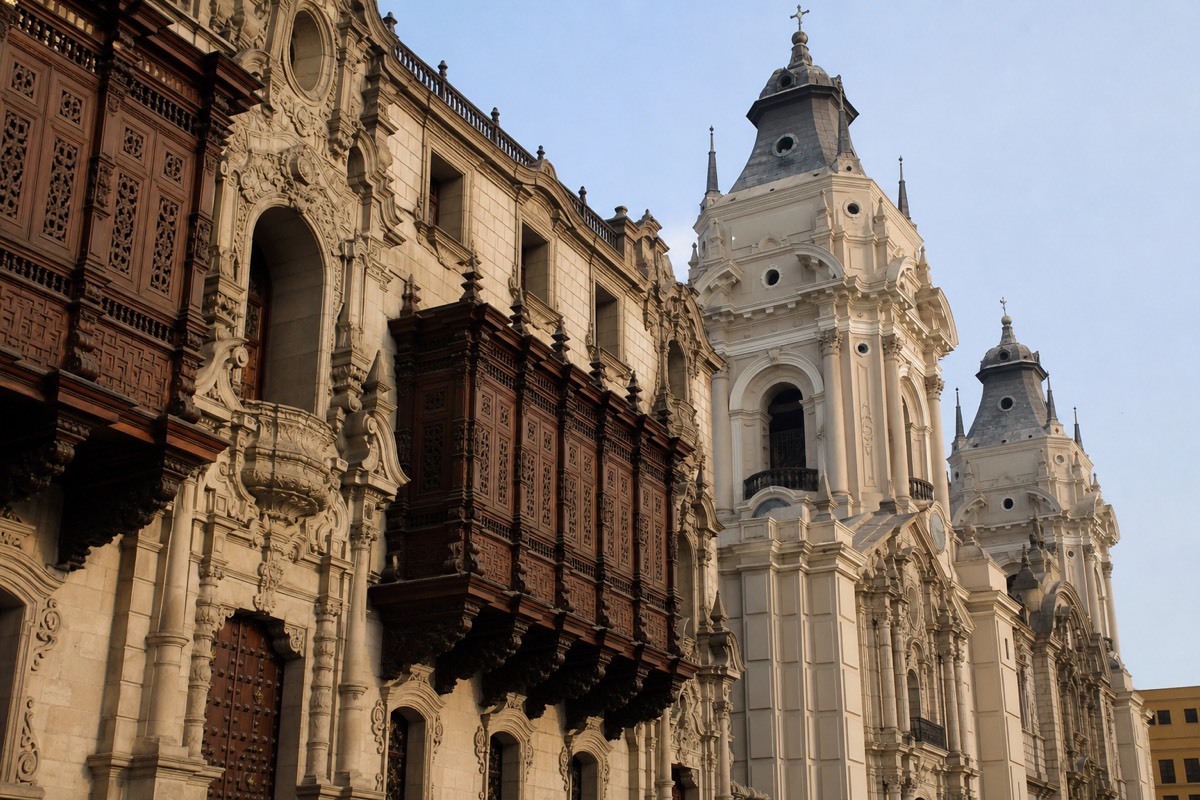
Lima's reputation as a serious global food city is well established independent of any single TV episode: restaurants like Central and Maido have repeatedly ranked among the World's 50 Best Restaurants, a real and ongoing recognition, not a one-off. Bourdain's episodes reflected an already-emerging story rather than creating it.
This is worth separating clearly from the specific claims about what Bourdain ate or where he went scene by scene, details that get inflated in recirculated online summaries. What's solid is the broader picture: Lima built a genuine reputation in global fine dining over the past two decades, and that reputation holds up on its own terms, with or without a TV tie-in attached to it.
What's driving that reputation isn't just a handful of tasting-menu restaurants either. Peruvian cuisine as a whole has been on a broader international upswing for years, built on genuine culinary range: ceviche's citrus-cured seafood, the fusion cooking that grew out of Peru's Japanese immigrant community (often called Nikkei), Andean staples like quinoa and the country's enormous variety of native potatoes, and Amazonian ingredients that barely register outside Peru at all. Central and Maido both draw on this range deliberately, treating Peru's regional biodiversity, coast, mountains, and rainforest, as the actual argument for why the cuisine deserves the attention it's gotten, rather than leaning on novelty alone.
Can you actually eat like this in Lima today?
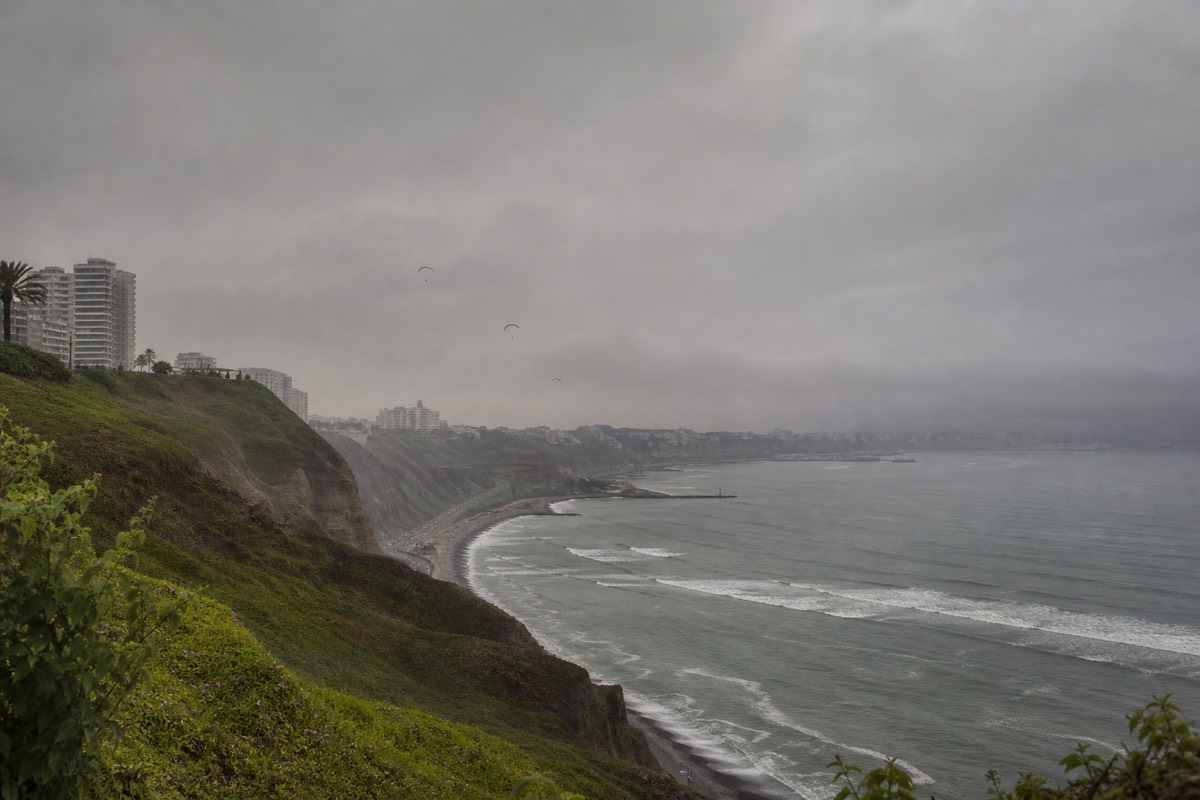
Yes, and you don't need a reservation at a world-ranked restaurant to get a real sense of Lima's food scene; a guided food tour through neighborhoods like Barranco covers a broad range of local flavors in a single outing. The city's strength is depth across price points, not just its handful of headline restaurants.
Our Lima food tour walks through Barranco's restaurants and shops with hands-on ceviche and pisco sour preparation built in, which covers a lot of the same culinary territory Bourdain explored, minus the cacao trek into the Andes. For travelers who want the fuller city context alongside the food, the full Lima highlights tour pairs Plaza de Armas and Barranco's street art with a market stop and lunch in Miraflores.
Neither retraces Bourdain's exact route into the Andes for cacao, which was a distinct, longer journey. But both give a genuine, grounded look at why Lima earned its reputation in the first place, rather than chasing a single TV moment decades after it aired. If anything, that's the more honest way to approach it: the city's food scene has kept evolving well past whatever a 2013 episode captured, and a walking tour through its current restaurants and markets reflects that better than trying to retrace old footsteps.