What Happened at Machu Picchu in 1983?
1983 is when the outside world's protection of Machu Picchu became official, not when the site was discovered or built. Here's what UNESCO actually did that year, and why the designation is unusually rare.
Booking choice: Combine Expedition rail, buses and a guided Machu Picchu visit in one day. Explore Machu Picchu by Expedition train
Affiliate links: we may earn a commission when you book.
The quick answer
In 1983, Machu Picchu, formally listed as the "Historic Sanctuary of Machu Picchu," was inscribed on the UNESCO World Heritage List at the 7th Session of the World Heritage Committee, held in Florence, Italy. It was designated a mixed site, meaning it qualified for World Heritage status on both cultural and natural criteria at once, a combination UNESCO grants rarely.
What actually happened at that 1983 session?
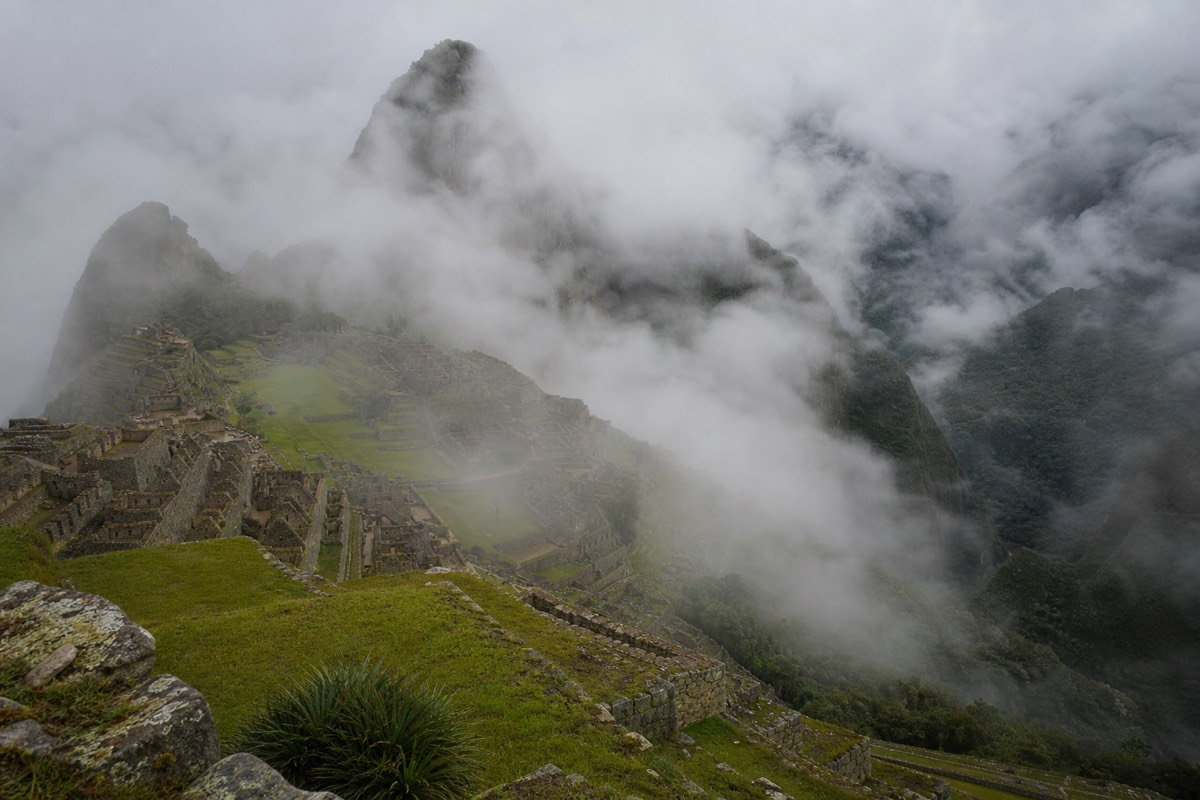
UNESCO's World Heritage Committee meets annually to review nominations from member states and vote on which sites join the World Heritage List. In 1983, meeting in Florence, the committee reviewed Peru's nomination for the Machu Picchu sanctuary and formally inscribed it. That inscription is documented in UNESCO's own official record, entry number 274, viewable at whc.unesco.org/en/list/274.
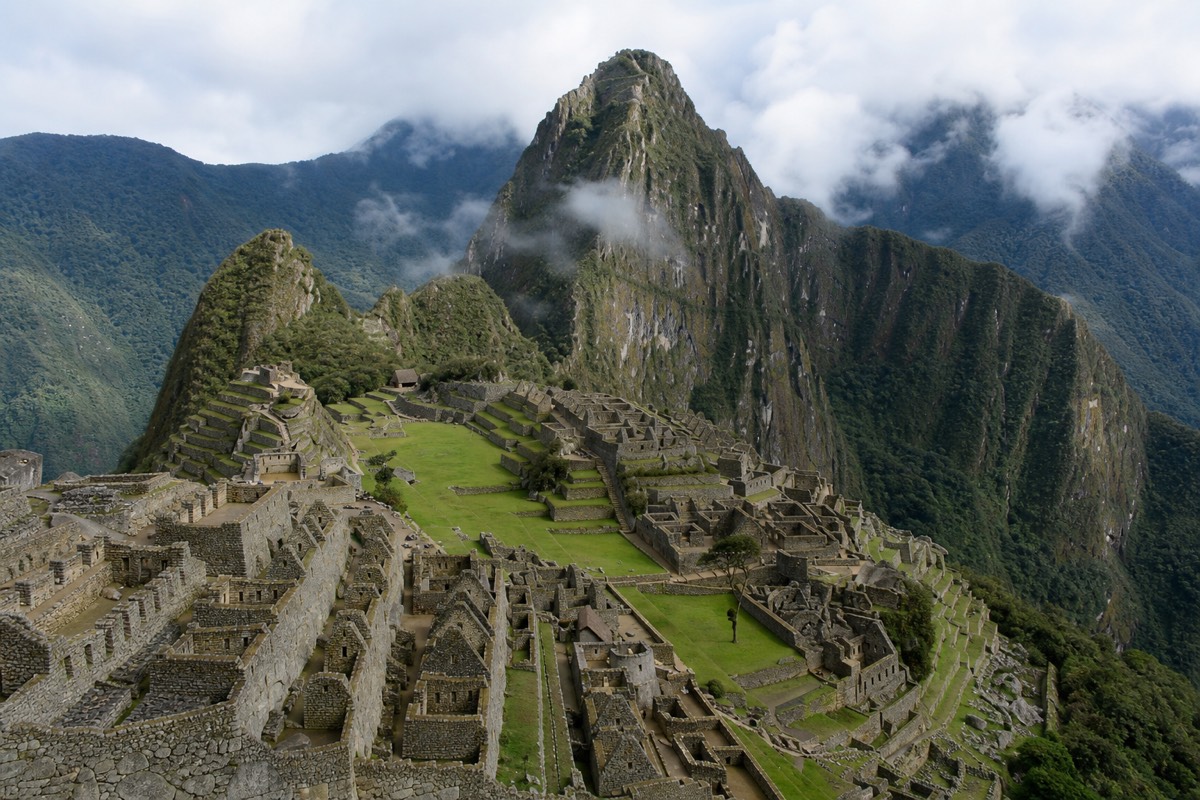
The listing didn't create Machu Picchu or discover it, of course. The citadel was built in the 15th century by the Inca, abandoned not long after the Spanish conquest, and remained largely unknown outside the region until the American historian Hiram Bingham brought it to international attention in 1911. What 1983 established was a formal international framework of recognition and protection, decades after the site was already a known archaeological landmark and years after Peru had already established the surrounding Historic Sanctuary as a protected area domestically.
Why does "mixed site" status matter?
UNESCO's World Heritage List separates sites into cultural, natural, and mixed categories, and mixed status means a site meets the bar for both at the same time, a genuinely uncommon combination granted to only a small fraction of the more than 1,200 sites on the full list. Most heritage sites qualify on one axis, not both.
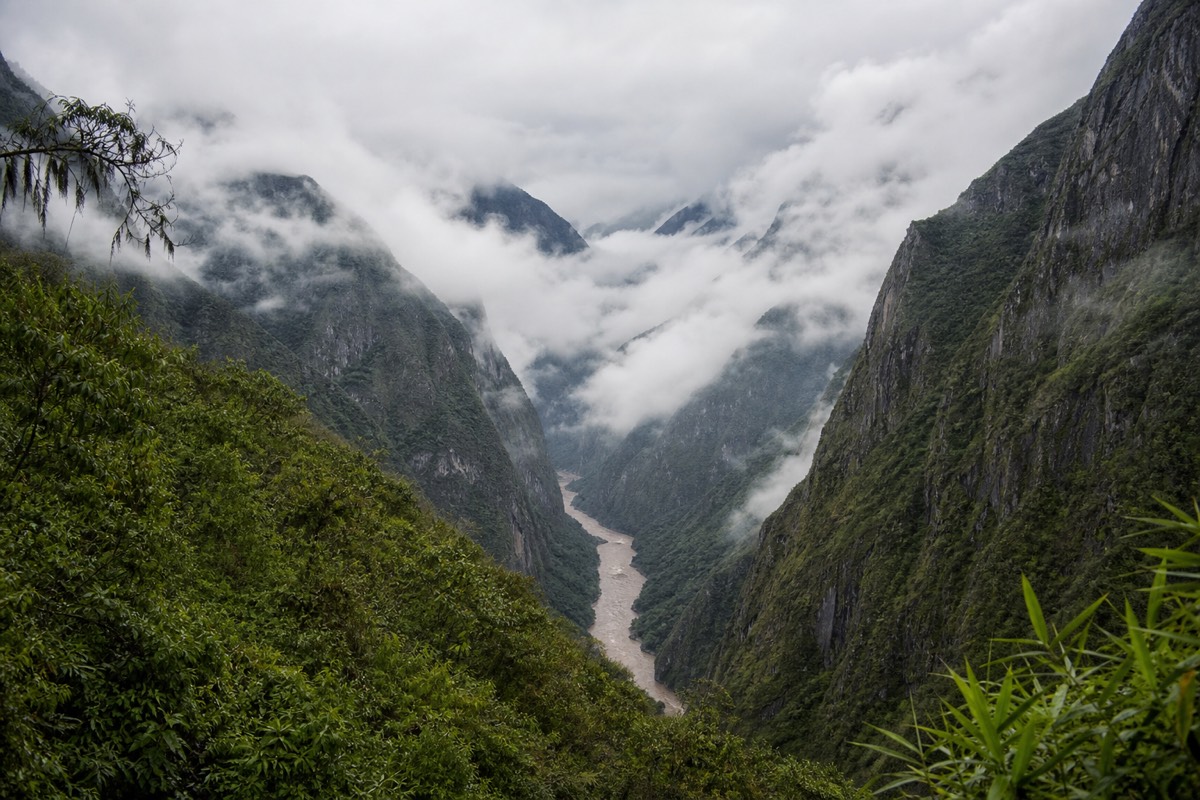
For Machu Picchu, the cultural criteria recognize the Inca citadel itself: the engineering, the urban planning, the religious and residential architecture built into a mountain ridge. The natural criteria recognize the surrounding sanctuary's ecosystem, the cloud forest, the biodiversity of the eastern Andean slopes, and the dramatic topography the site sits within. It's genuinely unusual for the same protected area to earn recognition for both what humans built there and for the landscape itself, which is part of why Machu Picchu is frequently cited as one of the more distinctive entries on the entire World Heritage List. You can cross-check the listing's language on Wikipedia's summary of the Historic Sanctuary designation, which draws on the same UNESCO record.
What protections did the designation bring?
World Heritage status doesn't directly police a site day to day, that's still the job of the national government, in this case Peru's Ministry of Culture and the Cusco regional authorities. What it does is create international visibility and pressure: UNESCO can flag a site as endangered if management or environmental threats worsen, which has real consequences for a country's tourism reputation and funding access. It also formalizes an expectation of conservation planning, part of why entry to the citadel today runs through the tightly managed circuit and ticket system rather than open, unrestricted access.
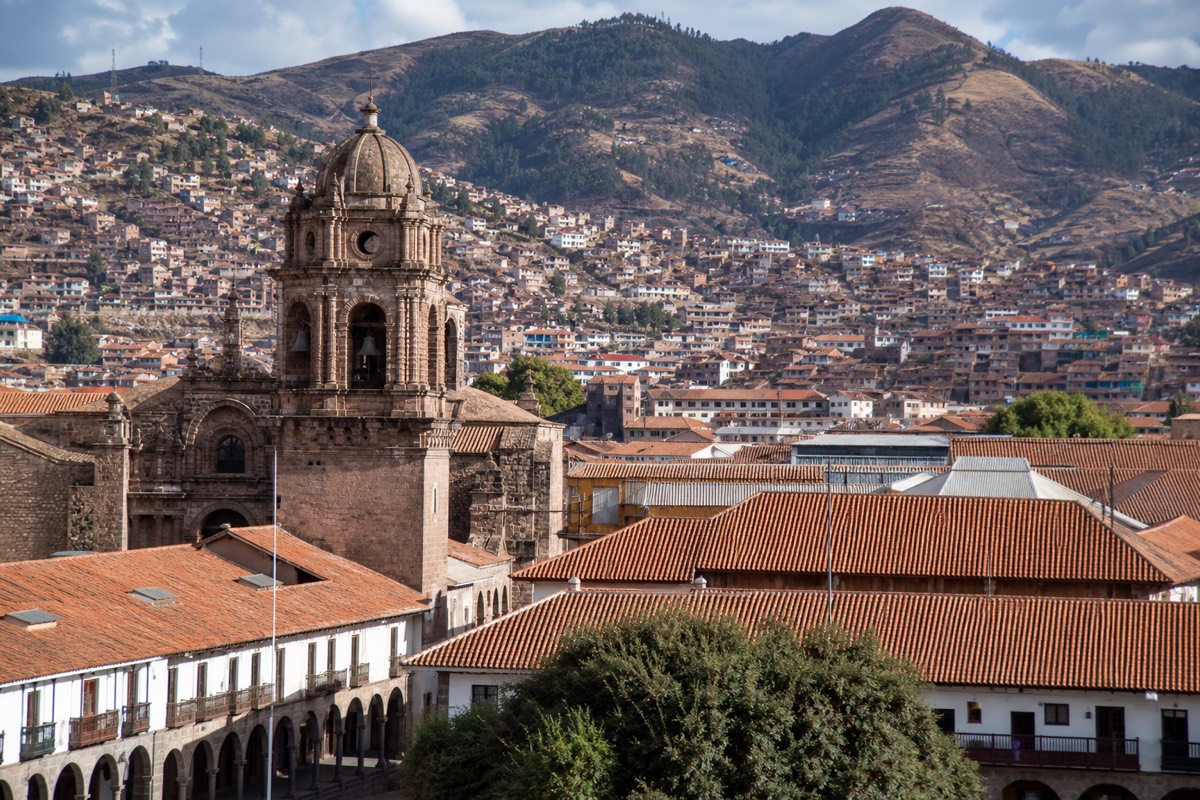
The practical result for a visitor today is a site that's protected on paper by both Peruvian law and an international body, which is part of the reasoning behind rules that can feel bureaucratic in the moment, like fixed entry windows and mandatory guides, but that exist specifically to keep the site intact for the next generation of visitors.
How does Machu Picchu's listing compare to other famous sites?
Most of the world's best-known heritage landmarks hold cultural-only status: the Colosseum, the Taj Mahal, and Angkor Wat, for instance, are all listed for what humans built, not for the natural landscape around them. Mixed sites are a genuinely small category on UNESCO's full list, and pairing an Inca citadel with the biodiversity of its surrounding cloud forest sanctuary puts Machu Picchu in fairly rare company internationally. That dual designation is part of why conservation planning at the site has always had to account for two very different sets of concerns at once, protecting fragile 15th-century stonework on one hand and a living, still-inhabited mountain ecosystem on the other.
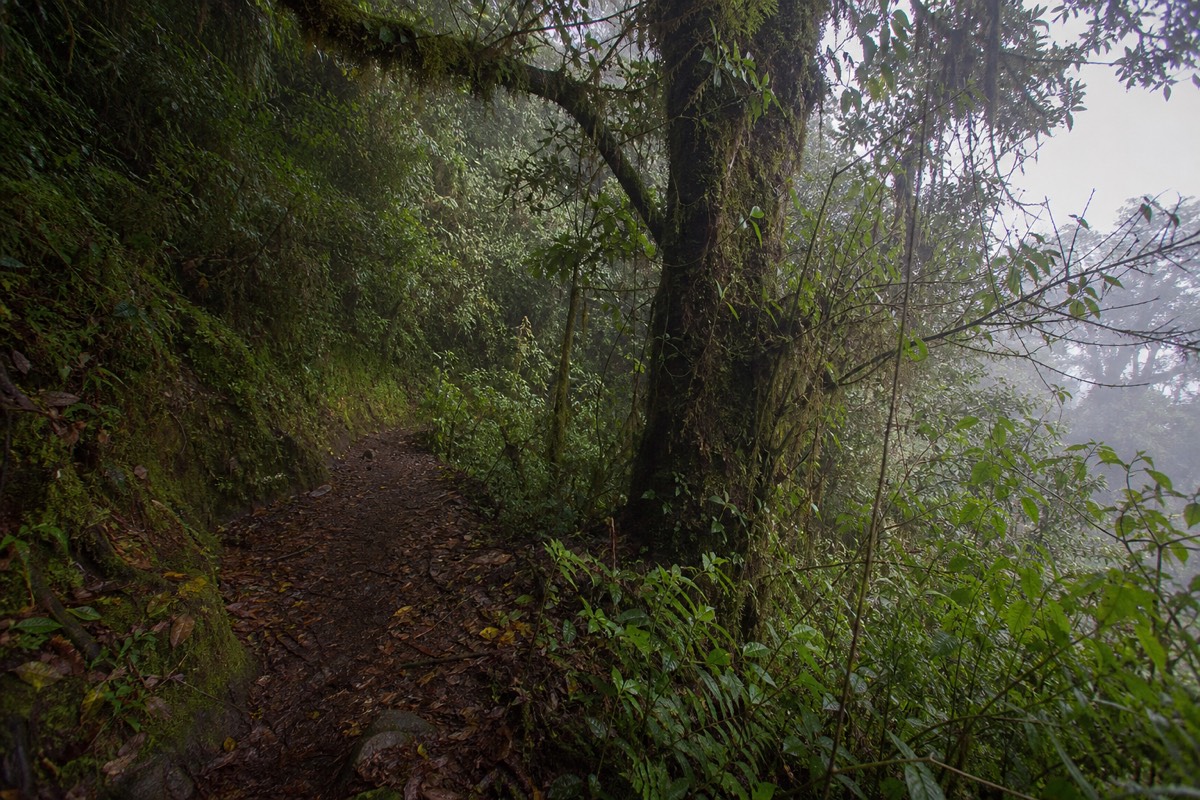
This is also part of the reasoning behind the site's now-famous visitor restrictions. A cultural-only site can, in theory, focus its conservation efforts purely on the built structures. A mixed site has to also manage erosion, vegetation, and wildlife disturbance across the surrounding sanctuary, a broader mandate that shapes decisions like the circuit system covered in the Machu Picchu tickets guide, where entry numbers are capped not just to protect stone terraces but the wider protected area they sit within.
What changed at the site after 1983?
UNESCO inscription didn't trigger an overnight transformation, but it did formalize international attention that grew steadily over the following decades, tourism numbers rose considerably from the 1980s onward, and by the 2000s and 2010s, Machu Picchu had become one of the most visited archaeological sites in the Western Hemisphere. That growth eventually forced the more restrictive entry system in place today: the circuit structure, the mandatory guide requirement introduced in 2019, and the visitor caps that didn't exist when the site was first inscribed.
In a sense, the ticketing bureaucracy that can feel like a hurdle for a modern visitor is a direct, if indirect, consequence of the 1983 listing: international recognition drew more visitors, and more visitors eventually required more structure to keep the site standing for the next generation. Anyone curious about how that structure actually works today can see the full breakdown in the circuit and ticketing guide, and the ownership history behind who's actually responsible for that stewardship is covered separately in who owns Machu Picchu now. For travelers turning this history lesson into an actual trip, this site's guided Peru tours route directly to the sanctuary the 1983 listing protects.