Should You Bring Toilet Paper to Peru?
Yes. Carry a small roll or a packet of tissues in your day bag the entire time you're in Peru, and you'll solve more small travel headaches than almost any other single item you pack.
Booking choice: Walk the classic Inca Trail with camping, a group-only portable toilet and personal porter allowance. Explore Four-day Inca Trail with camp toilet
Affiliate links: we may earn a commission when you book.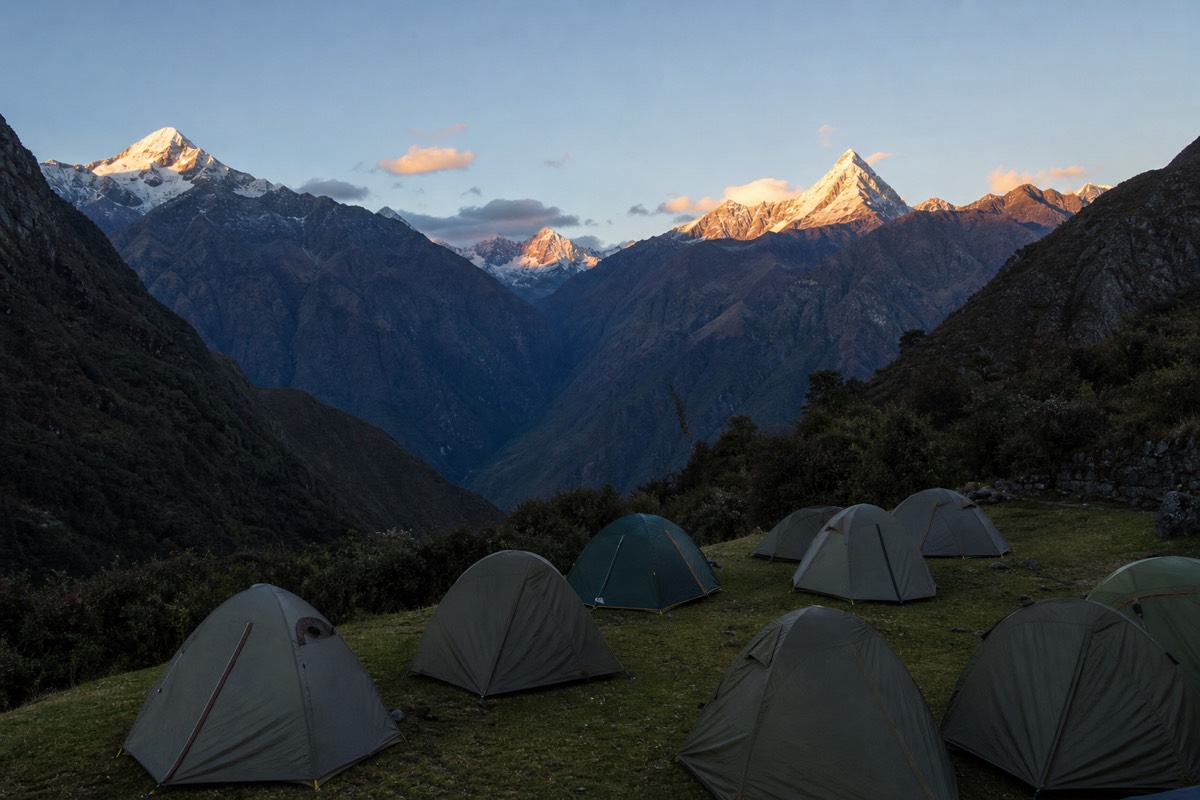
Do you actually need to bring your own toilet paper to Peru?
Yes. Public restrooms, rural bathrooms, and many budget accommodations across Peru frequently don't stock toilet paper, so a small roll or a travel pack of tissues kept in your day bag is one of the simplest, most useful things to carry. This isn't unique to Peru, it's a common reality across much of Latin America, but it catches first-time visitors off guard often enough that it's the single most-asked practical question about traveling here. Hotels and nicer restaurants almost always supply it. Bus stations, public markets, some rural stops and basic guesthouses often don't, or run out and don't restock right away.
Carrying tissues and hand sanitizer is an independent travel preparation; no tour purchase is needed.
Why don't more bathrooms just supply it?
It comes down to plumbing capacity and maintenance costs more than anything else, and it's a pattern travelers see across much of the region, not something specific to Peru. Many older buildings, smaller municipal systems and rural infrastructure weren't built with the pipe diameter or water pressure to reliably handle paper going down the drain, and a clogged pipe in a public restroom is expensive and disruptive to fix. Stocking a public bathroom also costs money that keeps disappearing if there's no attendant managing it, which is part of why some public restrooms in bus terminals and markets charge a small entry fee, often a sol or two, sometimes with a few squares of paper handed out at the door as part of that fee.
A tour does not change how public bathrooms are stocked.
What's the used-paper-in-a-bin rule about?
In a genuinely large share of Peruvian bathrooms, especially outside upscale hotels, you're expected to put used toilet paper in a small wastebasket next to the toilet rather than flush it, and this is worth knowing before you're standing there confused. It's the same plumbing-capacity issue driving the lack of supplied paper in the first place: older or smaller-diameter pipes clog easily, and a bin next to the toilet is the practical workaround. Look for a small lidded or open bin near the toilet before you use it. If there's a sign in Spanish asking you not to flush paper ("no tire papel al inodoro" or similar), take it seriously, since a clogged pipe in a rural guesthouse or trailside stop is a genuinely bigger problem than it would be at home. Nicer hotels and modern restaurants with updated plumbing are the exception, and flushing is normal there.
Use the bin where instructed; an operator booking does not alter local plumbing.
What about trekking, specifically the Inca Trail?
On multi-day treks like the classic 4-day Inca Trail or the 5-day Salkantay trek, bringing your own supply stops being a nice-to-have and becomes essential, since campsite bathroom facilities are basic by design and can run out fast with a full group moving through. Trekking operators provide toilet facilities at organized campsites, but they're typically simple long-drop or basic flush setups shared by everyone on that night's group, not stocked and restocked the way a hotel bathroom is. Pack more than you think you'll need, in a ziplock bag to keep it dry given Andean weather swings, and treat it the same way you'd treat any other essential trekking supply: something you check before you leave Cusco, not something you assume will be there. For the exact bathroom setup you'll encounter along the trail itself, see Inca Trail bathroom logistics.
What's the simplest way to handle this while traveling?
Keep a small roll or a compact pack of travel tissues in whatever bag you carry daily, refill it whenever you pass a pharmacy or convenience store, and treat it the same category of habit as carrying hand sanitizer. It costs almost nothing, weighs almost nothing, and it's the difference between a minor inconvenience and a genuinely bad five minutes in a rural bus station bathroom. This applies everywhere on a typical Peru itinerary, not just trekking routes: Lima's public spaces, Cusco's markets, stops along the Lima-to-Cusco route, and anywhere off the main hotel-and-restaurant circuit. It's a small, unglamorous packing detail, but it's consistently one of the most searched practical questions about visiting Peru for a reason: it's genuinely useful to know before you go, not after.
Why don't public bathrooms in Peru supply it by default?
It comes down to plumbing and cost more than anything else: older sewage systems across much of Latin America, Peru included, aren't built to handle paper waste, so used toilet paper typically goes in a small bin next to the toilet rather than into the bowl, and many public facilities skip supplying it altogether to control cost and litter. This isn't unique to Peru, it's a pattern across much of the region, but it catches first-time visitors off guard specifically because it's such a basic assumption to have gotten wrong. A small waste bin next to the toilet, rather than a flush-everything setup, is the visual cue that you're in this kind of system, and it's worth glancing for on arrival at any bathroom, public or private.
Public bathroom supplies remain variable, even on an organized trip.
Where does this matter most on a typical trip?
It matters most in exactly the places you'd expect: rural bus stations, roadside stops between cities, public restrooms in markets, and trekking campsite facilities on routes like the Inca Trail or Salkantay, where infrastructure is more basic than a hotel bathroom. Hotels, well-reviewed restaurants, and most tour-operator facilities do supply it as standard, so the gap is really about the spaces between those points, not the destinations themselves. Packing a small travel-size roll or a pack of tissues in a day bag covers the gap without adding meaningful weight or bulk to your luggage.
If you're gearing up for a multi-day trek specifically, this is one detail among several worth reviewing in our full Peru packing list, alongside the broader realities of trailside facilities covered in where you actually go to the bathroom on the Inca Trail. It's a small thing, but it's exactly the kind of practical detail worth sorting out before you book any of our guided Peru tours, not after you're already on the trail wishing you had.