Where Do You Go to the Bathroom on the Inca Trail?
It's a practical question every Inca Trail trekker eventually asks and few tour pages actually answer. Here is what the facilities are really like at camp, on the trail between camps, and what to pack accordingly.
Booking choice: Walk the classic Inca Trail with camping, a group-only portable toilet and personal porter allowance. Explore Four-day Inca Trail with camp toilet
Affiliate links: we may earn a commission when you book.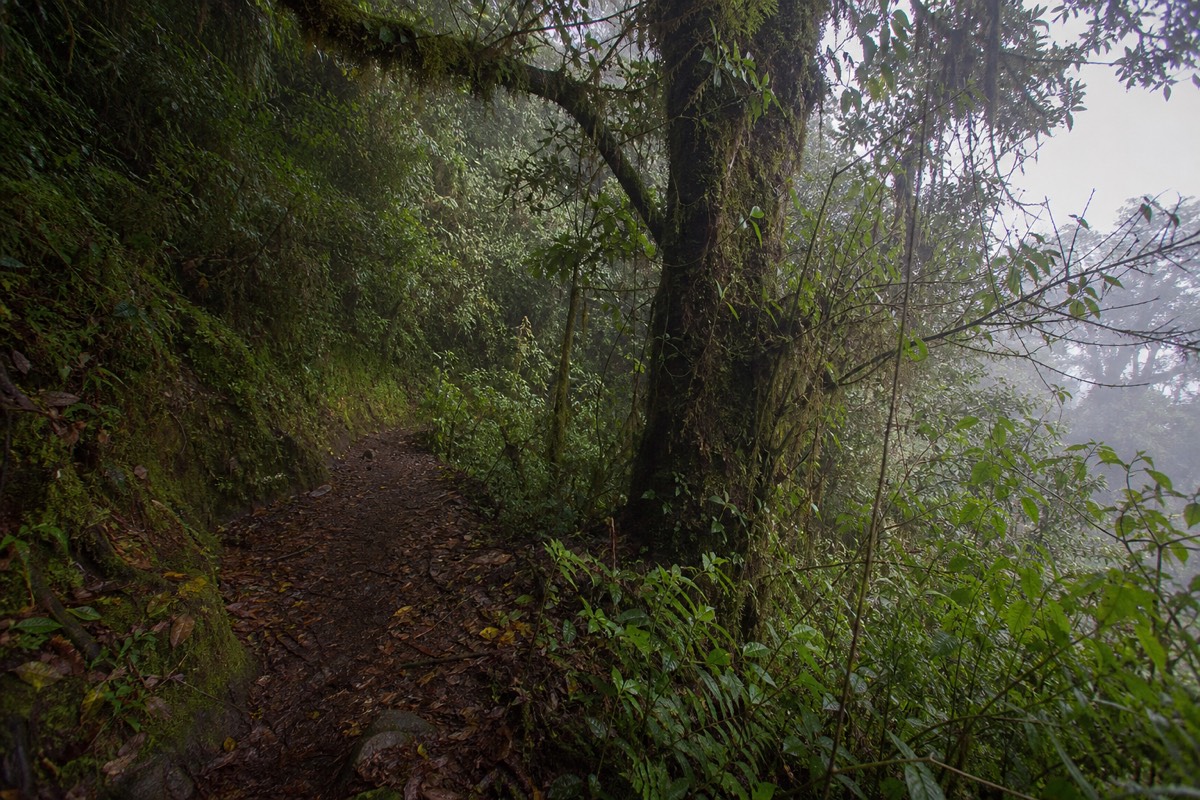
The quick answer
Designated Inca Trail campsites have basic squat-toilet facilities, real but rustic, and you should bring your own toilet paper and hand sanitizer. Between campsites, on the trail itself, there are no facilities, so trekkers step off-trail to a discreet spot, following Leave No Trace practices.
It's a fair question to ask before you commit to four days of trekking, and one that most tour pages gloss over in favor of the scenery photos. Here's the practical version.
What's actually at the campsites?
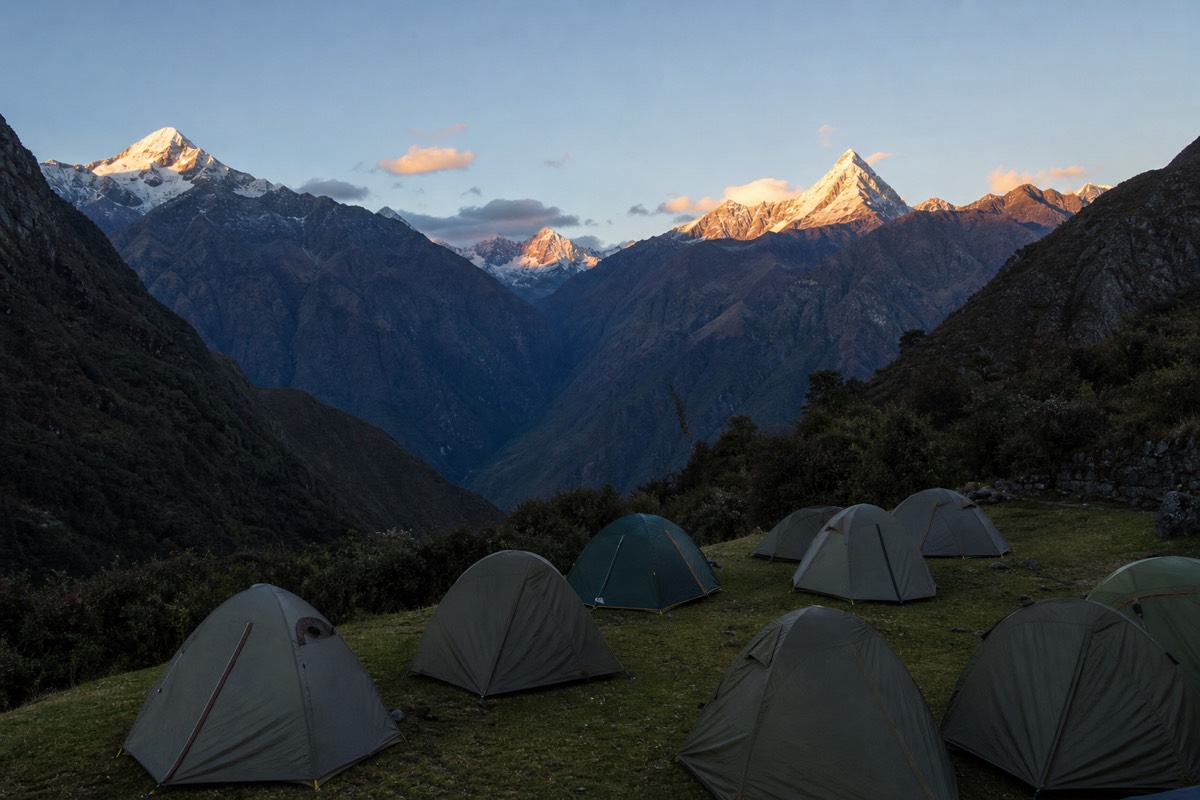
The regulated campsites along the classic 4-day Inca Trail have shared squat-toilet blocks, simple structures that get the job done but shouldn't be confused with anything resembling a hotel bathroom. They're functional, not comfortable, and they're maintained to varying standards depending on how recently a group has passed through and how many trekkers are camped there that night.
Toilet paper and running water are not guaranteed to be stocked, which is why packing your own is standard advice rather than an overcautious suggestion. Expect a line at peak times, particularly in the morning when most groups are breaking camp around the same window. A typical facility is a simple concrete or block structure with a squat basin, sometimes with a door that latches, sometimes not; don't expect soap or paper towels, and treat hand sanitizer as your actual hand-washing solution rather than relying on a working sink. This connects directly to a broader habit worth building before any Peru trip: our guide on bringing toilet paper in Peru generally covers why it's worth carrying your own well beyond just the trek.
What happens between campsites, on the trail itself?
There are no facilities on the trail between camps, so trekkers step a discreet distance off the path and use Leave No Trace practices: burying waste, packing out toilet paper, and staying well clear of water sources. This is standard practice on multi-day treks worldwide, not something specific to the Inca Trail.
Guides on regulated treks are generally good about calling reasonable rest stops where this is manageable, and groups naturally develop an unspoken etiquette around giving each other space and privacy along the trail. On a trek where you're walking for several hours between checkpoints, this becomes a normal, low-drama part of the day rather than the awkward ordeal first-timers sometimes brace for.
A camp toilet does not provide facilities between campsites. Carry personal supplies and follow your guide’s waste instructions.
Do porters carry a private toilet tent?
On some higher-end operator treks, yes, porters carry a dedicated portable toilet tent as part of the camp setup, a genuine amenity upgrade over relying solely on the shared campsite facilities. It's worth asking your specific operator directly what's included, since this varies trek to trek rather than being a universal standard.
The 4-day Inca Trail trek we work with includes porters, a chef, and full camping gear as standard, which reflects the level of support built into a well-run operation generally, though specific amenities like a private toilet tent are worth confirming directly rather than assuming. The same logic applies to the 5-day Salkantay Trek, which covers more ground and more nights, and where amenity differences between operators matter even more over a longer trip.
If a private toilet tent matters to you, it's a reasonable question to put directly to whichever operator you're comparing before booking, the same way you'd ask about tent quality or meal variety. It's a genuine point of differentiation between budget and higher-end trekking packages, and operators are generally upfront about what's included once asked.
Is the Salkantay Trek any different in this regard?
The general pattern on Salkantay mirrors the Inca Trail: basic facilities at established camps, nothing on the trail between them, though Salkantay's route covers more remote terrain and more nights, which makes carrying your own supplies matter just as much, if not more. The route passes through a wider range of terrain, from high mountain passes down into cloud forest, and campsite infrastructure can vary a bit more across the different stops as a result.
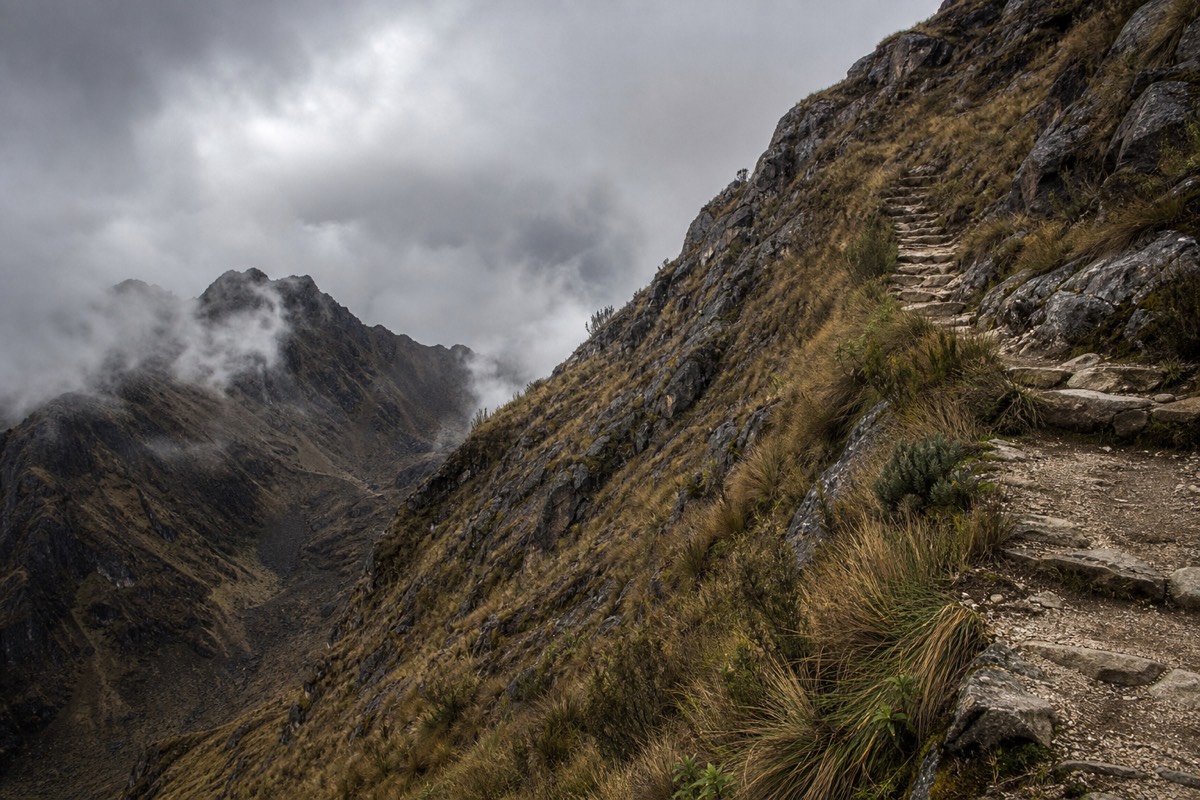
Because the 5-day Salkantay Trek spends an extra night on the trail compared with the classic 4-day Inca Trail, the same hygiene kit gets used more often, which is reason enough to pack slightly more hand sanitizer and wet wipes than you think you'll need rather than cutting it close.
What should you actually pack?
Hand sanitizer, wet wipes, your own toilet paper, and a small trowel if you expect to need to go off-trail are the practical basics worth having in your daypack, not buried at the bottom of your main bag. None of this is exotic gear; it's the same kit seasoned trekkers carry on multi-day hikes anywhere in the world.
- Toilet paper, packed in a way that stays dry (a small zip bag works)
- Hand sanitizer, since running water isn't guaranteed at every stop
- Wet wipes, useful well beyond just bathroom stops on a multi-day trek
- A small trowel, if you're prepared to bury waste off-trail per Leave No Trace practice
- A small ziplock bag to pack out used toilet paper where burying isn't appropriate, particularly near camps or water sources
Keep this kit accessible in your daypack rather than in gear carried by porters, since you'll want it available on short notice during the day's walking, not just at camp. It's a small addition to your packing list, but it's the kind of detail that makes the difference between a minor inconvenience and a genuinely stressful moment on the trail.
Is this worse than people expect?
Most trekkers report it's more manageable than they braced for; the campsite facilities, while basic, are a real and predictable fixture of the route, not an occasional lucky find. The trail is walked by thousands of travelers a year, and the logistics around this, however unglamorous, are well established by the operators who run it.
It's a small, practical piece of prep among many others for a multi-day trek, and one that's easy to sort out with the packing list above rather than something to lose sleep over beforehand. The altitude, the early mornings, and the physical demands of the trail itself tend to occupy far more of trekkers' actual attention once they're out there, which is usually a relief to hear in advance.